

If you have ever felt stuck and unmotivated you are not alone. Our brains rely on dopamine which is the ‘feel good’ hormone in our bodies. This hormone fuels motivation, drive and pleasure but in today’s world of constant notifications and ultra processed foods it is easy to burn out our natural reward system and start using the fake dopamine spikes that we get from today’s things. The good news is that you can boost dopamine naturally without relying on sugar rushes, social media highs or caffeine overload. Here is how to get back your motivation and happiness in a way that lasts.
What is dopamine and why does it matter?
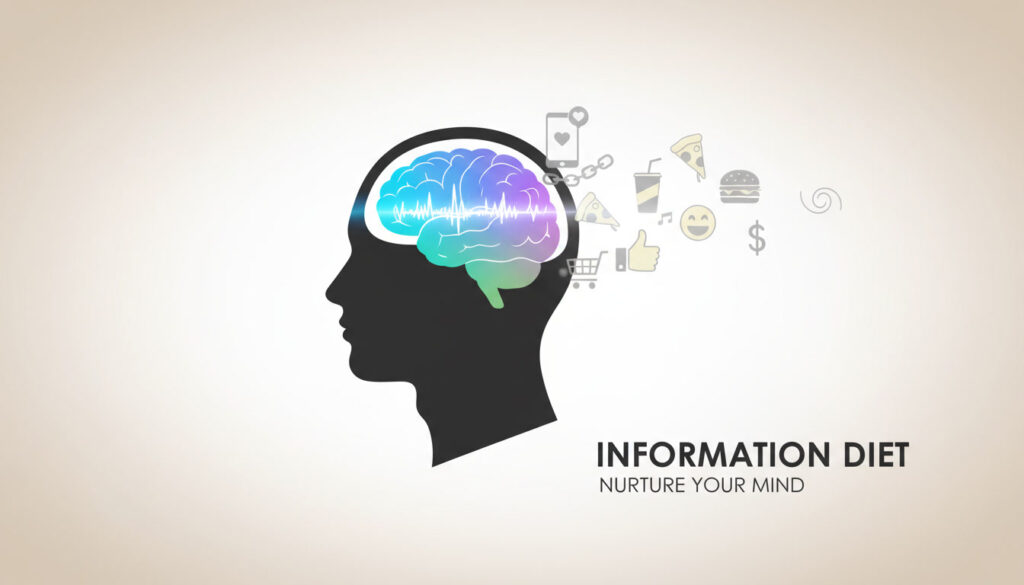
Dopamine is a neurotransmitter which means that it carries signals between brain cells. It is crucial for motivation, focus and the feeling of success. When you finish a project, complete a workout or achieve a goal dopamine gives you that little rush which gives you the feeling of success. The problem starts when we chase quick dopamine spikes like scrolling on social media and eating junk food with a lot of processed sugars in it instead of steady healthy releases. Over time these spikes can dull you receptors leaving you unmotivated an unhappy. Think of it like a credit card for example, you are just borrowing joy from the future instead of earning it.
How to build a natural dopamine baseline
The key to unlocking consistent motivation is to help your brain produce dopamine sustainably. Let’s break it down in to science backed strategies so you can benefit from this too:
1: Move your body at least 1 hour per day
Exercise is one of the most effective natural dopamine boosters. A 2021 study in a Neuroscience & Biobehavioral Reviews found regular activity increases dopamine receptors to produce dopamine. You do not need to run marathons because even a small walk of 60 minutes can make a big difference.
2: Prioritize protein
Dopamine is made from an acid which you can find in protein which you will get from healthy protein rich foods like eggs, meat, fish, beans and nuts. If you add these to your nutrition you will notice a big difference in how you feel.
3: Sleep at least 7 hours per day
A lack of sleep reduces the dopamine receptor sensitivity which makes you feel flat and unfocused. Aim for at least 7 hours per night with consistent quality sleep. Keep your phone out of the bedroom if you can because blue light disrupt melatonin and indirectly messes with the produce of dopamine in your body.
4: Cold showers
Cold exposure like a cold shower can increase dopamine levels by up to 250% for hours according to research published in Medical Hypotheses. This is not just about punishing yourself but about activating your body’s natural wake up pathways. Start with 20 seconds of cool water at the end of your shower to get the benefits of this.
5: Practice deep focus and delayed gratification
When you work deeply on a task like writing, coding, painting or practicing an instrument your brain rewards you with gradual dopamine release. This strengthens your long term motivation and you can train this with tools which help you to focus. Training your brain to release dopamine only after a real success helps to get back your focus and you will be able to accomplish a lot more things then when you are ‘addicted’ to quick dopamine spikes.

Expert insight: Why slow dopamine wins
Dr. Anna Lembke is the author of Dopamine Nation and she explains that our modern environmen floods us with pleasure hits at levels which are not natural. Her advice is that you have to seek out balance. The same system that produces please also processes pain so by allowing for small doses of discomfort you build up resilience and steady motivation.
This means habits like regular exercise, mindful eating and setting boundaries with digital media are not just a tip for a healthier lifestyle but they are a way to rewire your reward system.
Final thoughts
To summarize all what we spoke about:
- Exercise every day, at least one hour. This is very important because this works on your delayed gratification system
- Quick fixes like sugar and social media give short term highs but long term crashes
- Building natural habits rewires your brain for focus, motivation and happiness
By choosing slow sustainable dopamine habits over quick fixes you are not just boosting your mood today but you are investing in a motivated version of yourself in the future.




You must be logged in to post a comment.