
You finish lunch and suddenly your eyelids feel like they weigh ten pounds. Your brain goes foggy. All you want is a nap, but you’ve got three hours of work ahead. Sound familiar?
That crash after eating isn’t laziness or lack of willpower. Your body is responding to a complex chain of events triggered by the food you just ate. The good news: once you understand what’s happening, you can adjust your meals to stay energized instead of fighting to keep your eyes open.
Let’s look at why food makes you tired and what you can actually do about it.
The Short Version
The short answer: When you eat, your body redirects blood to your digestive system and releases hormones that promote relaxation. Large meals, especially those high in refined carbs and sugar, cause bigger insulin spikes and more dramatic energy crashes. Smaller, balanced meals with protein, fiber, and healthy fats keep your energy steadier throughout the day.
What Actually Happens When You Eat
The moment food hits your stomach, your body kicks into digestion mode. Blood flow increases to your gut to help break down and absorb nutrients. That means slightly less blood flowing to your brain and muscles, which can make you feel sluggish.
But that’s just the mechanical part. The real culprit is hormonal. When you eat carbohydrates, your blood sugar rises. Your pancreas releases insulin to shuttle that sugar into your cells. Insulin also helps tryptophan cross into your brain, where it converts to serotonin and eventually melatonin, the same hormone that makes you sleepy at night.
A 2020 study from the Scripps Research Institute found that this insulin response directly affects neurons that regulate wakefulness. Researchers observed that higher insulin levels correlate with increased drowsiness, especially within 30 to 90 minutes after eating.

The Blood Sugar Rollercoaster
Here’s where meal composition matters. When you eat refined carbs like white bread, pasta, or sugary snacks, your blood sugar spikes fast. Your body responds with a big insulin release. That insulin drives your blood sugar down quickly, sometimes overshooting into a minor low. That dip is what feels like a crash.
Protein and fat slow this process down. They take longer to digest, so glucose enters your bloodstream gradually. Fiber does the same thing. A meal balanced with all three nutrients keeps your blood sugar steadier and your energy more consistent.
Why Some Meals Hit Harder Than Others
Not all post-meal fatigue is created equal. The size and composition of your meal make a massive difference.
Large meals require more digestive effort. Your body has to produce more stomach acid, more digestive enzymes, and direct more blood flow to your gut. That’s why Thanksgiving dinner knocks you out harder than a normal lunch. Volume matters.
Meals heavy in simple carbohydrates trigger the biggest crashes. Think pasta with marinara sauce, a sandwich on white bread, or a bowl of cereal. These spike your blood sugar fast, flood your system with insulin, and leave you in an energy deficit an hour later. A study from the University of Sydney found that high glycemic index meals increased self-reported fatigue by 26% compared to low glycemic alternatives.
High glycemic index meals increased self-reported fatigue by 26% compared to low glycemic alternatives.
Meals with adequate protein seem to counteract some of this effect. Protein stimulates the release of orexin, a neurotransmitter that promotes wakefulness. That’s partly why a chicken salad with nuts leaves you feeling better than a plate of plain pasta, even if the calories are similar.
The Hidden Role of Food Intolerances
Sometimes the fatigue isn’t about blood sugar at all. If you consistently feel exhausted after eating specific foods, you might have a mild intolerance. Gluten, dairy, and high FODMAP foods can trigger inflammation and digestive stress in sensitive people, leading to brain fog and exhaustion.
This isn’t the same as an allergy. It’s subtler. But if you notice a pattern, it’s worth experimenting with elimination. Cut out the suspect food for two weeks and see if you feel different.
How to Eat Without Crashing
The fix isn’t to stop eating or switch to some extreme diet. It’s about making your meals work with your body instead of against it.
Start by balancing your macros. Every meal should include protein, healthy fat, and fiber. That might look like grilled chicken with quinoa and roasted vegetables, or Greek yogurt with berries and almonds. The protein and fat slow digestion, the fiber stabilizes blood sugar, and you avoid the insulin spike that leads to crashes.
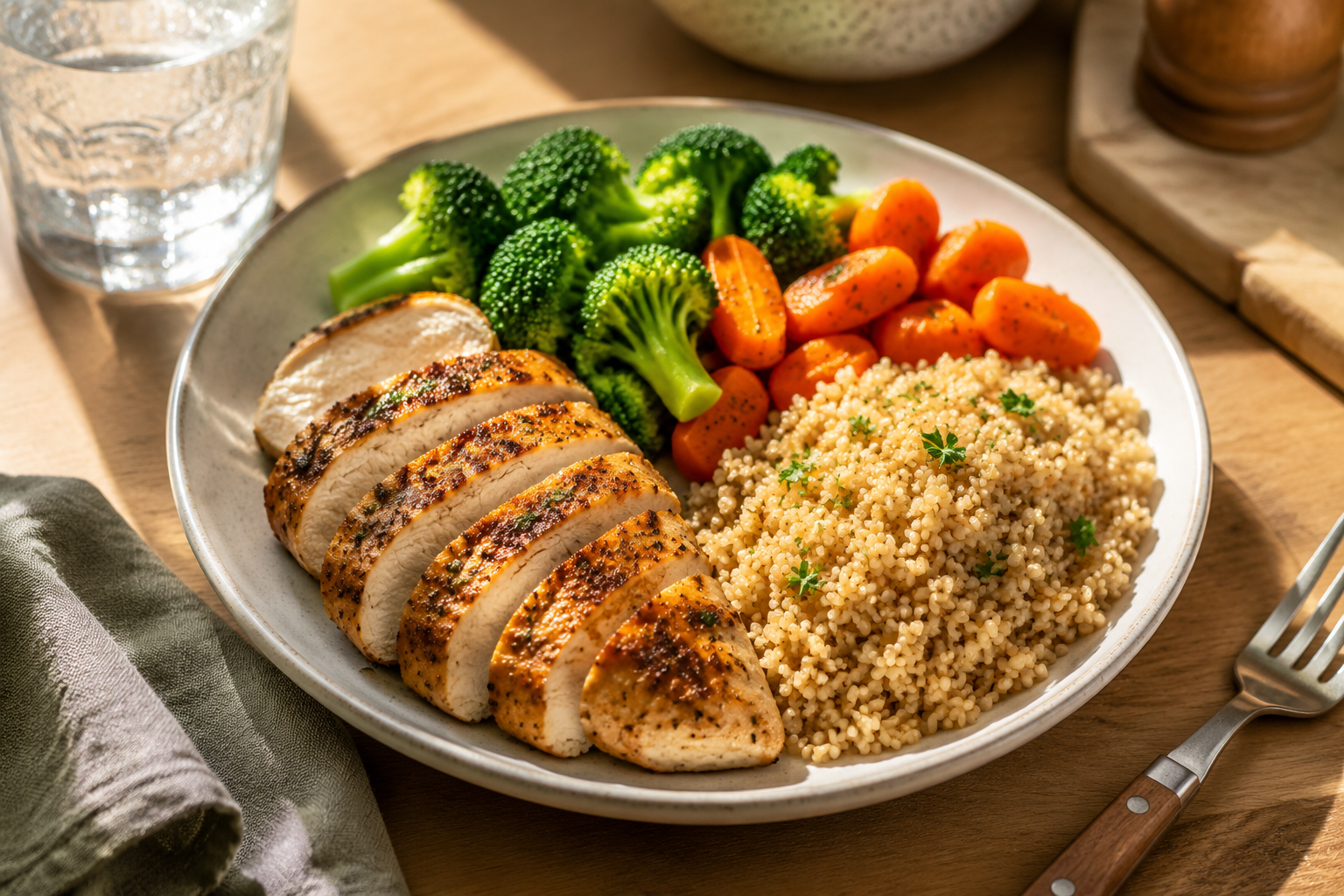
Portion size matters more than most people realize. A moderate meal keeps you satisfied without overwhelming your digestive system. If you’re eating until you’re stuffed, you’re setting yourself up for fatigue. Aim to finish a meal feeling about 80% full. You can always have a small snack later if you’re actually hungry.
Timing plays a role too. Eating your largest meal at lunch, when many people have afternoon work to do, practically guarantees a slump. If your schedule allows, consider making breakfast or dinner your bigger meal and keeping lunch lighter.
Specific Foods That Help
Some foods seem particularly good at sustaining energy. Eggs provide complete protein and healthy fats. Oatmeal releases energy slowly thanks to its fiber content. Leafy greens are packed with B vitamins that support energy production. Nuts and seeds offer protein, healthy fats, and minerals like magnesium that play a role in energy metabolism.
On the flip side, watch out for the obvious culprits. White bread, pastries, sugary drinks, and candy bars spike your blood sugar fast. So do large servings of white rice or regular pasta. That doesn’t mean you can never eat them, but if you’re trying to avoid post-meal fatigue, they’re the first things to moderate.
What About Hydration and Movement?
Dehydration amplifies fatigue. If you’re even mildly dehydrated when you eat, that post-meal slump feels worse. Make sure you’re drinking water throughout the day, not just chugging a glass with your meal.
A short walk after eating can genuinely help. A 2018 study published in Diabetologia found that a 10-minute walk after meals improved blood sugar control and reduced feelings of tiredness. You don’t need a full workout. Just getting up and moving for a few minutes signals your body to stay alert instead of slipping into rest mode.
A 10-minute walk after meals improved blood sugar control and reduced feelings of tiredness.

If a walk isn’t realistic, even standing for five minutes helps. Staying upright keeps your blood circulating more actively than slumping in a chair. It’s a small change that makes a noticeable difference.
When Tiredness Might Mean Something Else
Sometimes post-meal fatigue is a symptom of an underlying issue. If you’re exhausted after every single meal no matter what you eat, it’s worth talking to a doctor. Conditions like diabetes, thyroid problems, sleep apnea, or chronic fatigue syndrome can all manifest as excessive tiredness after eating.
Reactive hypoglycemia is another possibility. This happens when your blood sugar drops too low after eating, causing shakiness, fatigue, and irritability. It’s more common in people with prediabetes or insulin resistance. A healthcare provider can run tests to check your blood sugar response.
If you’ve tried adjusting your meals and still struggle with severe fatigue, don’t ignore it. Your body might be telling you something important.
Wrapping It Up
Feeling tired after eating is normal to some extent, but it doesn’t have to derail your day. Focus on balanced meals with protein, healthy fats, and fiber. Keep portions moderate. Stay hydrated and move a little after eating. Those simple adjustments make a real difference in how you feel during the afternoon hours. You don’t need to overhaul your entire diet. Just pay attention to what your body is telling you and adjust from there.
Frequently Asked Questions
Is it normal to feel sleepy after every meal?
Mild drowsiness after eating is normal, especially after lunch. But if you’re so tired you can barely function after every meal, that’s worth investigating. It could signal blood sugar issues, food intolerances, or an underlying health condition. Most people feel a slight energy dip, not complete exhaustion.
Does coffee after lunch prevent the afternoon crash?
Coffee can help temporarily, but it doesn’t fix the root cause. If your meal spiked your blood sugar and triggered an insulin response, caffeine might mask the fatigue but won’t stabilize your energy. It’s better to eat a balanced meal in the first place. That said, a small coffee after lunch won’t hurt if you’re already eating well.
Can eating smaller meals throughout the day help?
It can, but it depends on what you’re eating. Frequent small meals prevent the digestive overload that comes with huge portions, but if those small meals are carb-heavy snacks, you’ll still get blood sugar swings. The key is keeping each mini-meal balanced with protein and fiber, not just grazing on crackers or fruit all day.
Why do carbs make me more tired than protein?
Carbohydrates, especially refined ones, cause faster blood sugar spikes and bigger insulin releases. Insulin helps tryptophan enter your brain, where it converts to serotonin and melatonin, both of which promote relaxation and sleep. Protein, on the other hand, stimulates orexin, a neurotransmitter that keeps you alert. That’s why a steak leaves you feeling different than a bowl of pasta.
Should I avoid eating lunch if it makes me tired?
No, skipping meals creates its own problems. You’ll likely get hungrier later and overeat, plus your energy will crash from low blood sugar. Instead, adjust what and how much you’re eating at lunch. A lighter, protein-rich meal with vegetables will keep you more alert than a heavy, carb-loaded plate.
How long does post-meal fatigue usually last?
For most people, it peaks about 30 to 90 minutes after eating and gradually fades over the next hour or two. If you’re still exhausted three or four hours later, the issue might not be the meal itself. Poor sleep, dehydration, or an underlying health condition could be the real culprit.