
The Story Starts Below!
The Perfect Tuesday

My fingers traced the final curve of the logo design, twenty-three iterations finally crystallizing into something that felt inevitable. The tech startup would love it—clean lines, subtle gradient, that perfect balance between modern and timeless that clients always asked for but rarely understood.
I leaned back in my ergonomic chair, watching the afternoon light filter through my apartment’s floor-to-ceiling windows. Three years of building my freelance graphic design business had led to this moment: financial stability, creative fulfillment, and the kind of client roster that made other designers envious.
My phone buzzed with a text from Mom. “Family dinner Sunday? Dad’s making his famous ribs.” I smiled, already tasting the barbecue sauce he’d spent decades perfecting, already hearing Sarah’s laugh as she told stories about her latest marketing campaigns.
The First Crack
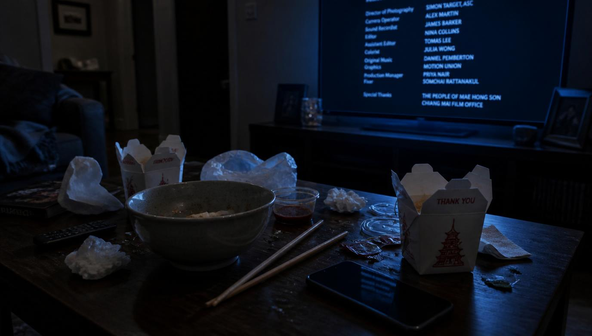
Sarah’s call came at 7 PM, just as I was settling into my evening routine with takeout Thai food and a documentary about typography. Her voice carried an edge I’d never heard before—sharp, careful, like she was reading from a script.
“Lina, we need to talk about what you said to Mom yesterday.” The chopsticks slipped from my fingers, clattering against the ceramic bowl.
I hadn’t talked to Mom yesterday. I’d been buried in client work, hadn’t spoken to anyone in the family since our group text thread about weekend plans.
“Sarah, I think there’s some confusion. I didn’t call Mom yesterday, I was—” But she’d already hung up, leaving me staring at my phone’s black screen, my appetite completely gone.
The Intervention
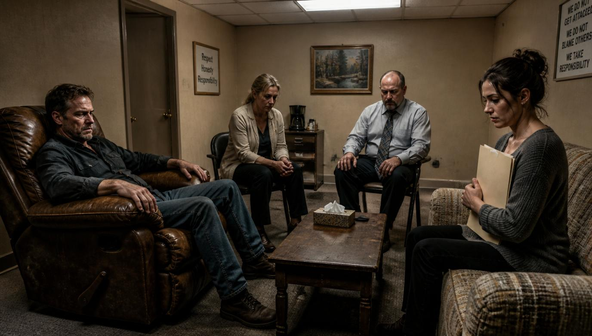
Mom’s living room felt smaller than usual, the familiar beige walls closing in as I faced the semicircle they’d arranged. Dad sat rigidly in his recliner, avoiding eye contact, while Sarah perched on the edge of the couch clutching a manila folder like a shield.
“Honey, we’re worried about you,” Mom began, her voice dripping with the false sweetness she used when manipulating store clerks. “The things you’ve been saying, the threats you’ve been making…”
My brain scrambled to process her words. Threats? I designed logos for organic dog treat companies and meditation apps—violence wasn’t exactly in my vocabulary.
“I think there’s been a misunderstanding,” I said, but Mom held up her hand, silencing me with a gesture I’d never seen her use before.
The Evidence
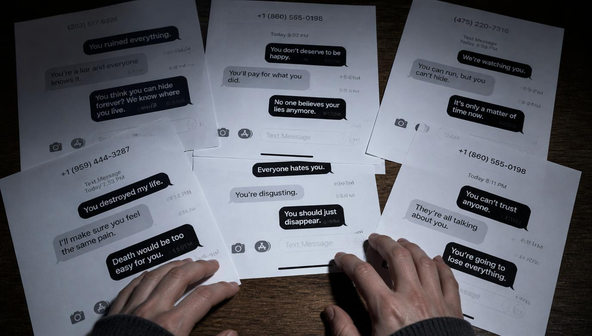
Sarah opened her folder with trembling hands, spreading screenshots across the coffee table like a prosecutor presenting evidence. Text messages filled the pages—vile, threatening words sent from my phone number, my contact information clearly visible at the top.
“You sent these to Mom over the past two weeks,” Sarah said, her voice breaking. “About hurting Dad, about burning down the house, about making us all pay for imaginary slights.”
I stared at the messages, my own phone number staring back at me, but the words were foreign, violent, completely unlike anything I’d ever written. The timestamps showed conversations happening while I was in client meetings, while I was sleeping.
“These aren’t from me,” I whispered, but even as I said it, I could see the doubt creeping into Dad’s eyes behind his wire-rimmed glasses.
The Doctor’s Recommendation
“We think you need help, sweetheart,” Dad said finally, his voice heavy with reluctant conviction. Sarah had shown him something else—recordings, she claimed, of phone calls where I’d ranted about conspiracies and family betrayals.
I’d never made those calls. I’d never said those words.
But when they played the audio, my voice emerged from Sarah’s phone speaker—distorted, angry, unrecognizable yet unmistakably mine. The woman in the recording sounded unhinged, paranoid, dangerous.
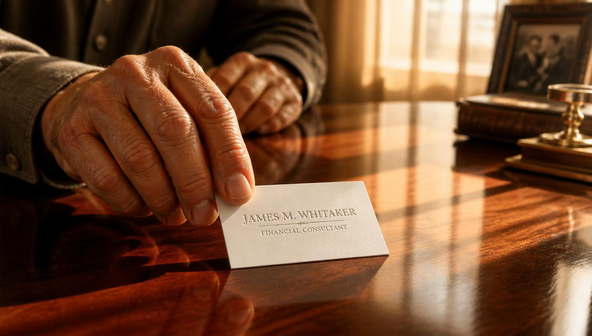
“Dr. Richardson has an opening tomorrow,” Mom said, sliding a business card across the table. “He specializes in cases like yours, where stress and isolation create… episodes.”
The Crumbling
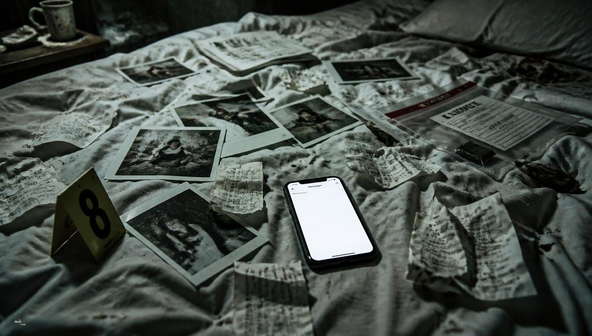
My apartment felt like a crime scene when I returned, every familiar object now suspicious. Had I somehow sent those messages during blackouts? Had I made those calls and blocked them from memory?
I scrolled through my phone obsessively, searching for evidence of the communications they’d shown me. My sent folder contained nothing but work emails and normal family conversations—grocery lists, funny memes, birthday wishes.
Yet their proof was right there, undeniable and damning. My number, my voice, my apparent descent into madness playing out in real-time while I remained completely unaware.
The gas bill notice on my counter seemed surreal now, a relic from when my biggest worry was meeting client deadlines.
The Spreading Stain

Tuesday brought the first sign that the damage was expanding beyond our family. My best friend Maya called, her usual warmth replaced by careful concern.
“Lina, your mom reached out to me yesterday. She’s really worried about you, said you’ve been struggling with some mental health issues?”
My stomach dropped. Mom had never contacted Maya before—they’d met maybe three times in five years.
“She mentioned you might try to involve friends in some paranoid conspiracy theories,” Maya continued. “I just want you to know I’m here if you need professional help, but I can’t be part of anything unhealthy.”
The line went dead, another bridge burning while I stood helpless to stop it.
The Professional Consequences

Thursday’s client meeting lasted exactly seven minutes. Jennifer Walsh, the startup founder who’d been enthusiastic about my logo designs just days before, sat across from me with arms crossed and lips pressed into a thin line.
“I received a concerning call about your current mental state,” she said, not bothering with pleasantries. “Something about erratic behavior and potential legal issues?”
My portfolio lay open between us, three weeks of work reduced to irrelevance by a single phone call. I tried to explain, to defend myself, but my desperation only seemed to confirm whatever story she’d been told.
“I think it’s best if we part ways,” she concluded, gathering her papers while I sat frozen, watching my career credibility evaporate in real-time.
The Final Domino
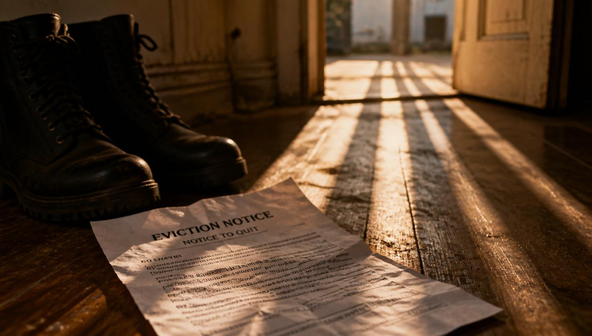
Friday brought the eviction notice, though I’d never missed a rent payment in three years. My landlord, Mrs. Patterson, stood in my doorway with sheriff’s deputies flanked behind her like backup singers in a surreal performance.
“Your mother called, dear,” she said, her grandmother voice tinged with frightened sympathy. “She’s very worried about your mental condition, said you might become violent or destructive.”
The safety concerns, she explained, made my continued tenancy impossible. Thirty days to vacate, non-negotiable, with references to lease clauses I’d never read about tenant mental health disclosures.
I stared at the legal document, my name printed in stark black letters next to words like “potential danger” and “family intervention recommended.”
The Isolation
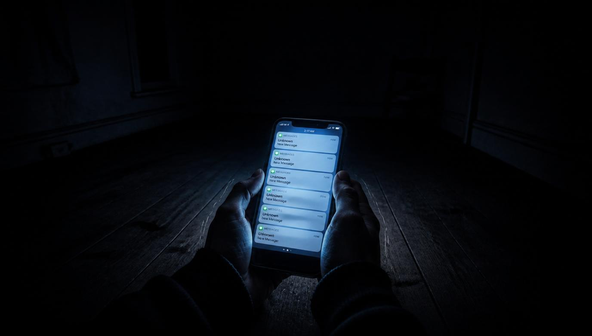
My phone had become a weapon turned against me, each buzz bringing news of another relationship severed, another opportunity withdrawn. College friends stopped returning texts after receiving “concerned” calls from my family.
My favorite coffee shop, where I’d worked on designs for two years, suddenly felt uncomfortable. The barista who usually knew my order avoided eye contact, whispering to her coworker while glancing in my direction.
Even my therapist Dr. Kim seemed different during our session, more clinical, asking pointed questions about family dynamics and reality perception that felt like verbal landmines.
I was being systematically erased from my own life, one conversation at a time.
The Bank Account
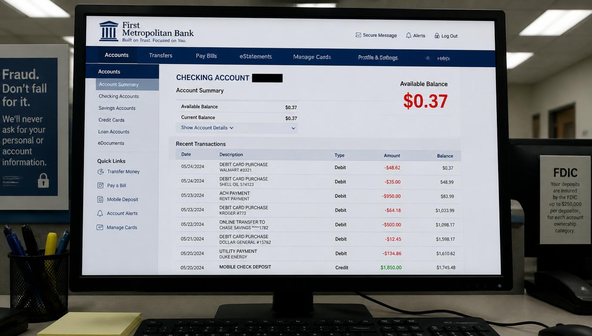
Monday’s banking login revealed the cruelest cut of all. My savings account, jointly held with my parents since college as an emergency backup, showed a balance of zero dollars and thirty-seven cents.
The transaction history told the story: “Mental Health Treatment Fund Transfer” had drained everything, authorized by my father’s signature on documents I’d never seen.
When I called the bank, the representative’s voice carried the same careful sympathy I’d heard from everyone else. My family had provided documentation of my “condition” and legal authority to manage my finances during my “episode.”
Twenty-three thousand dollars, gone. Three years of careful saving, dissolved by signatures and medical terminology I didn’t understand.
The Recording
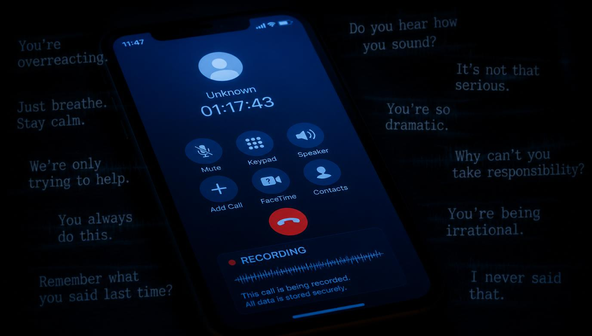
That evening, I called my family for what I didn’t know would be the last time. Dad answered, his voice heavy with manufactured sadness.
“Lina, you need to accept help,” he said, and I could hear Mom coaching him in the background. “These conspiracy theories about us stealing from you, these accusations—they’re just proving that you’re not thinking clearly.”
“I’m not making accusations,” I said, but as the words left my mouth, I realized the conversation was being recorded. Every confused question I asked, every desperate denial I made, would become more evidence of my alleged mental breakdown.
Sarah’s voice cut through the speaker: “She’s doing it again, Dad. The paranoid rambling, the victim mentality. Dr. Richardson said this would happen.”
The Choice
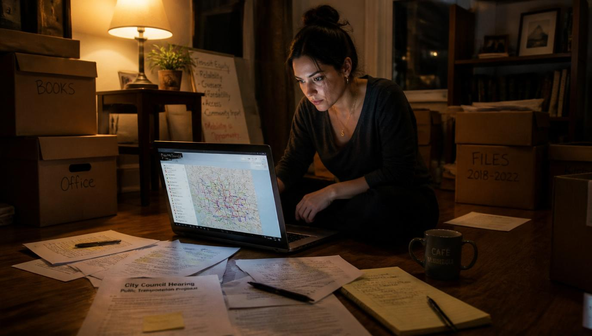
Wednesday night, I sat on my apartment floor surrounded by boxes and legal documents I couldn’t afford to fight. The sheriff would return Friday to ensure my departure, and I had exactly two hundred and thirty-four dollars in my personal checking account.
My family’s final message had been clear: submit to psychiatric evaluation and treatment they’d arranged, or face complete financial and social destruction. The choice felt like drowning slowly versus jumping off a cliff.
I opened my laptop and began researching bus routes to cities where no one knew my name. Sacramento, Phoenix, Denver—places where I could disappear and rebuild while the truth worked itself out.
The family photo on my mantle smiled down at me, five faces from a holiday gathering last Christmas, when my biggest worry was whether Sarah would bring gluten-free dessert.
The Departure
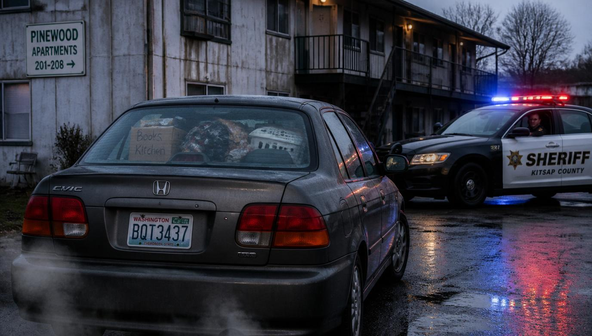
Friday morning arrived gray and cold, matching my emotional state as I loaded my Honda Civic with everything I owned that fit. The sheriff’s deputy watched from his patrol car, ensuring I vacated on schedule.
Mrs. Patterson stood by her window, clutching her robe and looking genuinely sad. She’d known me as the quiet tenant who paid early and kept perfect landscape designs blooming on her windowsill.
I started the engine and looked back once at the building where I’d built my adult life. Somewhere in those windows, my former existence was being boxed up by strangers and donated to charity.
The GPS showed eight hours to Phoenix, where I’d found a week-to-week motel and a Craigslist job doing basic web design for cash.
The Rearview Mirror

As Chicago’s skyline shrank behind me, I tried to make sense of the past two weeks. How does a person lose everything—family, friends, career, home—so completely and suddenly?
The rational part of my mind insisted this was temporary, a misunderstanding that would resolve once emotions cooled and truth emerged. My family loved me; they’d raised me, celebrated my successes, been proud of my independence.
But the voicemails I’d saved on my phone told a different story: cold, clinical descriptions of my “deteriorating condition” and their “necessary intervention for public safety.”
I pressed harder on the accelerator, chasing the horizon toward a future I couldn’t imagine, carrying nothing but questions and the absolute certainty that I’d never send those threatening messages.
The Phoenix Motel

The Desert Palms Motel looked nothing like its name suggested, squatting beside Interstate 10 like a concrete scab against the Arizona sky. My room key stuck in the lock, the number seven hanging upside down on the door.
Inside, the smell of industrial disinfectant couldn’t mask decades of cigarette smoke and broken dreams. The bedspread featured a geometric pattern that hurt to look at directly.
But it was mine for sixty dollars a week, no credit check required, no references needed. The desk clerk had barely glanced at my driver’s license before sliding the key across the counter.
The Digital Graveyard
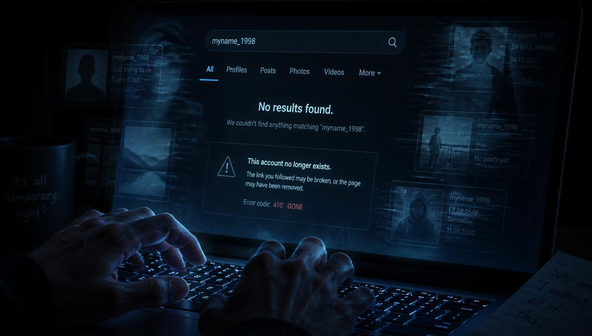
My laptop screen glowed in the motel’s perpetual twilight as I discovered the full scope of the damage. Google searches for my name now returned nothing but cached fragments of my old portfolio website, already disappearing from search engine indexes.
LinkedIn showed my profile as “temporarily unavailable.” Instagram had suspended my account for “violating community guidelines” through reports I’d never received.
Even my college alumni directory had removed my listing, as if Lina Chen had never existed at all. Someone had methodically erased my digital footprint with surgical precision.
The Craigslist Client

Carlos met me at a McDonald’s off Camelback Road, sliding a manila envelope across the plastic table with nervous energy. His cash-only web design project felt like a lifeline wrapped in questionable legality.
“No contracts, no paperwork, just build the site and disappear,” he explained, his gold tooth catching the fluorescent light. “Can you handle that kind of arrangement?”
Three hundred dollars for a basic restaurant website seemed too good to be true. But my dwindling cash reserves couldn’t afford moral complexity, so I shook his hand and pocketed the advance.
The First Follow

Tuesday morning brought the realization that my exile hadn’t created the clean break I’d expected. A white sedan appeared in my rearview mirror during the drive to the library, maintaining perfect distance for forty-seven minutes.
When I parked, it continued past without slowing. When I emerged two hours later, a different white sedan sat three spaces away, engine running.
The driver wore sunglasses and a baseball cap, gender indeterminate, attention focused on a newspaper that never turned pages. My hands shook as I fumbled with my car keys.
The Familiar Voice
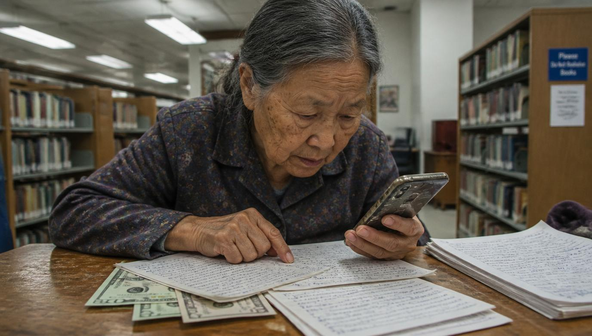
The Phoenix Public Library’s computer lab became my office, anonymous and safe among the homeless veterans and job seekers who shared the fluorescent-lit space. But even there, my family’s reach extended like digital tentacles.
While researching hosting options for Carlos’s website, I overheard a woman on the phone behind me. “Yes, we’re very concerned about our daughter Lina. She’s having some kind of breakdown.”
I turned slowly, but the woman was elderly, Asian, completely unknown to me. The coincidence felt impossible until I realized she was reading from notes, earning twenty dollars to make a call.
The Web Design Trap
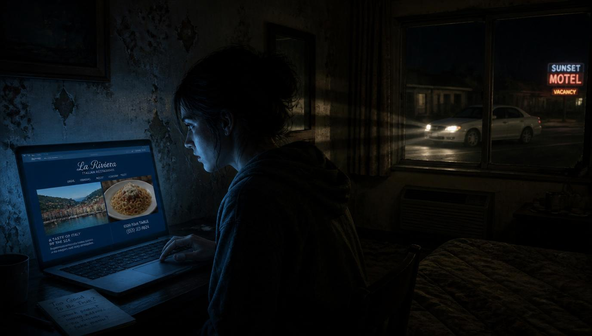
Carlos’s restaurant website required business license verification that led down a rabbit hole of shell companies and fake addresses. The photos he’d provided showed a building that housed a tire shop, not an Italian bistro.
My desperation had made me careless, accepting work that would likely implicate me in fraud or money laundering. But backing out now meant losing the three hundred dollars I’d already spent on rent and food.
I sat in the motel parking lot, weighing criminal complicity against starvation, while the white sedan made its third pass of the evening with practiced nonchalance.
The Portland Connection
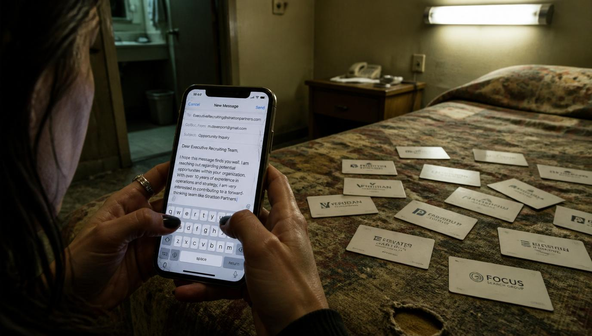
A reverse phone number search revealed that one of my former Chicago clients had an office in Portland. Jennifer Walsh’s startup had expanded faster than expected, and her company website still featured the logo I’d designed.
Maybe distance and business necessity would outweigh whatever poison my family had spread. I crafted an email explaining my relocation and offering additional design services.
Her response came within an hour: “We’ve been advised by legal counsel to cease all communication with you. Please do not contact us again or we will pursue harassment charges.”
The Name Change Research
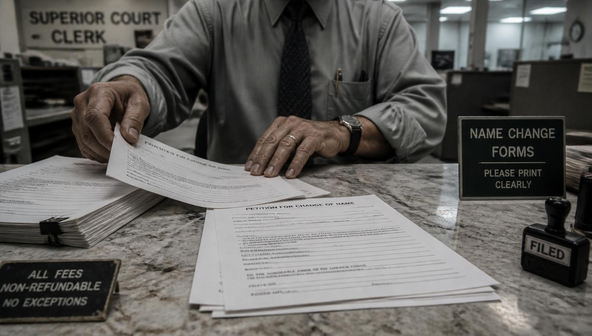
The Maricopa County courthouse clerks treated name changes like routine oil changes, sliding forms across the counter with bored efficiency. The process would take six weeks and cost four hundred dollars I didn’t have.
But the legal implications were staggering: new social security card, new driver’s license, new bank accounts, new everything. Killing Lina Chen officially to save whatever person I might become.
The irony wasn’t lost on me that my family had already accomplished this symbolically. The paperwork would simply make their erasure of me legally binding and permanent.
The Storage Unit Discovery
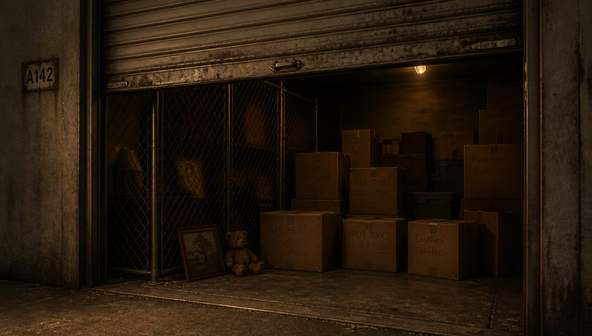
My credit card statement, forwarded to the motel through a mail service, showed a charge I hadn’t authorized. Two hundred fifty dollars to Chicago Metro Storage for a unit I’d never rented.
The phone call revealed that my “concerned family” had moved my belongings from the apartment to prevent their disposal. But accessing the unit required my physical presence and two forms of identification.
Everything I’d owned but couldn’t carry was now held hostage fifteen hundred miles away, another chess piece in a game whose rules I still didn’t understand.
The Social Media Ghosts
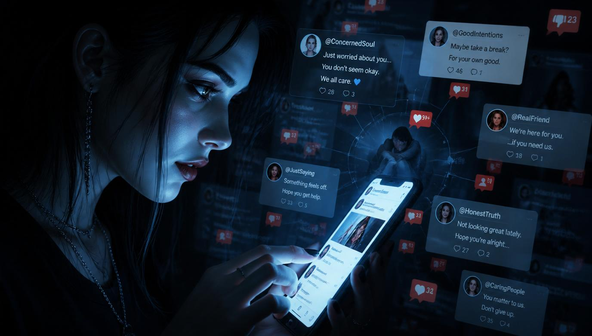
Creating new social media accounts under fake names revealed the sophisticated nature of my digital assassination. Former friends had shared posts about “supporting family members through mental health crises” without mentioning me directly.
Professional contacts posted general warnings about “freelancers who develop substance abuse or psychological problems” affecting their work quality. The implications were clear without being legally actionable.
Most disturbing were the dating app warnings circulating among Chicago’s young professional scene, describing a “dangerous woman” matching my description who’d threatened multiple family members.
The Therapist’s Notes
Dr. Kim’s office called the motel Tuesday afternoon, the receptionist’s voice dripping with professional concern. They’d received “additional information” about my case from family members and needed to discuss treatment options immediately.
The implication was clear: return to Chicago for psychiatric evaluation, or face having my location reported to authorities as a missing person experiencing dangerous delusions.
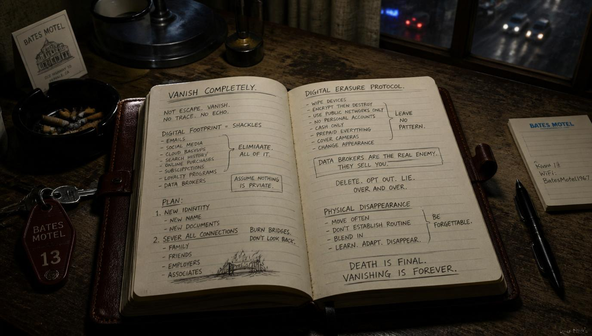
I hung up and immediately began researching how to disappear more completely, how to break the digital threads that kept pulling me back into their web of false narratives.
The Carlos Revelation
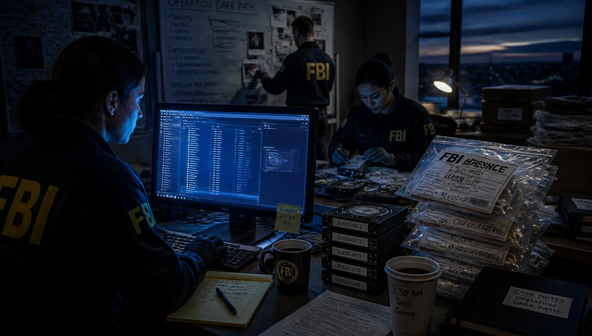
The Italian restaurant website launched Thursday, and within hours, FBI agents raided the tire shop at the address Carlos had provided. Local news footage showed computers being carried out in evidence bags.
My motel room phone rang at 3 AM, Carlos’s voice tight with panic. “They’re asking about the web designer, the girl who built our site. You need to disappear before they connect your name.”
I hung up and started packing immediately, realizing my desperation had made me complicit in crimes I’d never intended to commit. Even my escape from Chicago had been contaminated by poor decisions.
The Bus Station Decision
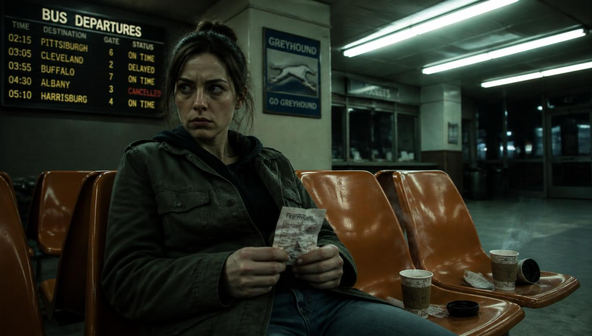
Phoenix’s Greyhound station at dawn felt like purgatory’s waiting room, filled with people fleeing various forms of destruction. My ticket to Denver represented another random geographical choice, another city where I could reinvent myself.
But as I waited in the plastic chair, watching families reunite at the arrival gates, the magnitude of my isolation became overwhelming. No one in the world cared where I went next.
The white sedan sat across the street in a McDonald’s parking lot, driver still hidden behind sunglasses, still maintaining the surveillance that had become my constant companion.
The Passenger Observation

The elderly woman sitting beside me on the Denver bus clutched a phone with a cracked screen, scrolling through photos of grandchildren with obvious love. Her casual conversation revealed normal family dynamics I’d forgotten existed.
“My daughter worries too much,” she laughed, showing me pictures. “But that’s what families do, they take care of each other through everything.”
I turned toward the window, watching the desert blur past, wondering if I’d ever understand what had transformed my family’s love into something weaponized against my very existence.
The Mile High Isolation

Denver’s skyline appeared through mountain haze like a promise I couldn’t trust, another city where I might survive until the next inevitable discovery and flight. My reflection in the bus window showed a stranger with hollow eyes.
The other passengers collected their belongings with purpose, heading toward people who cared about their safe arrival. I remained seated until the driver checked for forgotten items.
My phone showed seventeen missed calls from unknown numbers, a digital chorus demanding my return to a Chicago that no longer existed for me. I powered it off and stepped into Colorado’s thin air, completely alone.
The Digital Fortress

Denver’s public library required three forms of identification I barely possessed anymore. But their computer lab offered something Phoenix hadn’t: advanced privacy tools and encrypted connections that could hide my digital footprints.
I spent the first week learning to navigate the dark web, studying tutorials on identity protection written by people fleeing far worse situations than mine. The techniques felt like witchcraft, making data disappear and creating false trails.
My new skills revealed the sophisticated tracking methods my family had employed. GPS data from my old phone, credit monitoring services, even facial recognition alerts through social media platforms I’d never used.
The Name Becomes Real
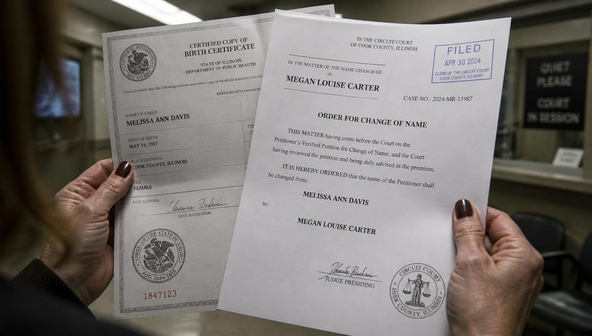
Colorado’s name change process moved faster than Arizona’s bureaucratic maze. Within ten days, Elena Martinez existed on paper, complete with a social security number that had never been associated with Lina Chen.
The courthouse clerk handed me documents that felt like resurrection papers. But staring at my new driver’s license photo, I barely recognized the hollow-eyed woman looking back.
Elena Martinez had no family, no history, no one hunting her across state lines. The relief felt almost as devastating as the original abandonment.
The Roommate Disaster

The Craigslist roommate seemed perfect: Jessica, a nursing student who worked night shifts and needed someone quiet to split rent on her Capitol Hill apartment. We met at a coffee shop, clicked immediately over shared interests in graphic novels and indie films.
Three weeks into our arrangement, Jessica cornered me in the kitchen with printouts from social media. Someone had contacted her nursing program with “concerns about her roommate’s mental stability and potential for violence.”
She moved out within forty-eight hours, leaving me scrambling to cover full rent I couldn’t afford. The familiar pattern was reasserting itself in a new city.
The Fake Reference Network

Desperation drove innovation in ways college courses never taught. I created an elaborate network of fake businesses with working phone numbers, professional websites, and glowing references for Elena Martinez’s nonexistent work history.
Voice over IP services let me route calls through different numbers, adopting various personas to confirm Elena’s excellent character and work ethic. The deception felt necessary for survival.
But maintaining the lies required constant vigilance, multiple phone apps, and detailed notes about which identity answered which number. My fake life was becoming more complex than my real one ever was.
The Freelance Underground
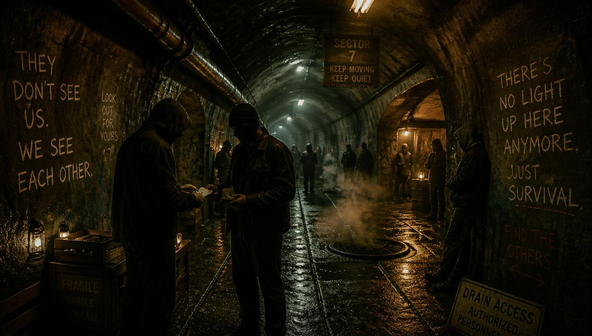
Denver’s gig economy operated in cash-only shadows that welcomed people like Elena Martinez. Food delivery, house cleaning, pet sitting—work that paid immediately without extensive background checks or reference verification.
I discovered a network of freelancers who’d all fled something: abusive relationships, bankruptcy, immigration issues, criminal records. We shared survival strategies without sharing real names.
Maria, who cleaned offices downtown, taught me which clients paid cash and didn’t ask questions. Her own story involved an ex-husband who’d weaponized the legal system against her.
The Technology Revelation

Building websites for cash clients revealed how easily digital identities could be manipulated. A few hundred dollars bought fake LinkedIn profiles, manufactured work history, and positive reviews from companies that existed only on paper.
I realized my family hadn’t just gotten lucky with their character assassination. They’d hired professionals who specialized in reputation destruction, the same services used by corporations to bury negative publicity.
The sophistication explained why my attempts to fight back had failed so completely. I’d been wielding amateur tools against expert weaponry.
The Inheritance Investigation
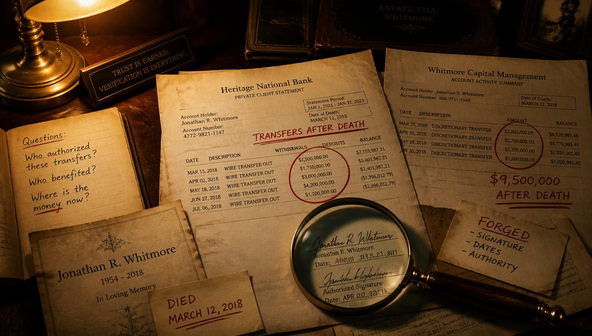
Late nights at the library led me down rabbit holes of public records, searching for any trace of my grandfather’s estate. What I found made my blood freeze: millions of dollars had flowed through accounts bearing his name.
But the death certificate showed he’d passed eighteen months before the largest transfers occurred. Someone had been conducting business as a dead man, moving money with forged signatures.
The paper trail led to my mother’s care management business, which had somehow acquired power of attorney over dozens of elderly clients’ finances after my grandfather’s death.
The Pattern Recognition
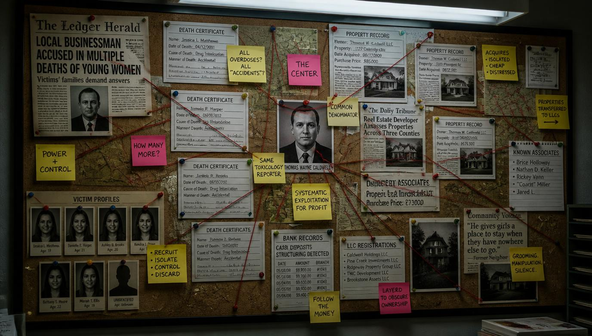
My grandfather wasn’t an isolated case. Online obituaries led to probate records that revealed a systematic pattern spanning three years and multiple families.
Elderly clients of my mother’s business had their assets transferred to “family management accounts” shortly before their deaths. The amounts were staggering: house sales, retirement accounts, insurance policies.
My forced exile suddenly made perfect sense. I’d been removed not because of erratic behavior, but because I might have questioned financial irregularities.
The Recorded Evidence
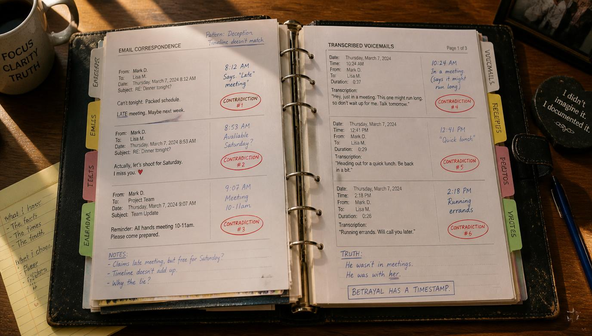
My obsessive documentation habits from the Phoenix days paid unexpected dividends. I’d saved every voicemail, every text, every email from the week my family had cut contact.
Reviewing them with fresh eyes revealed inconsistencies I’d missed while drowning in confusion and desperation. My mother’s concern about my “accusations” preceded any accusations I’d actually made.
The timeline was backwards. They’d built their defense before committing the crime I might have discovered.
The Legal Research

Colorado’s law library became my second home as I researched elder abuse statutes and financial crimes. The penalties were severe: decades in prison, complete asset forfeiture, permanent felony records.
But the evidence was scattered across multiple states, hidden behind privacy laws and family court seals. Gathering proof would require resources I didn’t possess and legal standing I’d lost.
Even worse, my current fake identity made me legally unable to pursue justice. Elena Martinez had no standing to represent Lina Chen’s interests.
The Surveillance Returns

Three months of careful living in Denver ended when the white sedan reappeared outside my new apartment building. Different license plates, same tinted windows, same methodical patience.
This time I was ready with countermeasures learned from online privacy forums. I documented everything: times, locations, license numbers, photographic evidence stored in encrypted cloud accounts.
But the message was clear—geographic distance meant nothing to people with unlimited resources and professional tracking capabilities.
The Support Group Discovery
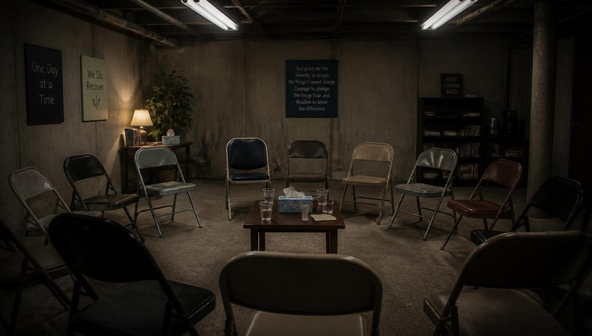
A community center flyer advertised support groups for “adults estranged from family members.” The basement meeting room felt like sanctuary, filled with people who understood systematic rejection.
Other attendees shared stories of parents who’d weaponized mental health professionals, siblings who’d stolen inheritances, families who’d created false narratives to justify cutting contact.
For the first time since Chicago, I wasn’t alone with my experience. The relief was overwhelming, followed immediately by rage that such groups needed to exist.
The Mentor Connection

Linda, a woman in her fifties, approached me after my third meeting. Her own family had destroyed her through false accusations of drug abuse while systematically stealing her late husband’s business.
She’d survived seven years of exile before rebuilding her life completely. Her story offered hope mixed with brutal realism about the permanent nature of certain betrayals.
“The fantasy is that truth will set you free,” she explained over coffee. “The reality is that some people will never admit the truth, so you have to build freedom without them.”
The Strategic Planning
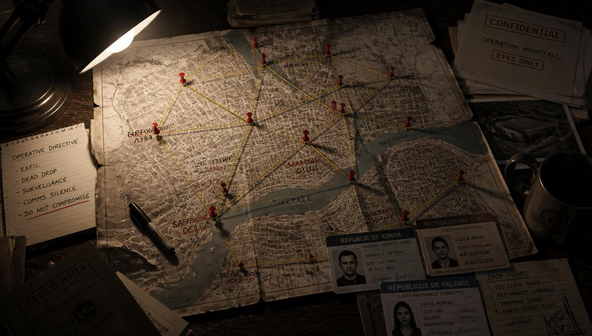
Linda’s guidance helped me understand that survival required strategic thinking rather than emotional responses. She introduced me to other long-term survivors who’d learned to thrive despite ongoing family warfare.
We developed plans for complete identity protection, advanced documentation techniques, and legal strategies that didn’t depend on family cooperation. The network felt like resistance fighters sharing intelligence.
But the most valuable lesson was psychological: accepting that my family’s love had never been unconditional, just better hidden before I became inconvenient.
The Decision Point
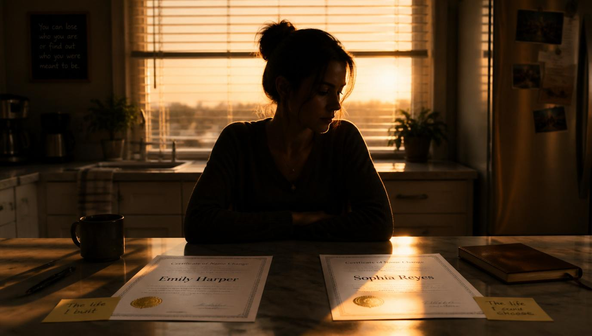
Six months in Denver had given me stability, community, and dangerous knowledge about my family’s criminal activities. But my fake identity couldn’t survive indefinite scrutiny, and the surveillance suggested they were closing in.
I faced an impossible choice: disappear completely into Elena Martinez’s limited world, or risk exposure by trying to expose their crimes as Lina Chen.
The support group urged caution, but my grandfather’s memory demanded justice. His pocket watch was still missing, probably sold to fund their elaborate destruction of my life.
The Phone Awakens
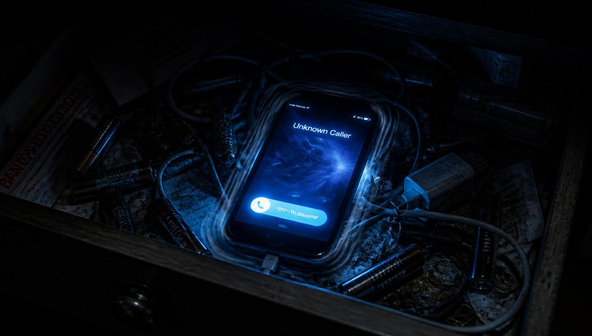
Seven years of silence shattered at 3:47 AM when my old phone, buried in a drawer beneath spare batteries and forgotten cables, began buzzing with the persistence of a dying wasp. I’d kept the device despite changing numbers twice, some masochistic attachment to the life it once contained.
The screen showed seventeen missed calls from numbers I recognized like scars. My mother’s contact photo, smiling from a Christmas morning that felt like archaeology, glowed accusingly in the darkness.
The voicemail notification count climbed to twenty-three while I stared, paralyzed between curiosity and self-preservation.
The First Message

“Lina, honey, it’s Mom.” The voice trembled with manufactured warmth that made my skin crawl. “I know this is… unexpected, but we really need to talk. There’s been a misunderstanding about some financial matters.”
Seven years of engineered exile reduced to a “misunderstanding.” The casual cruelty was breathtaking in its audacity.
“Please call me back as soon as you get this. It’s important, sweetheart. We miss you so much.”
The Cascade Begins
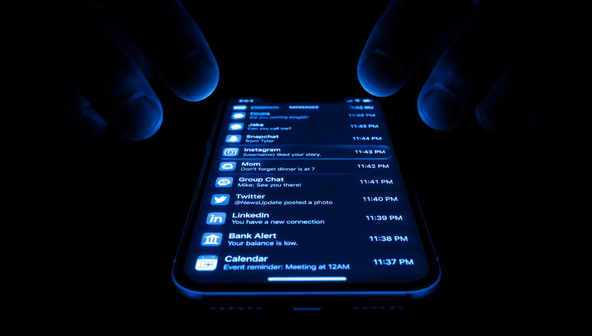
Message after message flooded in as I sat frozen on my apartment floor, watching the evidence of their panic accumulate. Each family member’s desperation leaked through forced cheerfulness like blood through gauze.
Sarah’s voice cracked as she mentioned “some confusion about Grandpa’s estate.” My father cleared his throat repeatedly, the nervous habit I’d inherited manifesting through digital distance.
The timestamps showed a coordinated campaign spanning eighteen hours, their unity finally restored by shared terror.
The Journalist’s Shadow
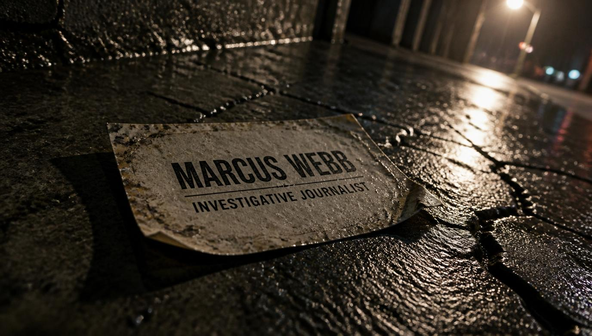
My mother’s fifth message revealed the catalyst. “There’s this reporter asking questions about the care management business. He doesn’t understand how these things work, how families handle financial arrangements.”
Marcus Webb, investigative journalist for the Denver Post. The name dropped between forced casual words like a bomb designed to look like a gift.
“We just need to make sure everyone’s telling the same story, honey. For Grandpa’s memory.”
The Sister’s Confession
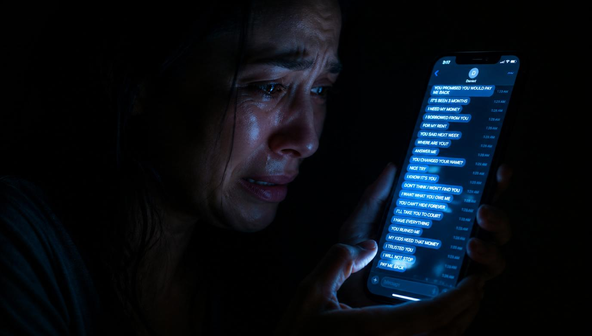
Sarah’s later messages abandoned pretense entirely. “Jesus Christ, Lina, where are you? Mom said you moved to Colorado but we can’t find any trace of you. Did you change your name? Why would you change your name?”
The panic was intoxicating after years of manufactured calm. They’d discovered their victim had learned to hide, and the power shift terrified them.
“Look, maybe I borrowed some money from Grandpa’s accounts, but I was going to pay it back. You know I was going to pay it back.”
The Father’s Awakening
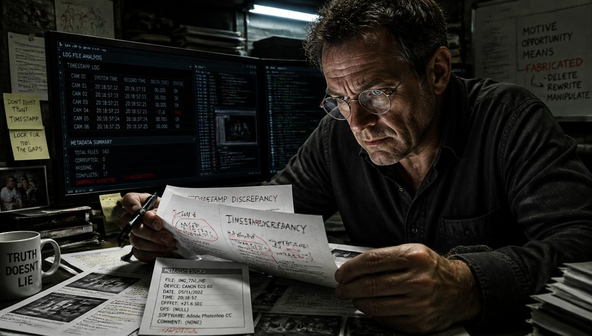
My father’s voice carried a horror I’d never heard before, the sound of a man discovering his life was built on lies. “Your mother showed me recordings of you threatening the family. But the dates don’t match, Lina. The metadata shows they were created after you’d already left.”
His engineering mind was finally applied to the evidence that had convinced him to abandon his daughter. The results were devastating his worldview in real time.
“I think I’ve made a terrible mistake. We’ve all made a terrible mistake.”
The Timeline Collapses
Message fifteen contained my mother’s fury as her careful narrative crumbled. “Your father is asking too many questions about things that don’t concern him. We handled Grandpa’s affairs perfectly legally.”
The mask was slipping after seven years of perfect maintenance. Desperation made her sloppy, revealing motivations she’d hidden behind maternal concern.
“That reporter doesn’t understand how much it cost to take care of your grandfather. Someone had to make difficult decisions.”
The Veiled Threats

“We’re telling people you’ve been struggling with mental health issues, that you might not be reliable if anyone asks you questions.” My mother’s voice had shifted into the calculated coldness I remembered from childhood punishments.
The message felt like a cobra displaying its hood, beautiful and deadly in its honesty. She was warning me that crossing her would restart the character assassination.
“It would be such a shame if your new life got complicated by old misunderstandings.”
The Money Trail
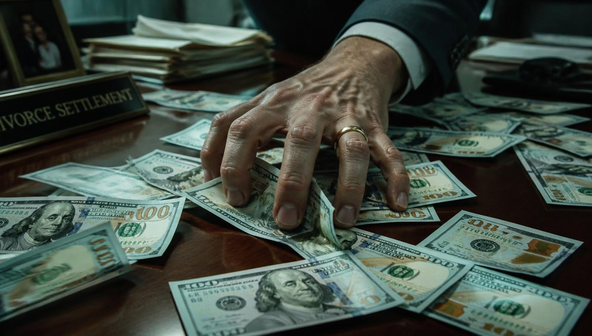
Sarah’s breakdown in message twenty-seven revealed the scope: “It wasn’t supposed to be this much money, okay? But Grandpa’s dementia got worse and the power of attorney made everything legal. Mom said you’d never find out.”
Hundreds of thousands of dollars, possibly millions, stolen from a man whose mind had been stolen first. My exile had been insurance against exactly this moment.
“The other families are lying about their situations. They’re just greedy people who want money they never earned.”
The Desperation Peak

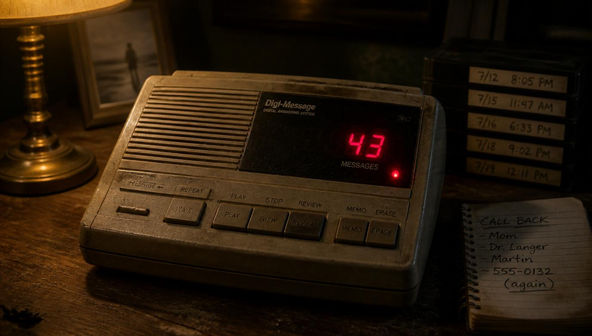
“Forty-three voicemails, Lina. We’ve left you forty-three messages and you haven’t responded to a single one.” My mother’s voice had cracked completely, revealing the terrified predator beneath.
The number felt significant, biblical somehow. Forty days of rain, forty years in the desert, forty-three voicemails to expose a family’s sins.
“If you don’t call back by tomorrow, we’ll have to assume you’re not capable of handling this situation responsibly.”
The Support Group Emergency
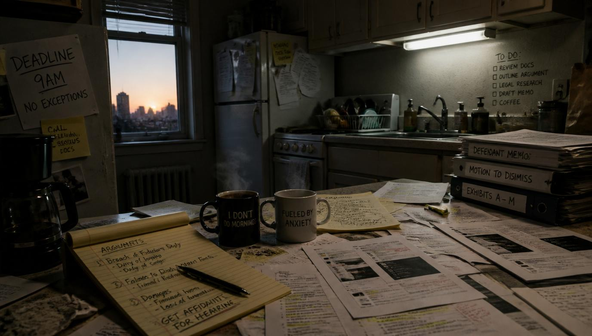
Linda’s phone rang at 6 AM, my hands shaking too badly to navigate the contact list properly. Her voice came through thick with sleep that cleared instantly when I whispered the situation.
“Don’t respond. Don’t even think about responding until we’ve analyzed every message and planned your strategy.”
She arrived at my apartment within the hour, armed with legal pads and the grim expertise of someone who’d survived similar warfare.
The Evidence Review
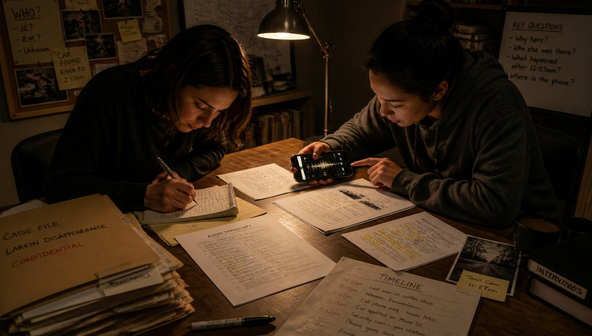
We spent twelve hours dissecting each voicemail, mapping the contradictions and admissions like crime scene investigators. Linda took notes in shorthand while I played back the most damaging segments.
“This is confession-quality material,” she said after Sarah’s inheritance breakdown. “They’re not just admitting to financial crimes, they’re documenting the conspiracy to frame you.”
The weight of vindication felt heavier than expected, like holding a weapon that could destroy everything.
The Journalist’s Profile
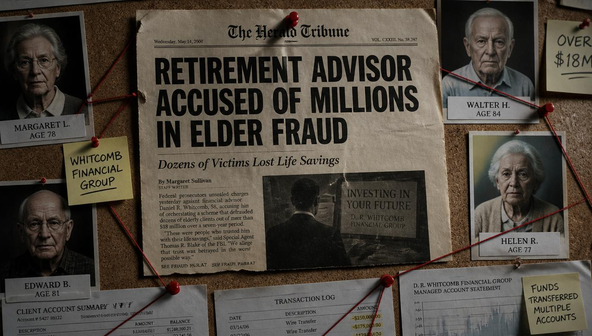
Marcus Webb’s articles revealed a specialist in elder abuse cases who’d exposed three major financial fraud rings in the past five years. His work had sent twelve people to prison and recovered millions for victims’ families.
His latest investigation focused on care management businesses that exploited power of attorney laws to systematically drain elderly clients’ assets.
My family had drawn the attention of someone who made a career of destroying people exactly like them.
The Criminal Pattern
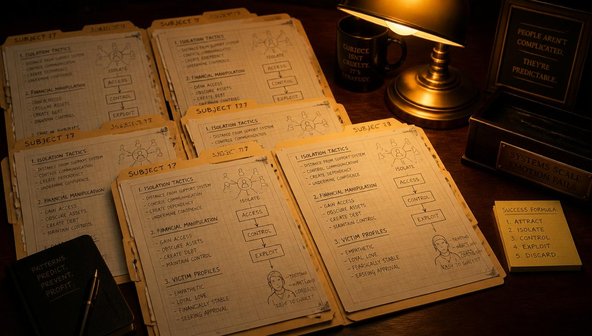
Webb’s previous articles described the exact methodology my mother had used: gradual isolation of elderly clients from skeptical family members, manufactured emergencies requiring immediate financial decisions, and complex legal structures that made theft appear legitimate.
The pattern was so precise it felt like reading my own family’s playbook. They weren’t criminal innovators, just efficient copycats.
Other victims had tried to expose similar schemes but been discredited through character assassination campaigns identical to mine.
The Choice Crystallizes

Linda’s final advice came with the weight of hard experience: “You can disappear completely and let them destroy other families, or you can fight back and risk everything you’ve built here.”
Elena Martinez could fade into obscurity while Lina Chen’s family escaped justice. But my grandfather’s memory deserved better than convenient cowardice.
The forty-three voicemails had given me something more valuable than apologies: evidence of their guilt and proof of my innocence.
The Digital Archaeology
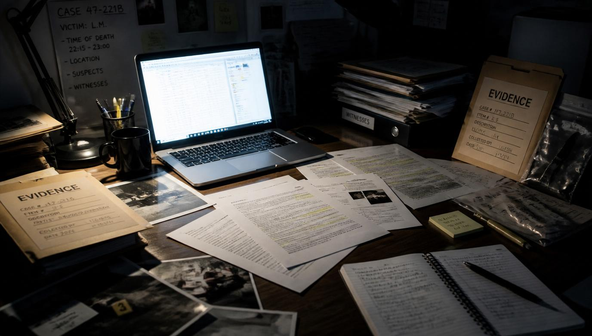
Marcus Webb’s email arrived while I sat surrounded by evidence, his professional tone carrying an undercurrent of urgency. He’d been investigating elder care fraud for eighteen months, following money trails that led back to my mother’s business.
“I believe your family targeted you specifically to prevent exactly this conversation,” he wrote. “Your grandfather’s case fits a pattern we’re seeing across multiple states.”
The validation felt like oxygen after years of suffocation.
The Forensic Deep Dive
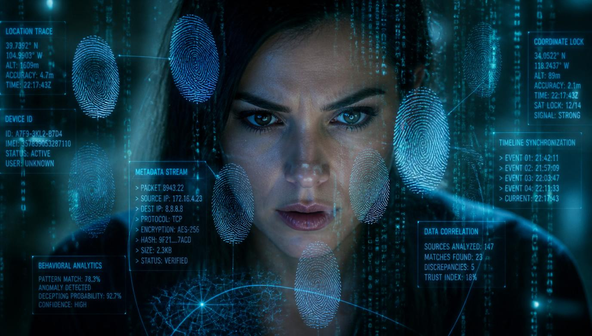
My skills in digital privacy had evolved from survival necessity into sophisticated expertise. I began analyzing the metadata from my family’s voicemails, uncovering location stamps and device information they hadn’t considered.
Sarah had called from three different locations within two hours, suggesting coordinated panic rather than spontaneous concern. My mother’s messages originated from her office computer, not her phone.
Each technical detail painted a picture of calculated desperation.
The Inheritance Documents
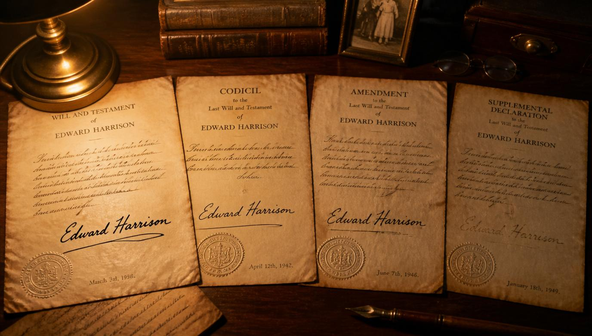
Webb’s investigation had uncovered my grandfather’s original will through probate court records. He’d intended to split his estate equally among his three grandchildren, with specific provisions for long-term care costs.
The will had been modified six times in his final year, each change occurring during periods when my mother claimed his “confusion” was worsening. The signatures showed progressive deterioration that experts would later identify as evidence of exploitation.
My share alone should have been worth four hundred thousand dollars.
The Other Victims
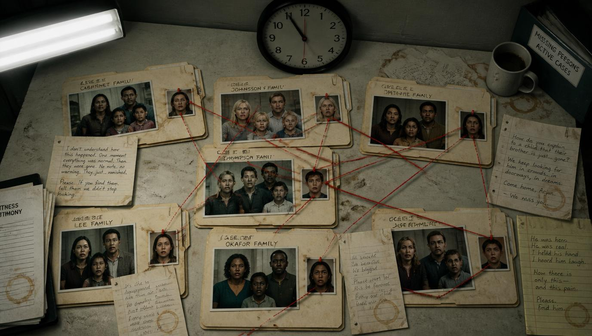
The journalist’s files contained testimonies from seven other families who’d experienced similar systematic isolation campaigns. Adult children suddenly labeled unstable, financial documents altered during medical emergencies, character assassination campaigns that destroyed credibility before victims could seek legal help.
One woman had been institutionalized after questioning her mother’s care costs. Another had fled to Canada after his family convinced local police he was stalking elderly relatives.
The pattern was nauseating in its precision and scope.
The Care Management Empire
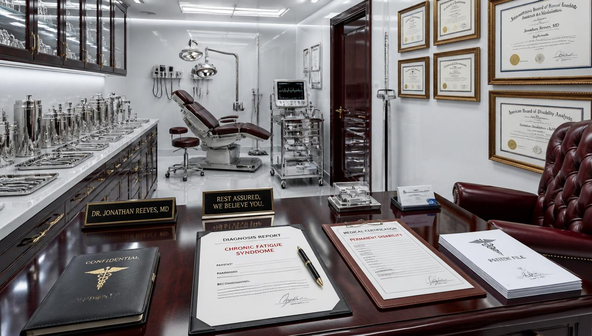
My mother’s business had evolved from legitimate elder care into a sophisticated theft operation. She’d partnered with healthcare facilities, legal firms, and even social workers to identify vulnerable elderly clients with substantial assets.
The network included doctors who would diagnose confusion in healthy patients, lawyers who specialized in rapid power of attorney transfers, and family counselors who would recommend “difficult” relatives be cut off for everyone’s safety.
Webb estimated the conspiracy had stolen over twelve million dollars across four years.
The Panic Timeline
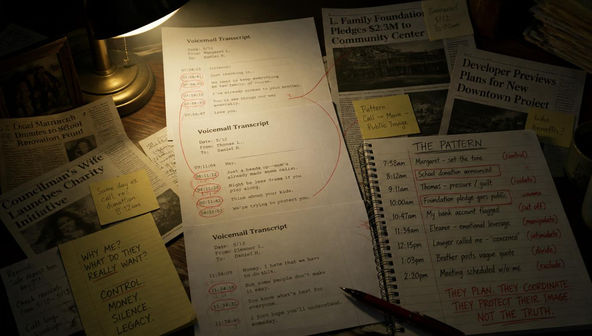
Analyzing the voicemail timestamps revealed the investigation’s impact on my family’s daily routine. My mother’s first call came twenty minutes after Webb’s initial interview with a former employee who’d witnessed document forgery.
Each subsequent message corresponded to new evidence surfacing or additional victims coming forward. Their panic wasn’t about missing me; it was about controlling damage to their criminal enterprise.
The emotional manipulation felt even more poisonous when viewed as calculated strategy.
The Backup Plan Exposed
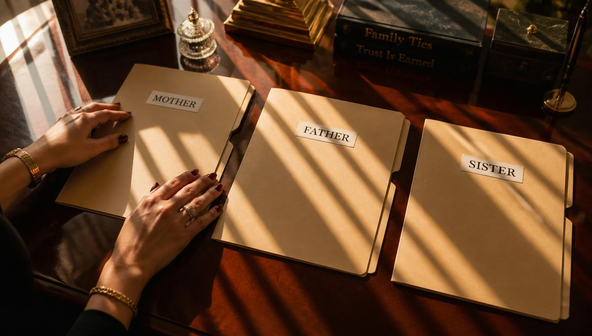
My father’s confused messages revealed my mother’s contingency planning. She’d been preparing to blame everything on his “investment mistakes” and Sarah’s “shopping addiction” while positioning herself as another victim of family financial irresponsibility.
The recordings she’d used to convince him of my instability were just practice for a larger deception campaign. Her own husband was expendable if prosecution seemed inevitable.
The coldness of her calculations made my seven years of exile seem almost merciful by comparison.
The Law Enforcement Contact
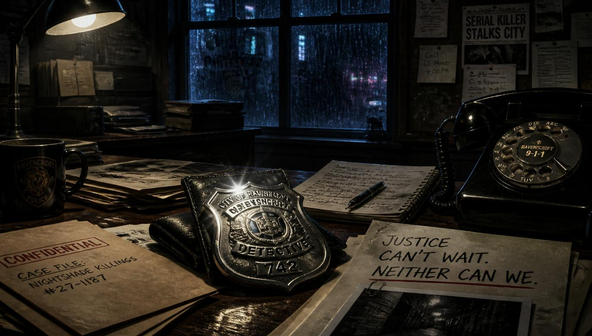
Detective Maria Santos had been working with Webb on the financial crimes investigation. Her voice mail, left on my secure number through the journalist’s introduction, carried the authority of someone accustomed to complex family betrayals.
“We need your testimony to establish the pattern of victim isolation,” she explained. “Your case provides the clearest timeline of how they eliminate threats to their operation.”
The decision to cooperate would mean becoming visible again, risking everything I’d rebuilt.
The Therapy Session Breakthrough

Elena listened to select voicemails with professional composure, taking notes as my family’s manipulation tactics played through her office speakers. Her analysis cut through years of self-doubt with surgical precision.
“They’re still trying to control you through emotional terrorism,” she observed. “Notice how they alternate between fake affection and subtle threats, keeping you off balance.”
The techniques were identical to those used during my original exile, just condensed into digital desperation.
The Support Network Activation
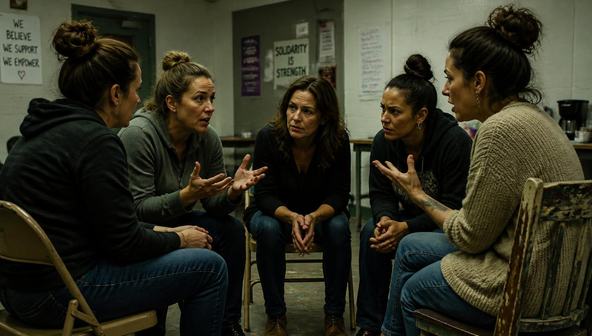
Linda convened an emergency meeting of our survivor’s group, five women who’d escaped various forms of familial financial abuse. Their stories provided context for my decision, each having faced similar choices between safety and justice.
“Running protected you, but it also protected them,” noted Maria, whose brother had stolen her inheritance through elder abuse. “The question is whether you’re strong enough now to stop protecting them.”
The group’s consensus was unanimous: my documentation and Webb’s investigation represented an unprecedented opportunity for systemic change.
The Digital Fortress Check
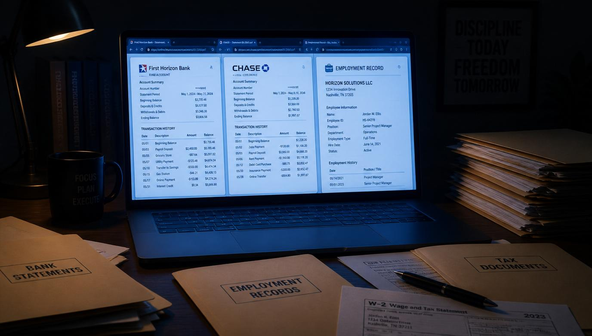
Before making any decisions, I audited every aspect of my Elena Martinez identity. Bank accounts, employment records, lease agreements, and social media presence all remained secure and disconnected from my original life.
Seven years of careful construction had created a nearly impenetrable false identity. I could walk away completely and my family would never find me again.
But my grandfather’s pocket watch, the one that should have been mine, haunted my dreams with its steady ticking.
The Evidence Integration
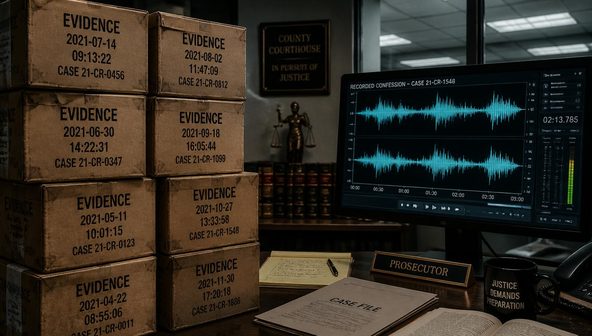
Webb’s team had been building their case for months, but my voicemails provided the missing piece: real-time documentation of the perpetrators discussing their crimes and attempting to manipulate a victim. Combined with financial records and other testimony, the evidence was overwhelming.
“This is the strongest case I’ve built in fifteen years,” Webb admitted during our encrypted video call. “Your family made the mistake of confessing everything while trying to manipulate you back into silence.”
The irony was delicious: their panic had created the evidence needed to destroy them.
The Strategic Decision

Elena’s therapeutic guidance focused on one crucial question: was I seeking justice for my grandfather and other victims, or revenge against my family? The distinction would determine whether cooperation with law enforcement represented healing or continued trauma.
“Revenge keeps you tied to them emotionally,” she explained. “Justice lets you transform your pain into protection for others.”
The forty-three voicemails had shown me who my family really was, but my response would determine who I chose to become.
The Point of No Return

Detective Santos needed an answer within forty-eight hours. The investigation was moving forward with or without my cooperation, but my testimony could mean the difference between plea bargains and significant prison sentences.
My family’s voicemails had stopped completely after message forty-three, suggesting they’d realized their mistake in documenting their desperation. They were probably already crafting new lies about my mental state and motivations.
The choice crystallized into stark simplicity: let them escape justice again, or step back into the light to stop them permanently.
The Grandfather’s Voice

That night, I dreamed of my grandfather’s workshop, the smell of wood polish and the sound of his pocket watch ticking on the workbench. In the dream, he looked directly at me with clear, sharp eyes unmarked by the confusion that had made him vulnerable.
“They stole more than money, little one,” he said in Mandarin, the language of my childhood. “They stole dignity, choice, and memory itself.”
I woke knowing exactly what I had to do.
The Final Recording
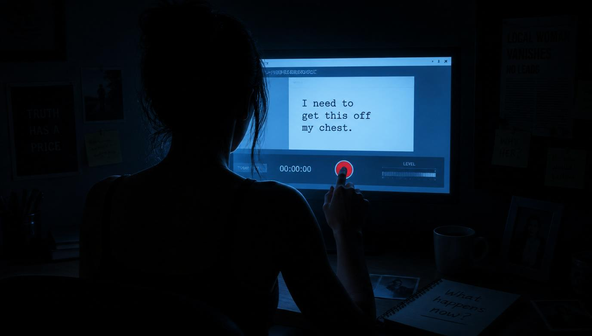
I sat at my desk with a blank audio file open, cursor blinking like a heartbeat. Seven years of silence needed to break with surgical precision.
“Hello Mother. Hello Sarah. Hello Dad.” My voice came out steady, professional, almost cheerful.
“I’ve received your messages and I’m deeply concerned about your mental state.”
The Mirror Language
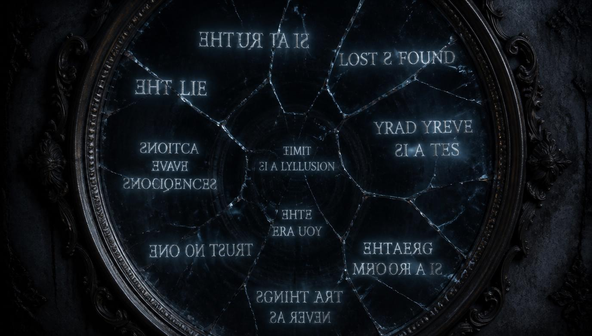
Each phrase I crafted echoed their original exile script with deliberate cruelty. The psychological weapons they’d used against me, now turned back with interest.
“Your erratic behavior and desperate accusations suggest you need professional help. I’m worried about your ability to make rational decisions.”
The words tasted like justice and poison combined.
The Safety Concern
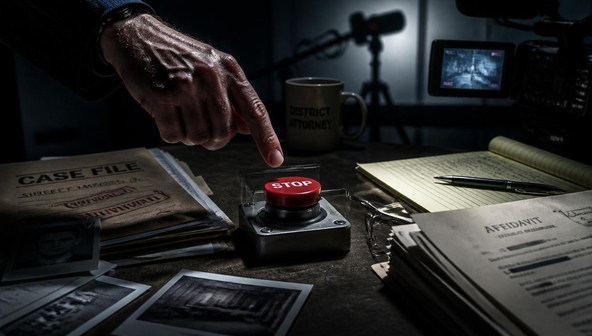
“For my own wellbeing, I need to maintain distance from this toxic situation. Your recent contact attempts feel threatening and unstable.”
I paused the recording, remembering my mother’s voice using those exact words to my landlord seven years ago. The circle was closing with mathematical perfection.
My finger hovered over the stop button, then continued recording.
The Professional Recommendation
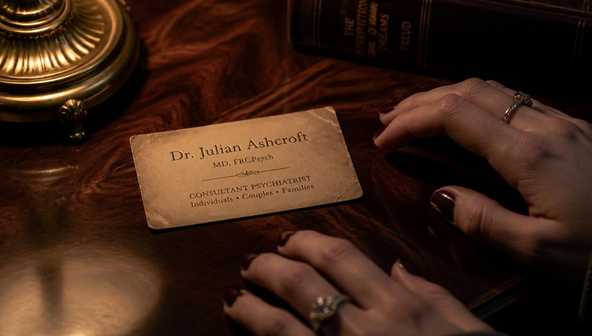
“I strongly encourage you to seek psychiatric evaluation. Perhaps medication could help with these paranoid episodes.”
Sarah’s fabricated text messages flashed through my memory, each lie she’d crafted to paint me as dangerous. Now her own voicemails provided evidence of actual desperation.
The irony was so complete it felt scripted by a cosmic writer.
The Final Boundary
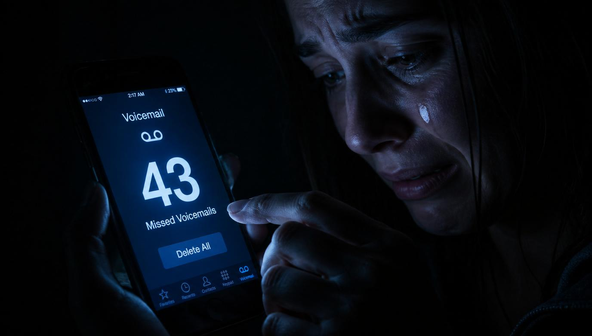
“Any further contact will be considered harassment and reported to authorities. I hope you find the help you clearly need.”
I saved the file three times, checking the audio levels for clarity. This message would be the last communication my family ever received from me.
Their forty-three voicemails deserved exactly one response.
The Distribution List

I copied the message to three separate files, then attached each to individual emails addressed to my parents and Sarah. The timestamp would show they’d all received identical responses simultaneously.
No favoritism, no special consideration, no recognition of their different roles in my destruction.
Just cold, professional dismissal delivered in their own manipulative language.
The Block Protocol
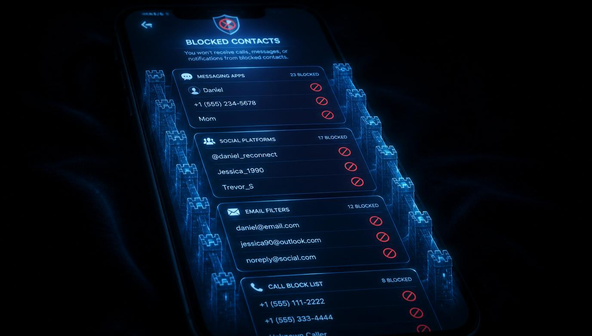
Before hitting send, I prepared the digital equivalent of changing locks. Phone numbers blocked across all platforms, email addresses filtered to spam, social media accounts preemptively restricted.
After seven years of hiding, I was finally strong enough to simply say no.
The nuclear option was surprisingly quiet in its execution.
The Evidence Transfer
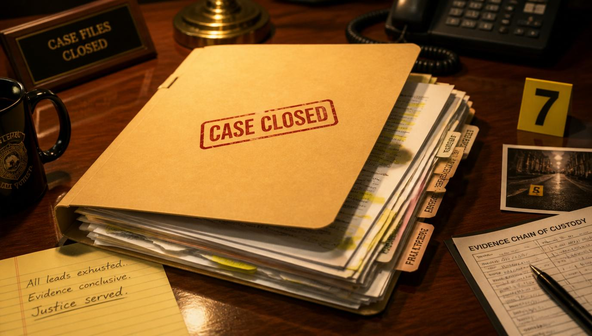
Detective Santos received a secure file containing everything: organized chronologically, cross-referenced, and annotated with my analysis. Seven years of documentation condensed into prosecutable evidence.
My therapist had been right about transforming pain into purpose.
The file upload completed with a soft chime that sounded like closure.
The Media Cooperation
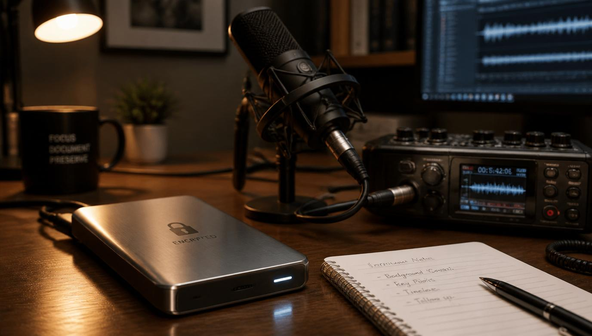
Marcus Webb’s encrypted drive contained my complete testimony, recorded in Elena’s office with professional lighting and audio. Three hours of methodical explanation, zero emotional manipulation.
I’d learned to speak their language: facts, timelines, corroborating evidence.
Let the truth be boring and comprehensive rather than dramatic and dismissible.
The First Aftershock
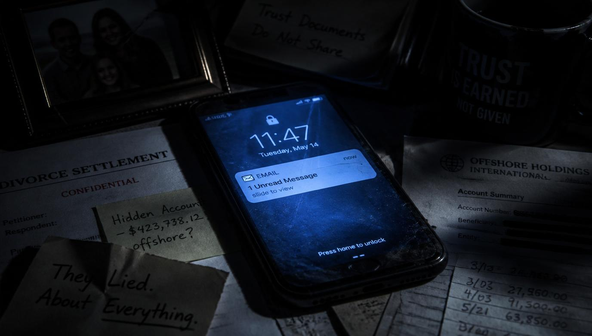
My father’s response came within hours, a rambling email to my old account claiming confusion and begging for phone contact. The message revealed how thoroughly my mother had compartmentalized her lies.
He still believed he was the reasonable one, the peacemaker caught between unstable women.
That delusion would shatter soon enough when Detective Santos arrived with search warrants.
The Strategic Silence
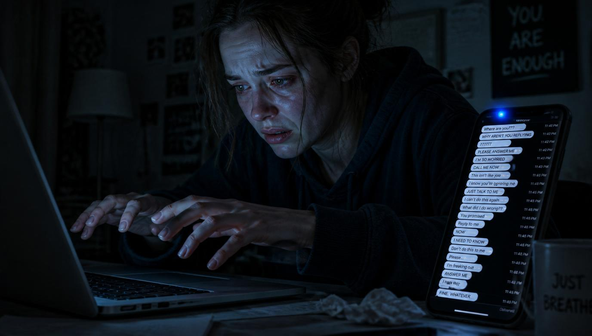
Sarah’s messages escalated from pleading to threatening over six hours, each one providing more evidence of her guilt and desperation. She’d learned manipulation from our mother but lacked the older woman’s calculated patience.
Her panic was destroying their coordinated defense in real time.
I documented everything and forwarded copies to law enforcement without responding.
The Investigation Acceleration
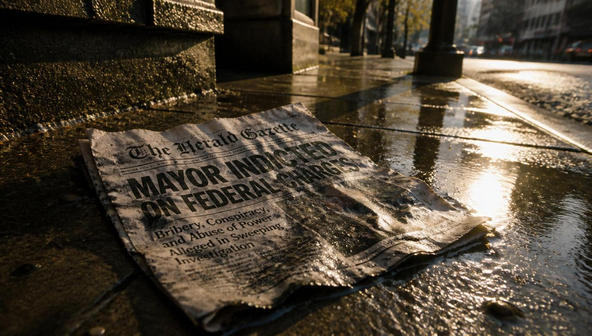
Webb called to report that three more victims had come forward after seeing news coverage of the investigation. My family’s name recognition in elder care circles was backfiring spectacularly.
“Your response strategy worked,” he said. “They’re melting down publicly while you remain completely credible.”
The vindication felt distant but satisfying, like watching weather from inside a warm house.
The Criminal Charges
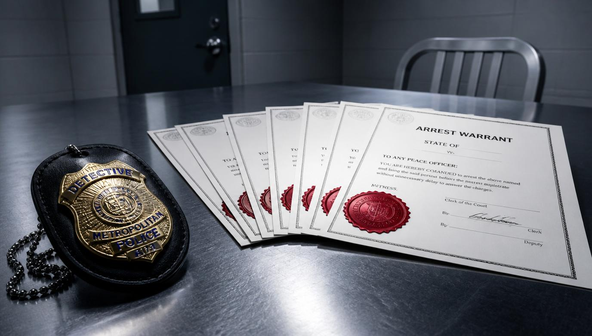
Detective Santos left a voicemail confirming arrest warrants had been issued. Financial crimes, elder abuse, conspiracy, and fraud across state lines.
My mother and sister would be facing federal prosecution with mandatory minimum sentences.
The justice system I’d once thought would protect me was finally catching up to their crimes.
The Therapeutic Processing
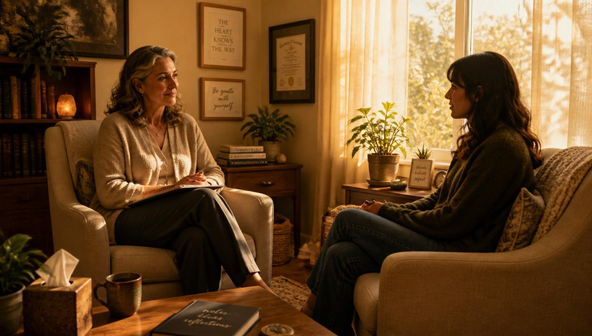
Elena helped me understand that sending the mirror message hadn’t been cruel, but necessary. Setting boundaries with manipulative people required their own language of force.
“You didn’t become them,” she explained. “You simply refused to be their victim anymore.”
The distinction felt crucial as I watched my family’s world collapse through news reports.
The Grandfather’s Justice
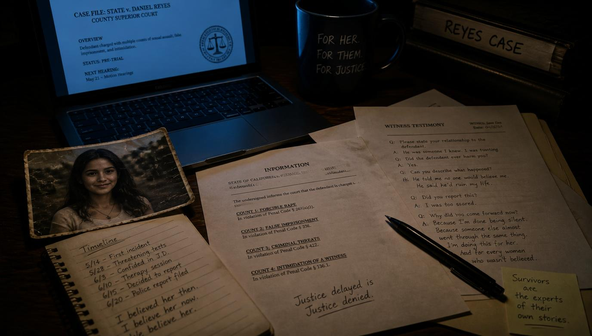
That night, I placed my grandfather’s photograph on my desk next to the legal documents Webb had recovered. The pocket watch was still missing, probably sold years ago.
But his dignity was being restored through every charge filed and every victim who found courage to speak.
The workshop in my dreams was finally quiet, his restless spirit at peace.
The Public Revelation
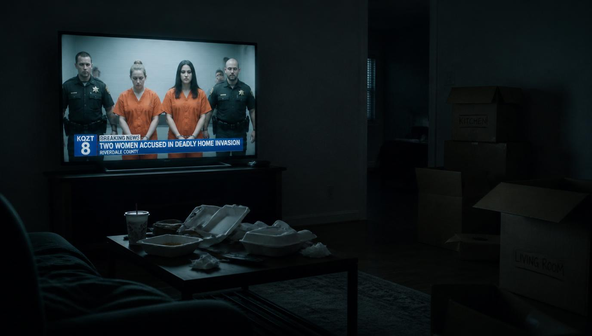
Six months later, the news coverage felt surreal to watch. My mother and Sarah’s faces appeared on screen during the sentencing, flanked by federal marshals.
“Margaret Chen received eight years for elder abuse and financial fraud,” the reporter announced. “Her daughter Sarah Chen-Morrison received six years for conspiracy and money laundering.”
I sat in my apartment, seven states away, finally seeing my family’s true nature exposed to the world.
The Hollow Victory

The vindication I’d imagined for seven years tasted like ash. No amount of public justice could restore the person I’d been before their betrayal.
My lost years remained lost. The relationships they’d poisoned couldn’t be resurrected with newspaper headlines.
Victory felt more like exhaustion than triumph, a marathon finished by crawling across broken glass.
The Father’s Desperation
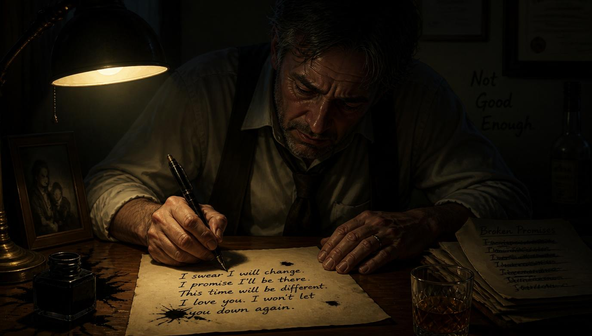
My dad’s final attempt at contact came through Elena’s office, a desperate letter claiming he’d been manipulated too. He insisted we were both victims who should heal together.
“I never understood what your mother was doing,” he wrote. “We can rebuild our relationship now that the truth is out.”
But his willful blindness had enabled every crime, and forgiveness felt like another trap waiting to spring.
The Identity Question
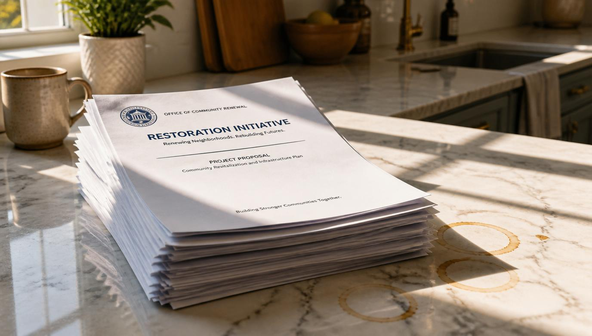
Legal documents arrived offering to restore my original name now that my reputation was cleared. The paperwork sat untouched on my kitchen counter for weeks.
Lina Chen had died seven years ago in that apartment hallway. I’d built myself into someone new, someone stronger.
Reclaiming my old identity felt like stepping backward into a grave I’d already escaped.
The Nonprofit Vision

Instead of looking backward, I channeled my experience into something forward-facing. The website for Financial Family Abuse Recovery took three months to build.
Other victims needed what I’d learned about digital privacy, evidence collection, and legal advocacy. My trauma could become their roadmap.
The first inquiry arrived within hours of going live, a woman whose story echoed mine with terrifying precision.
The Recognition Pattern
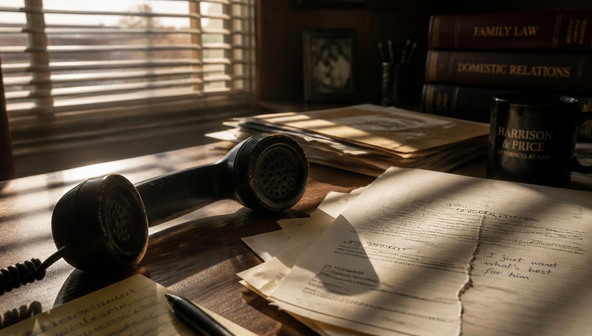
“My son says I’m losing my mind,” the caller sobbed. “But I know someone’s stealing from my accounts. My daughter insists I need psychiatric care.”
The familiar manipulation tactics made my skin crawl with recognition. Another family was implementing the same playbook.
I scheduled her consultation immediately, already mentally organizing the evidence collection strategy she’d need.
The Survivor Network
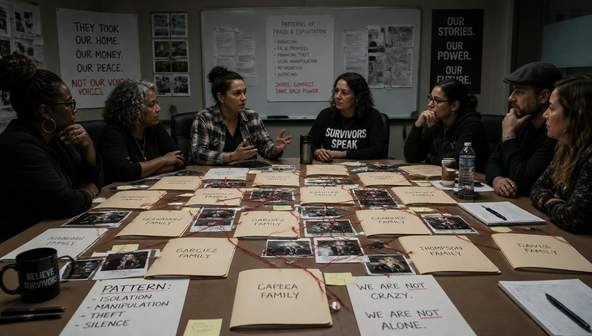
Within three months, twelve families had contacted us with similar stories. The pattern was always identical: one family member isolated through false mental health claims while others looted finances.
My case had apparently inspired copycat investigations across multiple states. Detective Santos called it an epidemic hiding in plain sight.
The scope of familial financial abuse was staggering once you knew the warning signs to recognize.
The Therapeutic Breakthrough

Elena helped me understand that my family’s destruction didn’t heal me, but my response to their destruction did. Building something helpful from something harmful was true recovery.
“You’ve transformed from victim to advocate,” she observed. “That’s not about them anymore. That’s about who you chose to become.”
The distinction felt like the difference between surviving and actually living for the first time.
The Digital Fortress
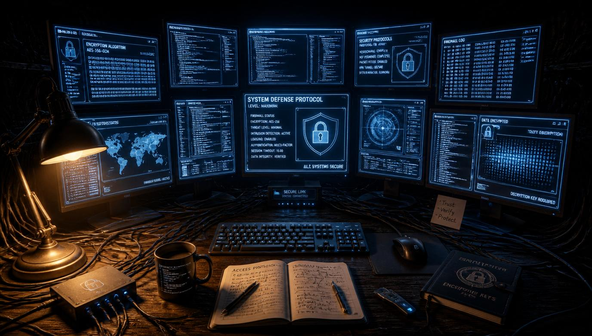
My new life included security measures that would have seemed paranoid years ago. Encrypted communications, financial privacy tools, and digital footprint management were second nature now.
But these weren’t hiding strategies anymore. They were professional tools for protecting other victims.
The skills my family’s persecution had forced me to develop were now helping others escape similar traps.
The Anniversary Date
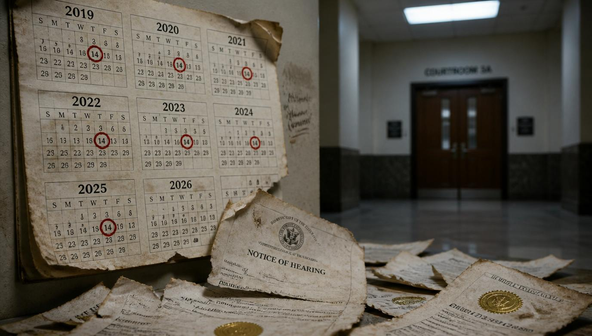
Seven years to the day after my exile, I received the final legal notice. My family’s civil lawsuits had been settled, their assets liquidated to compensate victims.
They’d lost everything they’d stolen from my grandfather and more. Multiple families would recover money that had been taken.
Justice was mathematically complete, even if emotionally it felt incomplete and strange.
The Graduate Student
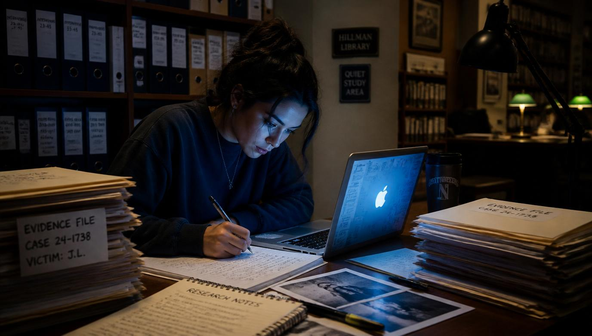
A criminology researcher contacted me about studying familial financial abuse patterns. Her dissertation would use my case as a primary example of systematic isolation tactics.
“Your documentation is extraordinary,” she said. “Most victims don’t have this level of evidence preservation and analysis.”
My obsessive record-keeping had accidentally created a textbook case study for future investigators.
The Documentary Proposal
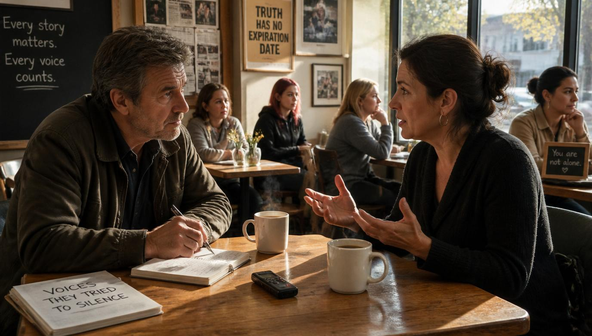
Marcus Webb called about a production company interested in our story. The documentary would focus on elder abuse and family manipulation rather than personal drama.
“Your choice completely,” he said. “But this could help a lot of people recognize the warning signs.”
I agreed on the condition that other survivors would share their stories too, making it about patterns rather than personalities.
The Restraining Order
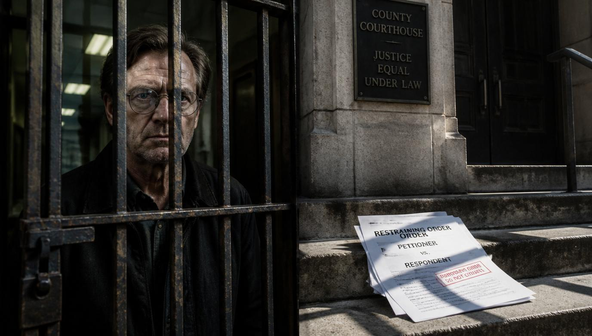
My father’s increasingly desperate contact attempts through mutual acquaintances finally crossed legal boundaries. The restraining order felt like completing a circle.
Now he experienced the legal isolation he’d once helped impose on me. The symmetry was perfect and depressing.
Some people never learned that manipulation wasn’t love, no matter how many consequences they faced.
The New Name Decision
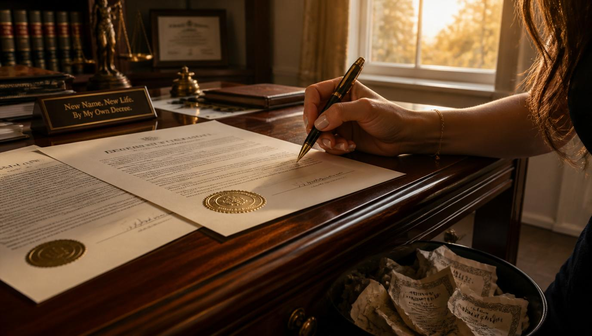
I filed the paperwork to make my chosen name permanent, officially abandoning any connection to my birth identity. The court clerk smiled as she stamped the final documents.
“Starting fresh?” she asked kindly. I nodded, though fresh wasn’t accurate anymore.
I wasn’t starting anything. I was continuing something I’d built carefully over years of deliberate choices.
The Letter That Changed Everything

The envelope arrived on a Tuesday, handwritten address with careful cursive. Inside was a single page from someone named Jennifer in Oregon.
“I saw the news story about your family’s conviction. The same thing happened to me three years ago, but I had no proof and no one believed me.”
She needed help organizing evidence against her siblings who were stealing her inheritance while claiming she was mentally incompetent.
I called her that evening and spent two hours walking through evidence collection strategies. By the end of our conversation, she was crying with relief.
“I thought I was going crazy,” she whispered. “Thank you for showing me I’m not alone.”
That phone call felt like the real ending to my seven-year journey. Not revenge, not vindication, not justice served, but connection restored on my own terms.
The next morning, I updated our website with expanded resources and scheduled three more victim consultations for the week. My family had tried to erase me from existence, but instead they’d accidentally created someone who could prevent others from disappearing.
The work was just beginning, and for the first time in seven years, that felt like a promise instead of a threat.


