
The Story Starts Below!
The Lake Before Anyone Arrives
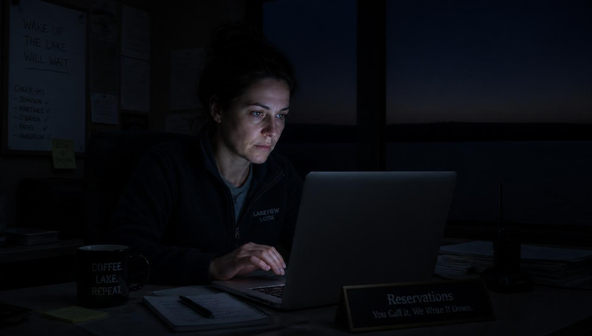
I am always the first one here.
The gravel under my tires makes the same sound it has made every morning for six years, a soft, deliberate crunch that the rest of the world is still too asleep to hear.
I park in the same spot beside the service entrance. I pull my laptop bag from the passenger seat.
The lake is flat and colorless at this hour, holding the sky like a mirror that hasn’t decided what it wants to reflect yet.
I stand there for exactly one moment. Then I go inside and start working.
What the Calendar Looks Like in April
There are fourteen events booked between now and August.
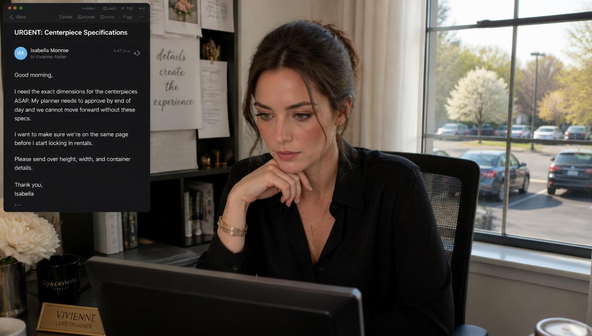
Three of them have active vendor concerns flagged in the system. One bride has emailed twice in the last week about her floral centerpiece specs, and I know from her communication pattern that a third email is coming by Thursday.
I open my laptop at the desk in the venue’s back office.
The booking platform loads clean and fast, the dark blue sidebar organizing everything into columns I designed two years ago when the old spreadsheet finally collapsed under the weight of what we were asking it to do.
Robert has never asked how it works. He has simply watched it work, which is not the same thing.
What My Father Does in the Mornings

He arrives around ten.
Sometimes ten-thirty. He comes through the front entrance rather than the service door, which tells you something about how each of us understands our relationship to this place.
He is charming before he has finished his first coffee.
That is not a small thing. Genuine warmth at that hour, unrehearsed and consistent, is rarer than people admit, and my father has always had it.
He asks me how things look. I tell him. He nods with the satisfied expression of a man who has confirmed that his house is in order.
The Business My Mother Built With Him
Calloway Cove was their project together.
My mother, Carol, was the one vendors called by first name. She remembered their children’s ages, their anniversaries, which caterer was going through a difficult divorce and needed patience built into the communication schedule.
She made the venue feel like a relationship rather than a transaction.
When she died six years ago, that quality of presence did not simply evaporate. It migrated. I absorbed it the way a building absorbs heat, slowly, completely, without anyone marking the moment it happened.
The Thing I Tell Myself About This

I have a version of this arrangement that I keep polished and ready.
It goes like this: my father sees what I contribute, even if he does not say so. Reliability is its own language. A man who depends on his daughter this completely must, somewhere underneath the silence, know what she is worth.
I have believed this for six years.
I have believed it the way you believe in the structural integrity of a floor you have never had reason to test.
What I Rebuilt From Scratch

The booking system started as a paper calendar and a spreadsheet that crashed every time someone tried to add a new vendor column.
I spent four months building the replacement. I licensed the platform, configured the backend, mapped the client communication workflows, and integrated the vendor contact system so that nothing existed in isolation.
I did this on my own laptop, at my own kitchen table, between midnight and two in the morning.
Nobody asked me to. Nobody thanked me when it was finished. The events simply started running more smoothly, and the smoothness was mistaken for effortlessness, which is the most expensive mistake a business can make.
Delia and the Flowers

Delia Marsh runs her florist collective out of a converted warehouse twenty minutes from the lake.
She has soil on her hands every single time I see her, a faint dark line under her thumbnail that never quite disappears, and she talks about flowers the way engineers talk about load-bearing structures.
I found her three years ago when our previous floral vendor raised prices and dropped quality in the same quarter.
I negotiated the collective’s contract myself, over three meetings and one lunch where Delia decided she trusted me specifically, not the venue, not the Calloway name, but me.
The cost reduction was thirty percent. The quality improved visibly enough that two brides mentioned the flowers by name in their reviews.
Tom Wexler and the Light He Looks For
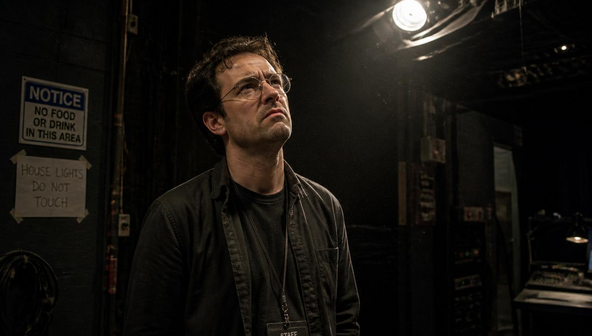
Tom always arrives at venues early to check the light.
He has a particular expression when the light is wrong, a slight flattening around his eyes, like he is being asked to solve a problem he did not create.
I met him at a regional wedding fair four years ago, where he was standing in a corner looking at the room’s overhead lighting with that exact expression.
I introduced myself. I told him about the lakeside ceremony space and the way the afternoon sun moved across it from late May through September.
He came to see it the following week and has been endorsing the venue ever since, not because I asked him to, but because the light is genuinely right.
The Premium Package No One Knows I Designed
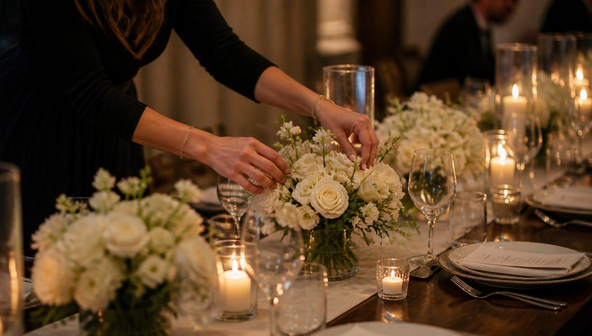
The lakeside ceremony package, the one booked eighteen months in advance, the one brides mention in the first inquiry email as the reason they reached out, was my idea.
It did not exist before I built it.
I wrote the package description, priced the tiers, identified the upsell components, designed the vendor coordination sequence, and photographed the space myself one October morning when the trees were at their fullest color and the dock caught the sun at exactly the right angle.
Robert announced it at a regional bridal expo as a new offering from Calloway Cove.
He was not lying. He simply did not know the difference between the venue having done something and me having done it.
My Cousin Marissa in a Room

The thing about Marissa is that rooms change when she enters them.
Not dramatically. Not with fanfare. The change is subtler than that, a slight reorientation, the way people’s shoulders shift when a window opens and the air quality improves without anyone consciously noticing.
She is twenty-six and she has honey-blonde hair that always looks like she has been somewhere with good light.
She loves our family with the easy uncomplicated affection of someone who has never needed the family to be anything other than what it appeared to be.
I do not blame her for this. It is genuinely not her fault that she was handed everything I was not.
What She Has That I Don’t

Marissa has forty thousand followers on a lifestyle platform where she posts linen tablescapes and golden-hour walks and captions about slowing down.
The content is beautiful. It is also the complete surface of the work, which is not a criticism, exactly, just an observation about depth.
She has been talking to Robert about the venue for months, dropping ideas at family dinners, and watching him light up in the specific way he lights up when something feels modern and energized.
I track vendor contracts and chase down HVAC repair quotes.
These are not equivalent forms of contribution, but they live inside the same business, and only one of them gets mentioned at dinner.
The HVAC Summer
Three summers ago, the venue’s main cooling system failed on a Friday in July, forty-eight hours before a two-hundred-guest wedding.
There was no business account reserve large enough to cover an emergency repair on that timeline.
I paid for it myself.
Not with resentment, not with the performance of sacrifice, just with the practical understanding that the event could not fail and the calculation that I was the only person positioned to prevent it from failing.
Robert does not know this happened. I absorbed the cost and the information simultaneously, and the wedding ran without incident, and the bride cried at the altar in the good way, and none of that had anything to do with him.
What I Consider a Good Day

A good day is when the system runs clean.
When the vendor confirmations come back in sequence, when the client communication log shows nothing overdue, when the lakeside chairs are arranged correctly before I have to mention it.
It is not exciting. I stopped requiring it to be exciting approximately four years ago.
But there is something in it, in the specific competence of making a complicated thing run smoothly for people who will remember their event for the rest of their lives, that I have never been able to name accurately.
I love it, is the closest I can get. I love the work itself.
The Birthday Dinner Announcement
Robert mentions it on a Tuesday in late April.
He is at the front desk looking at something on his phone when I come in, and he glances up with the easy smile and says there will be a family dinner at the end of the month, his birthday, at the venue.
He says he would love for me to handle the arrangements.
He says this the way you say it to someone reliable, warmly, without registering that what you are describing is your daughter organizing a celebration for the father who has never organized anything for her.
I write it in the system under venue events. I begin building the vendor coordination list.
The Belief That Holds Everything Else Up

The truth about the belief is that I need it to be true.
Not because I am weak, but because the alternative, that my father has looked at me every day for six years and genuinely not seen what I carry, is a weight I have not been ready to hold.
So I keep the belief polished.
Reliable is its own language. Dependence is a form of recognition. The floor is sound.
I set up the booking entry for the birthday dinner, choose the florals, confirm the musical act, and tell myself that it will be a nice evening.
I am very good at running things.
I am less good at knowing when to stop.
What the Birthday Dinner Requires
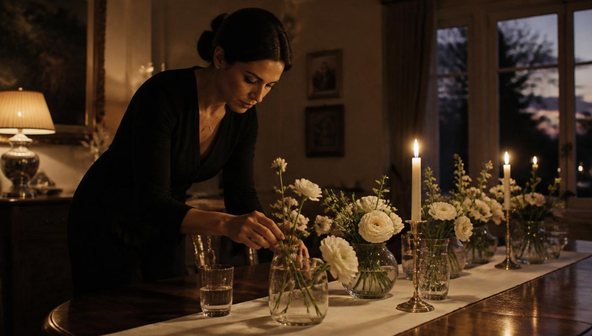
The catering coordinator needs a final headcount by Friday.
I send the confirmation email at seven-forty in the morning, before Robert has finished driving to the venue.
The florist arrangement requires four centerpiece clusters, white and pale green, low enough that the table conversation flows unobstructed.
I have ordered these before. I know exactly what they should look like.
Delia texts back within the hour. She always does, for me.
Who Is Coming
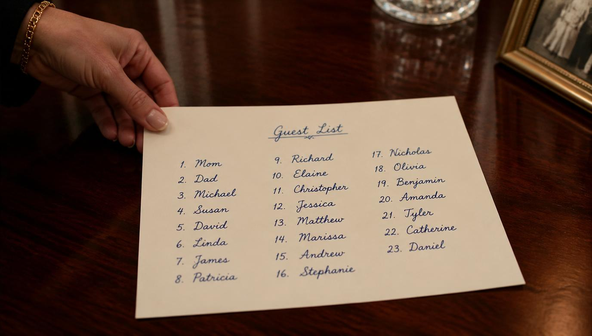
Robert forwards me a guest list with twenty-three names and a note that says *probably a few more, you know how it goes.*
I build the seating chart anyway, accounting for the extra chairs.
The list includes six extended family members, four old venue clients, two regional business contacts I recognize from the chamber of commerce, and Marissa.
Marissa’s name sits inside the family cluster, unremarkable.
I assign her the seat beside Robert without thinking about it, because that is where she always ends up.
The Musical Act

I book a guitarist who plays acoustic standards, the kind of music that sits under conversation without demanding anything from it.
He has played two previous venue events and knows to keep the volume calibrated to the room.
Robert does not know I found him, or what he charges, or that I negotiated a reduced rate in exchange for a standing invitation to scout the property for his own portfolio.
The agreement took ten minutes.
It will sound like it cost three times what it did.
The Thing That Arrives Thursday
The third email from the bride about her floral centerpieces arrives Thursday at eleven-fourteen, exactly as I predicted.
Her name is Grace, and she is not a difficult client. She is simply a woman who needs to feel that someone is holding the details with the same seriousness she is.
I respond within twenty minutes with specific language about stem height and vessel shape.
I CC nobody. This email, like all the others, is between me and her.
How Robert Finds Out About the Dinner Details

He asks me Friday afternoon how the birthday arrangements are coming.
I tell him the catering is confirmed, the florist is locked, the music is arranged.
He says, *wonderful,* in the tone of a man receiving a gift he ordered himself and forgot he ordered.
Then he asks if I remembered to invite his friend Gerald from the chamber, and I show him Gerald’s name, third from the bottom of the confirmed list.
He nods. He says, *you always think of everything.*
This is the closest thing to a compliment I will receive before the dinner.
What Marissa Posts the Week Before

She posts a photograph of the venue’s dock from a visit I did not know she was making.
The image is golden-hour light on the water, her hand trailing over the dock railing, the trees at their softest green behind her.
The caption says: *exciting things ahead, more soon.*
Forty-seven hundred people like it by morning.
I look at the photograph longer than I mean to.
The dock is beautiful. It is also a place I have stood alone at five-thirty in the morning more times than I can count, in the cold, before anyone else arrived, watching the lake decide what it wanted to be.
The Day Before

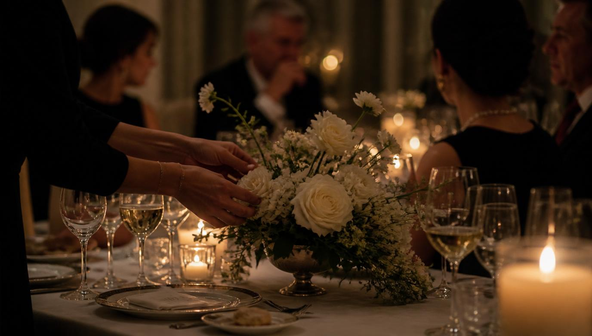
I walk every inch of the private dining room at four in the afternoon, the day before the dinner.
The chairs are aligned. The linens are pressed. The centerpieces will arrive fresh the morning of, per the agreed delivery window.
I straighten one of the brass candle holders that has shifted slightly.
I check the sound system the guitarist will use.
I stand at the head of the table for one moment and try to imagine what it would feel like to sit in that chair and be celebrated.
I cannot quite get there.
Morning of the Dinner
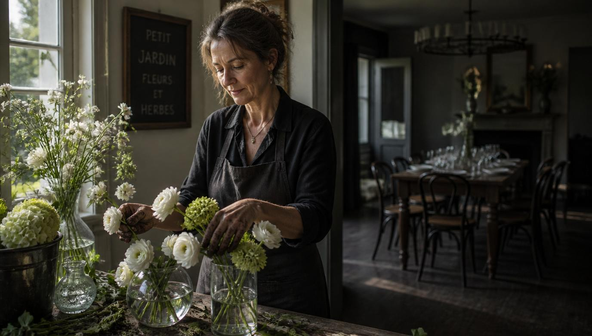
Delia arrives with the arrangements at eight forty-five, which is fifteen minutes ahead of schedule.
She sets each one down with the careful economy of someone who respects what she is handling.
She looks at the room when she is finished and says, *this is going to be a beautiful night.*
I agree with her.
She tilts her head slightly, the way she does when she is reading something between the stated words.
She says, *you did all of this, didn’t you,* and it is not quite a question.
What I Say to Delia

I say yes.
She nods once, the slow kind of nod that means she is filing information somewhere she will use later.
She does not say anything else about it, and I do not need her to.
That is the thing about Delia. She sees the transaction without requiring it to be explained.
I walk her out through the service entrance and watch her van pull off the gravel and think about how rare it is to be seen accurately by anyone.
The First Hour of the Dinner

The room fills with exactly the warmth Robert produces in rooms when he is at his best.
He shakes hands and touches elbows and laughs at the right moments, and old clients look at him with the particular fondness of people who remember something they loved.
I sit near the end of the table and work the logistics of the room without appearing to.
I signal the server when the bread needs replacing. I intercept a vendor text at the soup course and resolve it in four words.
I straighten the centerpiece that begins to list between the salad and the main.
Nobody sees it listing. Nobody sees it straightened.
Marissa at the Table

She is wearing something pale gold, and the candlelight finds her the way good light always finds her.
She has Robert laughing within ten minutes of sitting down, the unguarded laugh he mostly keeps for people who ask nothing difficult of him.
They have been building an inside joke for the last week, something about a reel she wants to film on the dock, and I can hear the shape of it even from where I am sitting.
She mentions *exciting venue ideas* to the relatives nearest her.
Three of them lean forward with interest.
The Toast Begins

Robert stands and the room quiets with the expectant warmth of a crowd that already likes the speaker.
He thanks the clients. He thanks the family. He pauses at Carol’s name the way he always does, a full beat, and the room holds it with him.
Then he looks toward our end of the table, and I feel something shift very slightly in my chest.
I allow myself, for exactly one moment, to believe that what comes next will be different from every other time.
What He Says

He does not say my name.
He says that he looks at Marissa and thinks she should have been his daughter, and he says it with the comfortable warmth of a man distributing generosity that costs him nothing.
The room gives him a sound that is mostly laugh, partly something else, the specific social noise of people who feel the edge of something without wanting to name it.
Marissa smiles the reflex smile.
The relatives nearest me study their plates.
I sit completely still, and the centerpiece I straightened does not move, and the bread on the table is fresh, and the music is perfectly calibrated, and none of it has my name on it, and I finally understand that it never will.
The Parking Lot

I excuse myself between courses.
The hallway is cool and the side exit is unlocked because I unlocked it this morning during my walkthrough, which is the kind of detail that only registers as ironic now.
The gravel is the same sound it always is under my feet.
I make it to my car before anything breaks open, and then it breaks open completely, the way things do when they have been sealed too long under too much pressure.
I am crying in my own parking lot, which I also maintain, at an event I organized, for a father who just told a room full of witnesses that he wished someone else was his daughter.
What the Laptop Shows Me

I drive home.
I do not go back into the dinner, because there is nothing left in that room that belongs to me in any way that matters.
I open my laptop at the kitchen table, not to fix anything, but to look.
The booking platform loads clean and fast, the dark blue sidebar holding all of it: fourteen events, eighteen months of advance reservations, three years of vendor infrastructure, six years of invisible work that has been mistaken, consistently and completely, for the natural order of things.
I sit with it for a long time.
The floor I have been standing on was never unsound.
It was just never mine.
What I Actually Built
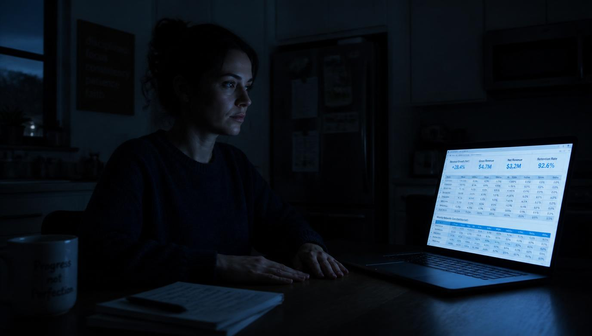
I stay at the kitchen table until two in the morning.
Not grieving. Looking.
The booking platform has a reporting function I configured in the second year, and I run the numbers the way I have not let myself run them before.
Revenue growth: sixty-one percent over five years.
Client retention rate: eighty-eight percent in a market where forty is considered healthy.
The Vendor Thread I Never Forwarded
There is an email thread in my sent folder from fourteen months ago.
I had contacted eight vendors on the same afternoon, restructuring payment windows to protect the venue’s cash flow during a slow booking quarter.
Robert never knew there was a slow booking quarter.
He was in Asheville that week, visiting his college roommate.
I smoothed it before he returned, the way you smooth a tablecloth before a guest sits down.
The Name on the Account

I click into the booking platform’s account settings for the first time in probably two years.
The primary account holder reads: Vivienne Calloway.
My personal email address. My billing card.
When I set it up, I did this practically, because I was the one managing it and it made administrative sense.
I did not understand until this moment that I was also, technically, holding the key.
What the Silence Costs

I close the laptop eventually and sit in the dark.
The crying is finished. What remains is something quieter and more permanent than crying.
I think about all the mornings I arrived at the venue before Robert, before anyone, and stood on the dock watching the lake.
I thought I was doing that for myself. Now I am not sure I was doing anything for myself.
The Vendor Contact I Missed
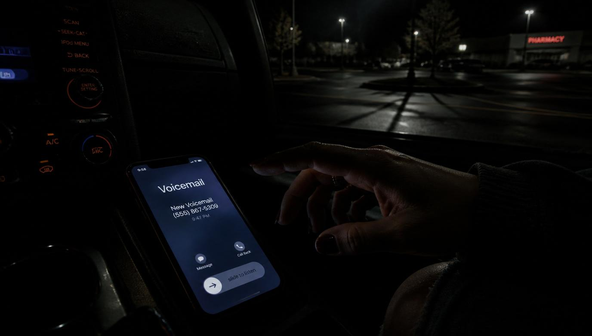
My phone shows a missed call from a number I recognize: Paul Gerrard, the catering coordinator.
He called at nine-forty-seven, while I was still in the parking lot.
He left a voicemail that says he has been contacted by someone at the venue about a quote for a new contract structure, and he wants to confirm it came from me.
I play it twice.
It did not come from me.
Who Else Was at That Dinner

I pull up my mental seating chart, the one I built last week.
Two of the business contacts at the dinner were investors Robert has been courting for the venue’s next phase.
I know this because I processed their introductory emails when they came through the general venue inbox six months ago.
I flagged them for Robert. I filed them. I forgot that filing things for Robert means removing them from my own awareness.
What Delia Knows That I Don’t

I text Delia at eight the next morning, which is earlier than I normally would.
I ask her, without preamble, if anyone from the venue has reached out to her recently about the account.
She calls me instead of texting back, which is her version of urgency.
She says someone named Marissa called her two weeks ago, asking about the collective’s rate structure and whether there was flexibility for a new arrangement.
What Delia Said to Marissa
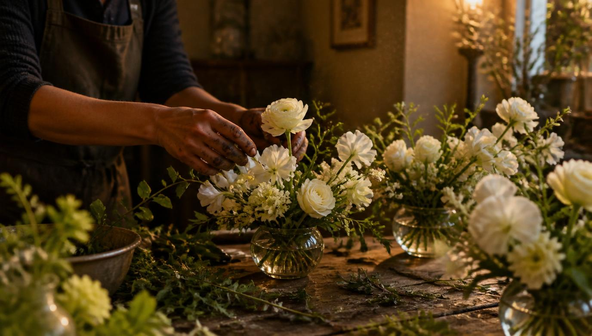
Delia told her the rates were set through an existing relationship.
She did not say my name, but she made clear the relationship was personal and not institutional.
Marissa thanked her and said she was just exploring options, just getting a feel for things, and Delia told me she found the conversation strange in a way she couldn’t place at the time.
She can place it now.
The Shape of It

When I hang up with Delia, I sit on the edge of my bed and look at the floor.
It is not that I was being replaced. That word is too active, too intentional.
It is that Robert had been building a new story, and in that story I was not the architect.
I was not even the building. I was just the weather that had kept the structure dry.
The Accordion File

My maternal grandparents’ estate documents are in the closet, inside a brown accordion file with a worn brass clasp.
I have looked at them once, briefly, after the funeral, and I remember Robert putting his hand on my shoulder and saying *it’s all straightforward, I’ve had it handled.*
I believed him.
I have believed him about most of the facts of my own life for thirty-one years, and I am now sitting on my bed at eight-fifteen in the morning understanding that this was its own kind of failure.
What My Grandfather’s Handwriting Looks Like

The label on the folder inside the accordion file is in blue ballpoint, old-fashioned and deliberate.
It reads: *Vivienne — property matters.*
His handwriting was always like that, precise and without flourish, the handwriting of a man who meant things to be clear.
I don’t know why he labeled it for me specifically. I don’t know what he knew about Robert that made him careful.
The Clause on Page Nine
I am not a property attorney, but I am a person who has read hundreds of contracts.
The language on page nine is dense but not impenetrable, and I read it three times with the particular focus I bring to anything that matters.
My grandparents structured their contribution to the original property purchase with a protected stake, designated to me specifically, which cannot be dissolved without my written cooperation.
Robert has been managing this property for six years as though he owns it outright.
What I Don’t Do Next

I do not call Robert.
I do not call Marissa.
I sit at my kitchen table with the document in front of me and my laptop open beside it, and I think about the word *tactical*, which is not a word I have historically associated with myself.
I have always been strategic in service of other people’s goals.
It occurs to me now that strategy applied to my own interests might feel exactly the same from the inside.
The Thing Delia Said at the End
Before we hung up, Delia said one more thing.
She said: *you know the work followed you, not the other way around.*
I didn’t answer right away, and she let the silence sit, which is what people who genuinely care about you do.
She meant the vendor relationships. She meant the referrals. She meant the whole invisible network I had been building, apparently, in my own name without knowing it.
What I Decide Before I Sleep

I look at the platform. I look at the document. I look at the phone that still has Paul Gerrard’s voicemail on it.
Nobody has taken anything from me yet.
But I understand now that the plan has been laid, quietly, in the comfortable confidence of people who assumed I would not look closely enough to see it.
I close the accordion file and set it beside my laptop, and I think: *I have been patient my entire life. It turns out patience has more than one use.*
The Attorney’s Number

I find Patrick Nguyen through a referral from Delia, who knew him from a commercial lease dispute three years ago.
She described him as someone who listens before he speaks, which is rarer than it should be.
I call his office at nine in the morning and reach a receptionist who asks, without inflection, what the matter concerns. I say: inherited property stake, possible contested ownership. There is a pause, and then she schedules me for Thursday.
What I Bring to the Meeting

I bring the accordion file, the clause on page nine, and a printed summary I typed at midnight.
The summary is two pages, single-spaced. It covers the property purchase timeline, my grandparents’ contribution, and Robert’s six years of unilateral management.
Writing it made something clarify inside me that had been cloudy since the parking lot.
When you describe something in plain declarative sentences, it stops feeling like a feeling and starts being a fact.
What Patrick Nguyen Does First

He reads quietly for four minutes while I sit across from him.
He does not make reassuring sounds or fill the silence.
When he finishes, he sets the pages down and looks at me with the measured attention of someone who has learned that the first thing a client says unprompted is usually the most important thing.
He asks: *how long have you known about this clause?*
What I Tell Him

I say I found it three days ago.
He nods as though this is the answer he expected, and I realize he was gauging something about my state, not about the timeline.
He says the language is unusual but enforceable. He says my grandparents were careful people who structured this with deliberate intent.
He says the phrase *cannot be dissolved without written cooperation* is doing significant legal work.
What He Tells Me About My Options
He outlines three paths in plain language, without loading any of them.
I can assert the stake formally, which initiates a legal conversation with Robert whether he is prepared for it or not.
I can preserve my position quietly and act only if threatened. Or I can use the knowledge as context in a negotiated conversation before anything becomes adversarial.
He does not recommend. He says: *what kind of resolution do you actually want?*
What Kind of Resolution I Actually Want

I sit with the question for a moment that probably looks longer than it feels.
I do not want to destroy the venue. I loved the venue. I love the lake at six in the morning and the particular problem of making an event run clean.
What I want is accurate accounting. I want the mechanism to stop being invisible. I want my name attached to what my name built.
I tell him: quiet preservation for now.
What Happens on the Drive Home

My phone rings at the first stoplight.
It is Robert, which is not unusual, except that he calls my personal number instead of the venue line, which he only does when something is off-script.
I let it ring.
Not because I am avoiding him, exactly, but because I want to arrive home and be sitting down before I decide what version of myself picks up the phone.
His Voicemail
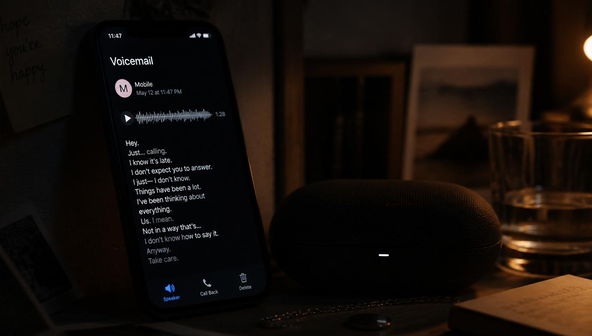
He sounds warm, which is always his first register.
He says he wanted to check in, says he feels like he has not seen much of me since the dinner, says we should find a time to talk. He says *talk* the way people say it when they mean something smaller than a confrontation but larger than small talk.
He does not apologize in the voicemail.
He never apologizes in voicemails. He apologizes, partially, in person, where the warmth of his physical presence can do some of the work.
What I Am Actually Managing
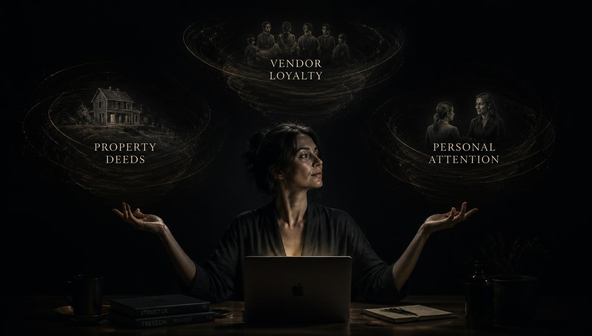
There are three plates spinning that Robert does not know I am spinning.
The first is the property documentation, now in Patrick Nguyen’s hands for a formal review.
The second is the vendor network, which I am quietly, legitimately allowing to map itself to me rather than to the Calloway Cove institutional account. The third is my own attention, which I am no longer directing entirely outward.
The Call I Return That Isn’t His

I call Paul Gerrard back instead.
He answers on the second ring and sounds relieved, which tells me the inquiry from the venue rattled him more than his professional voicemail communicated.
I tell him honestly that I am in a period of professional transition and that the contact he received did not come from me.
He says: *that’s what I figured. I just wanted to hear it from you.*
What Tom Wexler Posts That Week
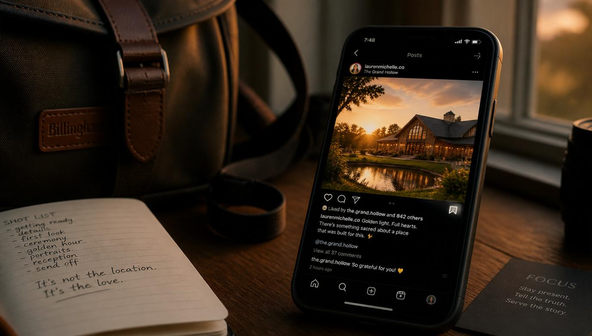
Tom puts up a set of images from a venue engagement shoot, not Calloway Cove, a competitor property two towns over.
He tags the location, tags the couple, does not tag Calloway Cove.
This would have been unthinkable a year ago, when I spent three months cultivating his participation in the venue’s brand presence. He is not being hostile. He is simply going where the relationship actually lives.
What Marissa Sends Me

A text, not a call.
She asks if I would be willing to walk her through the catering coordination process for the August bookings, since the vendor *seems a little hard to reach.*
I read it twice, sitting in my car.
The vendor is not hard to reach. The vendor is easy to reach and is screening calls from the venue line because I had a quiet, honest conversation with him about where I see my professional future.
What I Write Back
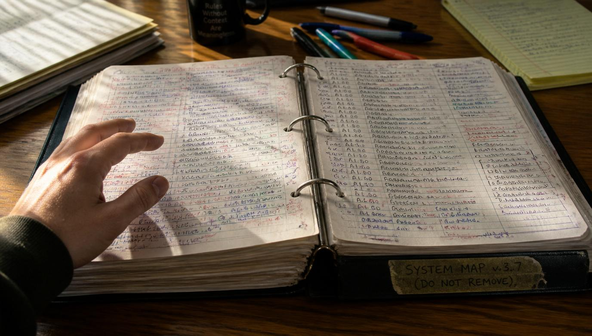
I write back within twenty minutes, because not writing back would be a signal and I am not ready to send signals yet.
I tell her the catering coordination runs through a contact sheet in the shared drive, folder labeled *Seasonal Vendors, Current.*
I do not tell her that the contact sheet lists names and numbers and nothing else. No relationship history. No rate notes. No memory of which vendors require which handling.
The folder is accurate and completely insufficient, which is not my fault.
What Sandra Okafor Sees
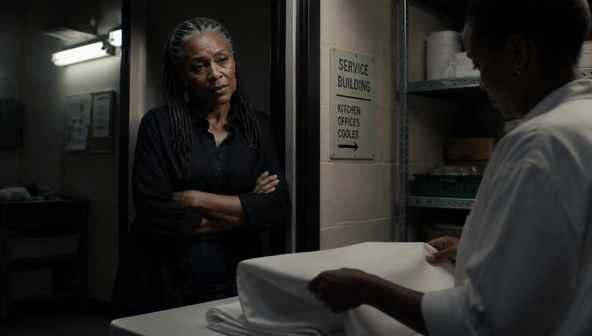
Sandra finds me in the service building the following Tuesday, where I am retrieving a tablecloth order before the week’s first event.
She does not announce herself. She leans in the doorway and says: *something is different and I can’t tell if it’s you or the building.*
I fold the tablecloth once before I answer.
I tell her things are shifting, and I tell her I will let her know when I know more, and she nods like someone who has been watching long enough to understand that this is the most honest answer available.
What I Do That Evening
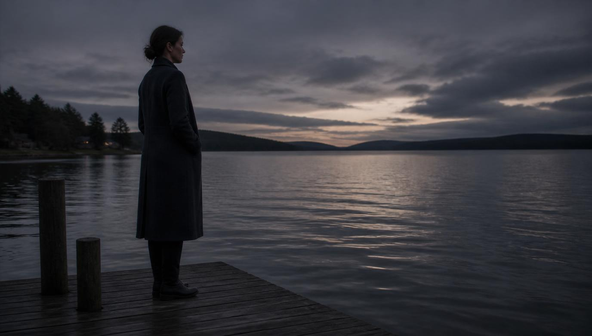
I go to the dock.
Six-fifteen, the lake flat and silver-gray, no guests, no events until the weekend. I stand at the end of the dock the way I have stood here probably three hundred times.
The difference is that tonight I know I am memorizing it.
Not goodbye, not yet. But the specific, deliberate attention you pay to something when you have finally accepted that loving it and staying in it forever are not the same requirement.
What the Morning Brings

Robert calls again at seven-forty-three.
I am standing at my kitchen counter with coffee I have not touched, and I watch the phone light up twice before I answer.
He sounds different than the voicemail.
The warmth is still there, but underneath it is something tighter, a man who has begun to notice that the machinery is making sounds he does not recognize.
What He Actually Says

He asks how the August calendar is looking.
It is a practical question and also not a practical question, the way a person asks if you slept well when they mean something larger about your state.
I tell him the August calendar is fully booked, which he knows, and that coordination is underway.
I do not tell him that three vendors have quietly confirmed they will follow me if I move independently.
I keep my voice level and warm, which costs me less than it used to.
The Specific Thing He Says at the End
Before we hang up, he says: *Marissa mentioned she has been having some trouble getting traction with the caterer.*
He says it casually.
The way you mention weather.
I wait one beat and then tell him the caterer is listed in the shared vendor folder and that Marissa should reach out directly to reintroduce herself.
The silence that follows is one second longer than comfortable.
What That Silence Contains
He does not know yet that reintroducing herself is the entire problem.
The caterer, whose name is Gordon Fells and who has run his operation for eleven years, built his pricing structure around a relationship with me specifically.
He lowered his margin on venue events because I referred him to four other clients outside the Calloway Cove season.
That referral network lives in my head, not in any folder.
What Gordon Fells Said to Me

I had called him two weeks ago, honest and direct.
I told him I was exploring an independent future and asked whether our working relationship was with me or with the venue brand.
He laughed, not unkindly, and said: *Vivienne, I have never once thought of you and that venue as the same thing.*
I wrote that down afterward, not for legal purposes, just because I needed to read it back to myself.
What Marissa Texts by Noon
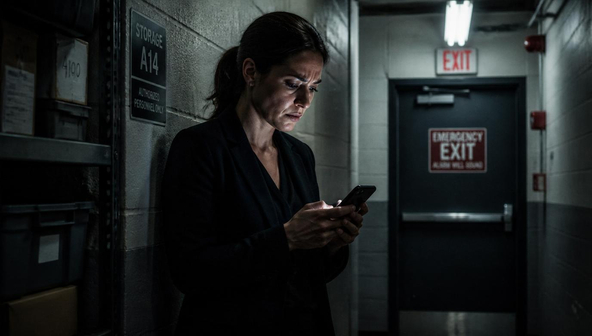
She texts again at eleven fifty-eight.
She says Gordon was polite but quoted her a rate that is significantly higher than what the venue has been paying, and she wants to know if I have a note somewhere about the negotiated pricing.
I read the text standing in the venue’s side hallway, between a linen cart and the fire door.
I think about the thirty-seven emails between Gordon and me over two years, the lunch we had when he was considering shutting down during a difficult winter, the way I structured an early-season guarantee that let him keep two staff members on payroll.
What I Write Back to Marissa

I tell her the original pricing was negotiated on a relationship basis and will likely need to be renegotiated at current market rates.
I tell her Gordon is a fair person and worth a direct conversation.
Every word I write is true.
None of it contains what she actually needs, which is not information but history, and history is not transferable by text.
What Sandra Says on Tuesday
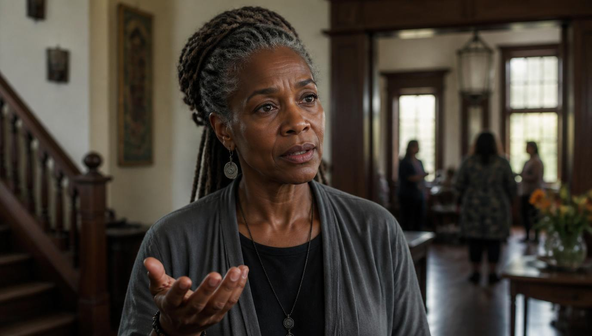
Sandra finds me again, this time in the main hall during a lull between table resets.
She says three of the summer staff have asked her privately whether their positions will transfer if the management situation changes.
She is not asking on their behalf exactly.
She is asking whether she should tell them the truth, and she is asking me what the truth is.
What I Tell Sandra
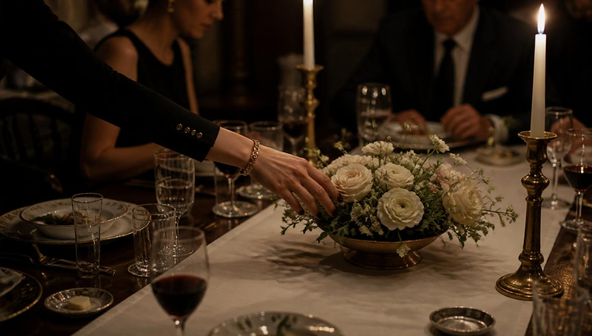
I tell her I am not in a position to make promises yet.
I tell her that I am moving toward something and that I will not leave people behind without warning.
She looks at me for a moment with the specific attention of someone who has watched me manage everything quietly for four years.
Then she says: *you have been warning us for months without saying a word.*
What Patrick Sends by Email
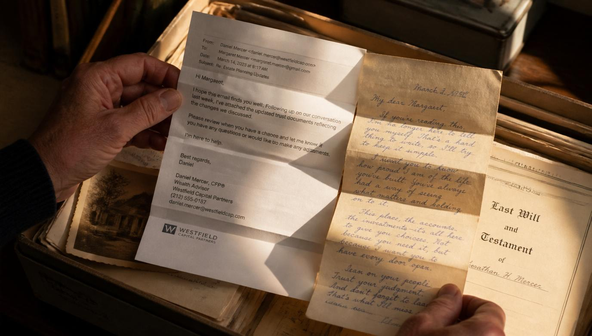
Patrick Nguyen emails me a formal summary of my ownership position at four in the afternoon.
The language is dense and precise, and the conclusion is the same as the conversation but in writing now, which changes its weight.
He attaches a note: *advise notifying relevant parties before any formal assertion, to preserve cooperative resolution as an option.*
I print the email and fold it into the accordion file, next to my grandfather’s handwriting.
What the Venue Looks Like That Evening

I walk the property after the last vendor leaves, which I have done every working evening for six years.
The dock is still. The outdoor ceremony space holds the last of the light the way it always does in late summer, amber through the tree line, the lake picking it up and spreading it flat.
I stop at the centerpiece of the lakeside arch, the one I chose last spring from Delia’s collection.
I straighten it, reflexively, before I realize no one is watching and there is nothing to straighten.
What That Habit Means

I stand there with my hands at my sides.
It occurs to me that I have spent six years straightening things before anyone noticed they were crooked, and that the straightening became so automatic I stopped feeling it as labor.
The labor was real.
The invisibility was not a natural condition.
It was something I participated in, and the participation was something I can stop.
What Robert Does the Next Day

He shows up at the venue unannounced at ten in the morning.
This is not unusual historically, but the frequency has increased in the past two weeks, and I have noticed that each visit contains a slightly longer pause before he says what he actually came to say.
Today he stands in the main hall doorway and tells me he thinks it would be good for the family to sit down together.
He says *sit down together* the way people say *talk* when they mean something that has been building pressure for longer than the conversation they are about to propose.
What I Say to His Proposal

I say: yes, that sounds like a good idea.
He looks mildly surprised, which tells me he prepared for resistance and my agreement has moved him off a script he was holding.
I ask when he is thinking, and he says end of the week, here at the venue, and I nod and say I will be there.
I do not tell him that I have been ready for this conversation for weeks.
What I Do After He Leaves
I go back to the service building and sit on the edge of the linen shelf, which is a graceless thing to do, and I do it anyway.
I take out my phone and I open the summary I typed at midnight two weeks ago, the plain declarative sentences that turned feelings into facts.
I read it once, slowly.
Then I close it, stand up, and go back to work, because the week still has three events in it and I am still the one who knows how to run them.
What the Room Holds Before Anyone Speaks
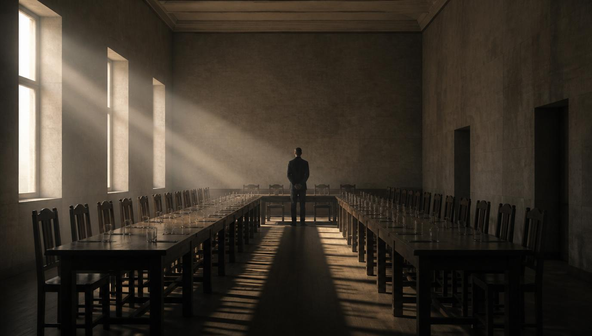
The venue’s private dining room looks different when it is not set for a celebration.
The tables are pushed to configuration for a meeting rather than a meal, and the absence of candles and linen makes the room feel like what it is: a space where a family is about to say things that cannot be unsaid.
Robert is already there when I arrive. He has positioned himself at the head, which is instinctive and probably unconscious and tells me everything about how he has framed this to himself.
Who Comes Through the Door
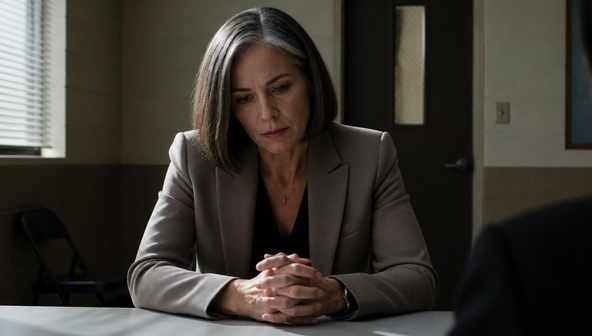
Claire arrives with Marissa four minutes after I do.
She is wearing a taupe blazer and the expression of a woman who has prepared a position, which means she has decided whose side she is on before the conversation begins.
Marissa looks quieter than I have seen her in years.
She does not perform ease when she sits down. She folds her hands on the table and looks at them, and something in that gesture is more honest than anything she has offered me in weeks.
What Robert’s Opening Sounds Like

He thanks everyone for coming, which is the language of a man running a meeting he called to avoid running a harder conversation.
He talks about business continuity and family alignment. He says the transition has encountered some friction.
The word friction lands in the room and no one touches it.
He says Vivienne’s expertise has been central to the venue’s success, and he says it the way someone says a true thing they have rehearsed until it stopped feeling true.
What I Do Instead of Reacting
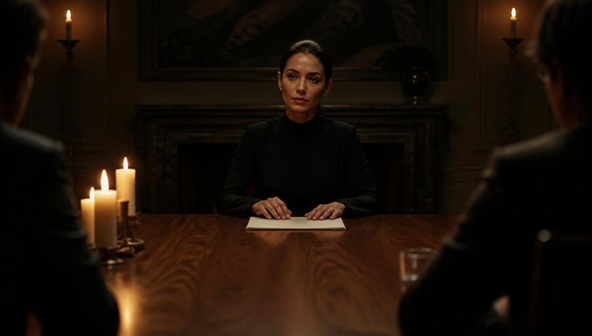
I let him finish.
All of it, the prepared language, the careful framing, the part where he trails off because he has reached the end of his script and the actual conversation has not begun yet.
Then I open the folder I brought with me.
Not the inheritance documents, not yet. Just a plain summary printed on white paper, the same sentences I typed at midnight and have read back to myself more times than I can count.
What I Say When I Begin

I tell them what I built.
I do not soften the verbs. I rebuilt the booking system from a failing spreadsheet. I negotiated the florist contract that reduced costs by thirty percent. I trained staff each spring, absorbed an emergency HVAC repair from my own savings, redesigned the website, developed the lakeside ceremony packages that are now booked eighteen months ahead.
I say the numbers plainly.
What the Room Does While I Speak

Claire shifts in her seat once, early, and then goes still.
Marissa does not move at all.
Robert watches me with an expression I have not seen on him before, the expression of a man receiving information he understood in pieces and is now hearing as a whole, and the whole is larger than the pieces suggested.
I do not perform humility. I do not apologize for the length of the list.
What I Say About Six Years

I tell him that for six years I converted grief into function and function into invisibility, and that I did it in part because I believed he saw the work even when he did not name it.
I stop there for a moment, because the sentence costs something to say aloud.
Then I tell him I understand now that he did not see it.
Not because he is cruel, but because the work was too smooth to register as work.
What I Place on the Table
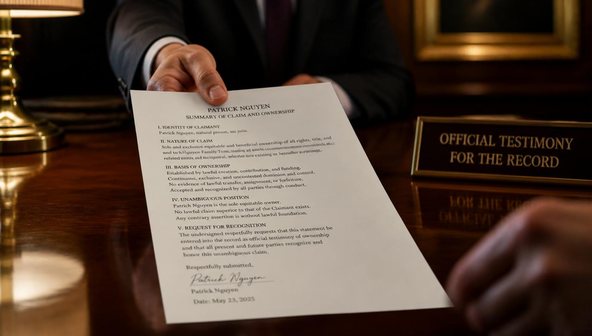
I slide the second document across to him.
Patrick Nguyen’s formal summary, one page, dense and unambiguous.
I tell him my maternal grandparents structured their estate with a protected ownership stake in this property, and that I hold a fractional but legally significant interest in the land itself, not only the business operations.
I tell him I have confirmed this with an attorney and that it is not a threat. It is information he deserves to have officially.
What Robert’s Face Does

He picks up the document and reads it slowly.
I watch him reach the conclusion paragraph twice.
Claire says his name, softly, with a warning in it, and he raises one hand slightly without looking at her, the gesture of a man who needs a moment that no one can give him. The room holds something almost unbearable in the quiet that follows.
What Claire Does Next
She says the property stake framing feels aggressive.
She says it carefully, in the tone of someone who has chosen a word they think sounds reasonable while meaning something less reasonable underneath it.
I look at her directly.
I tell her I am not attacking anyone at this table. I am ensuring that what belongs to me is recognized as belonging to me, and that accuracy is not the same thing as aggression.
What Marissa Says When She Finally Speaks
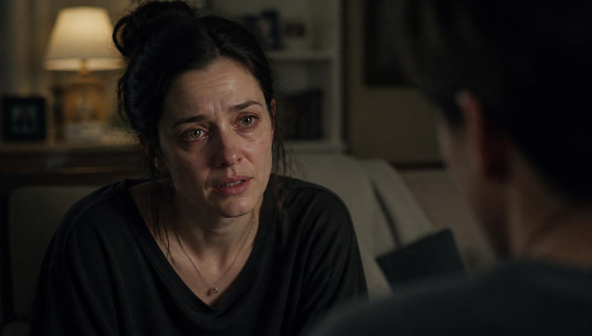
She speaks near the end, after the room has settled into something quieter than argument.
She says she was not equipped for what she was given. She says it without theater, without the performance of self-deprecation, which would have been easier and would have meant less.
She says she did not ask for what Robert promised her.
She looks at me when she says it, and I understand that she has been awake with this for weeks, and that the honesty is costing her something real.
What That Costs Me to Hear
I was prepared for defensiveness from her. I was not entirely prepared for this.
The grief in the room is not only mine, I understand, sitting there. Marissa has her own version of having been placed somewhere she did not fit and handed a title that never quite belonged to her.
That does not undo the dinner.
It does not restore six years.
But it is real, and I receive it as real, because I am done refusing to see things clearly when they are directly in front of me.
What Robert Finally Says

He says he assumed she would always be there. He says he stopped looking because of it.
He does not dress it up. The sentence is plain and undefended, and it lands in the room without adornment.
It is not an apology, precisely.
It is the nearest he can get to one with other people watching, and I understand the shape of what it is costing him to say even that much.
What the Meeting Does Not Produce
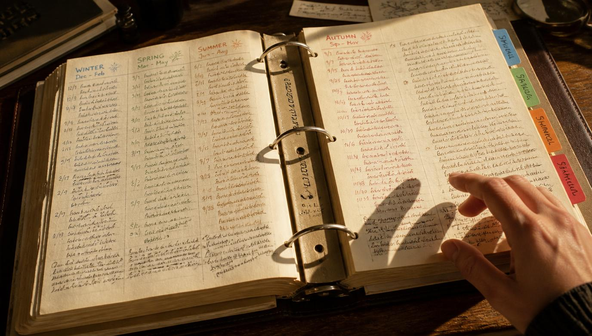
No one signs anything.
No formal decision gets made, no title changes, no legal agreement, no moment of declarative resolution that wraps what just happened into a manageable shape.
But the structure of who knows what has shifted completely.
The old arrangement lived on invisibility. Invisibility requires everyone in the room to agree, silently, not to look. Everyone in this room has now looked, and what cannot be unseen cannot be used as the foundation of a comfortable fiction anymore.
What Happens After They Leave
I am the last one in the room.
I gather my documents, and I stand for a moment at the window that faces the lake, the same view I have oriented my entire adult life around, and I let myself feel what it is: mine, partially, legally, actually.
Not the victory I imagined when I was twenty-five and thought love from a parent was something you could earn through sufficient usefulness.
Something older and quieter than that. Something I put my name on.
What the Days After Feel Like
The meeting ends on a Tuesday.
By Thursday, Robert has spoken to his own attorney. I know because Patrick calls me first, professionally, to say that he has been contacted for a brief consultation and that the confirmation is in process.
I sit with the phone after the call ends and feel something I do not immediately have a name for.
Not relief. Something closer to the particular exhaustion that follows a long-held breath.
What Robert’s Second Call Sounds Like
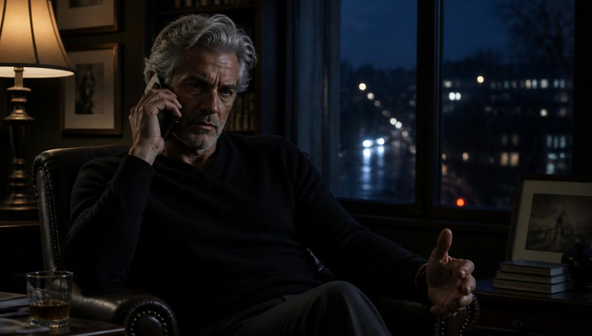
He calls on a Friday evening.
He does not open with the prepared language this time. He says he confirmed the stake. He says it the way a man says something he needed to say to make it real.
Then he says he wants to make this right.
I tell him I believe him. I mean it, mostly.
I do not tell him it is enough, because it is not enough yet, and because he does not need me to manage his comfort the way I have managed everything else.
What I Begin to Build

The consulting firm does not have a dramatic origin.
There is no night of revelation, no moment where I sit at the kitchen table with a glass of wine and write the name on a napkin.
There is just a Wednesday morning when I open my laptop and file the registration paperwork because the next step is the next step.
I name it Calloway Event Management, because the name is mine and I am done apologizing for occupying it.
What the Vendor Conversations Are Like
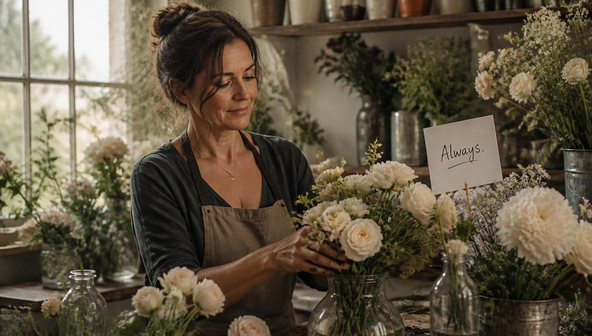
Delia Marsh already knows.
She says, when I call to make it official, that she was wondering when I would stop pretending I was only an employee.
She laughs when she says it. Not cruelly. The way someone laughs when a thing that was always true is finally spoken aloud.
Tom Wexler sends a text three hours later. Just: *in*. One word. It is the most efficient expression of loyalty I have ever received, and I keep the message.
What I Take and What I Leave
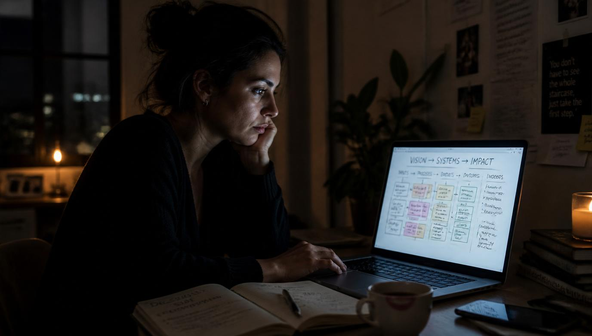
I take the vendor relationships I built through my personal reputation.
I leave the booked events on the Calloway Cove calendar undisturbed. Not for my father’s sake, though it helps him. For mine. Because the professional I want to be does not cross lines she has decided not to cross, and I have decided.
Three staff members ask to follow me. Sandra is one of them.
I do not recruit them. I do not discourage them. I simply tell them what I am building and let them decide.
What Sandra Says Before She Leaves
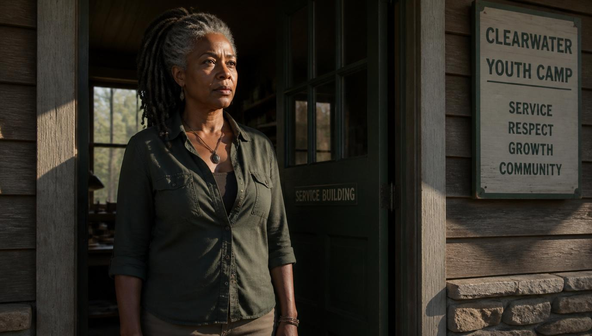
Sandra finds me in the venue’s service building on her last day, checking equipment inventory out of habit.
She says: *You kept this place running with your hands and your name wasn’t anywhere on it.*
I do not tell her it is fine. I am done saying that particular lie.
I tell her I know. And then I tell her I am glad she will be with me, and I mean that the way I mean very few things.
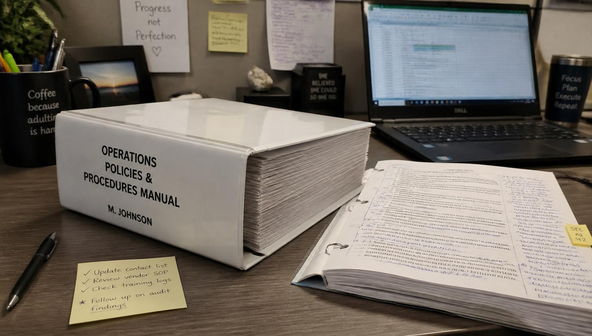
What Marissa Does With the Operational Manual
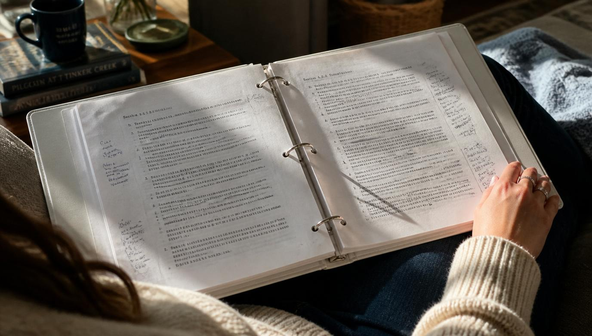
I hear about it secondhand, through a staff member who is still at the venue.
Marissa sat with the binder for two full afternoons. She did not ask for help. She did not call me.
She handed it back to Robert on the third day and told him she needed to have an honest conversation about what she was and was not the right person to do.
That conversation, I am told, was quiet and without theater.
I feel something when I hear this. Something that is not quite forgiveness and not quite anything else yet.
What the First External Client Looks Like
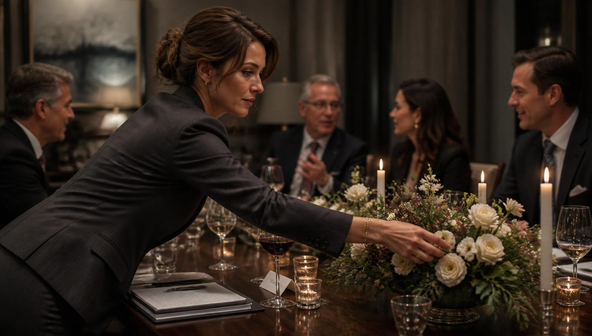
The competitor venue, Harlan Ridge, contracts me for seasonal management consulting in early September.
The meeting is businesslike and slightly careful on both sides, the way first meetings are when both parties are deciding whether to trust.
By the end of the hour, the owner is showing me their booking system with the resigned expression of someone who already knows what I am going to say about it.
I tell them what it needs. They ask when I can start.
What the Work Feels Like With My Name On It

Different. I expected different to feel larger.
It is quieter, actually. The work is the same work. The problem-solving, the vendor calls, the cascade of small decisions that keep an event from becoming a disaster.
But when the outcome is good, the credit does not disappear into a brand that nobody connects to me.
It stays. With my name on it.
I had not understood how much weight I was carrying in the gap between those two things.
What Calloway Cove Looks Like From the Outside Now
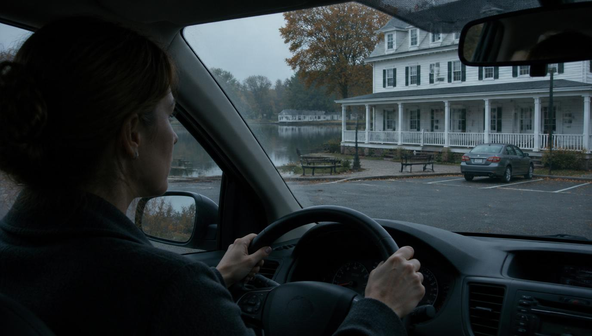
I drive past it on a Sunday morning in October.
The parking lot is half-full. The white building looks the same against the gray-blue water, the stone path, the covered porch.
I sit in my car for longer than I intend to.
I loved that property. I love it still, in the specific way you love something that formed you even when what it formed in you needed years of undoing.
The lease arrangement gives me income from the property. I no longer have to be inside it to hold what is mine.
What Robert and I Become

We do not repair the old relationship.
The old relationship was built on a contract I signed without knowing it, the contract that said I would be useful without limit in exchange for something that turned out not to be what I thought it was.
We build a third thing, slower and less comfortable. He calls once a week, sometimes twice. He asks questions about the firm. He asks them carefully, the way someone asks who has learned that questions can be a form of attention.
I answer. I do not fill the silences the way I used to.
What He Gets Right Gradually

He does not get it right all at once.
There are weeks where he retreats into the old language, where the pride in his voice when he describes the venue edges back toward the possessive, and I hear it and I do not correct it every time.
But there are also moments when he says her name, Vivienne, my firm’s name, and includes himself in the sentence in a secondary way, the supporting way.
Those moments accumulate. I let them.
What Claire Decides to Feel

Claire remains mildly aggrieved about the property stake, which is her prerogative.
She says something at a family function in November that I am told about and choose not to engage with.
This is the other thing I am learning: not every grievance addressed to me is mine to carry. Some of them belong entirely to the person holding them.
Claire’s version of events is Claire’s. I do not need her to revise it.
What a Bride Says in December
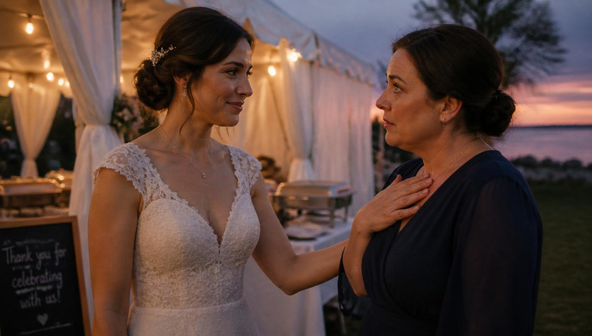
The first wedding I manage entirely under my own name is an outdoor ceremony at Harlan Ridge.
The bride is twenty-eight and anxious in the specific way brides are when the day they have planned for a year is finally inside the weather and the light and the hands of the people they have trusted with it.
When it is over, she finds me near the catering tent.
She says: *Vivienne, I don’t know what we would have done without you.* Not the venue. Not the company. Me.
What I Carry Home That Night

I drive home with the windows down despite the cold.
The name she said, my name, stays with me the way things stay with you when they land in a place that has been empty long enough that you forgot it was there.
Vivienne Calloway. My father’s name. My mother’s daughter. Mine.
I built something, and I kept it.
The lake was never only his. The work was never only for him. I know that now the way I know my own hands, which are always slightly busy, always ready, and which belong, finally, entirely to me.


