
The Story Starts Below!

The Sunday Call That Wasn’t Sunday
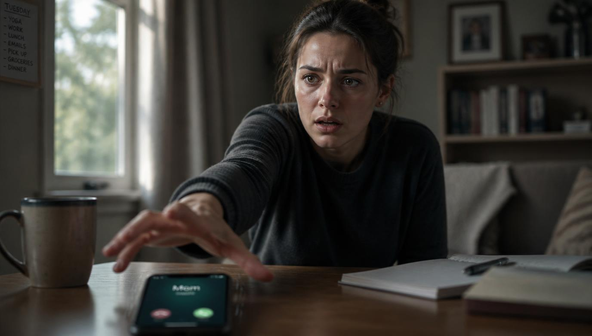
I have a system for Sundays. Call Mom at eleven, before she starts whatever project she’s invented to fill the afternoon.
It never varies. She never calls me first.
So when my phone lit up on a Tuesday at half past two, her name on the screen, I felt something shift before I even answered.
What Her Voice Sounded Like
She said hello the way people say it when they have already practiced the next sentence several times and are still not ready.
I know my mother’s voice the way you know a room you grew up in. I can navigate it in the dark.
She was using her controlled voice. The one she reserves for things that have already happened and cannot be undone.
She Said a Man Came to the Door
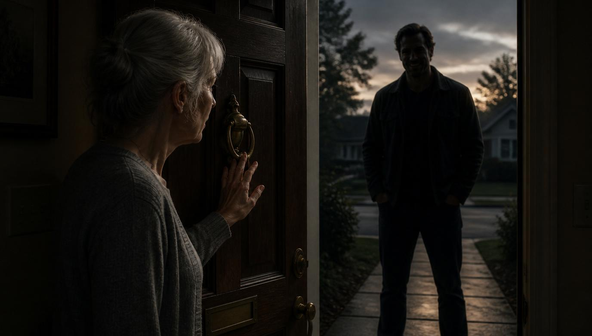
He knocked around ten in the morning, she told me. Offered lawn services. Gave her a number that sounded reasonable.
She said yes. She had been meaning to get the edging done before the neighbors’ association meeting.
He did the work. Then he came back to the door and the number he gave her was not the number he collected.
The Figure She Said Out Loud

She told me twelve hundred dollars.
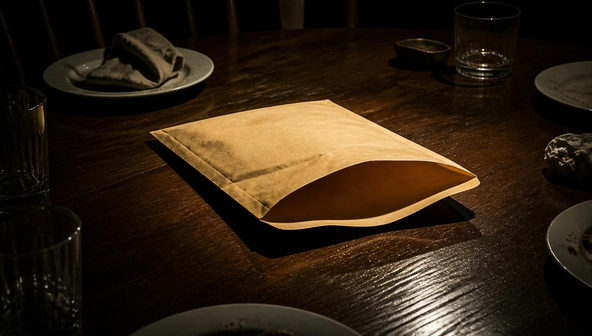
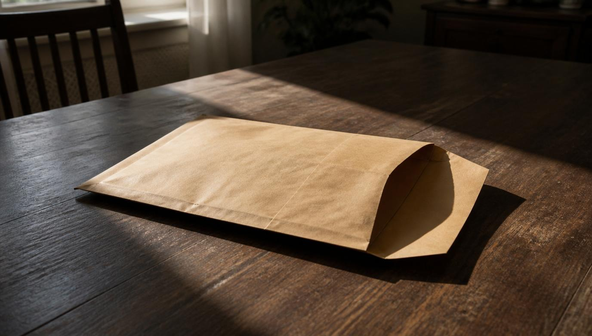
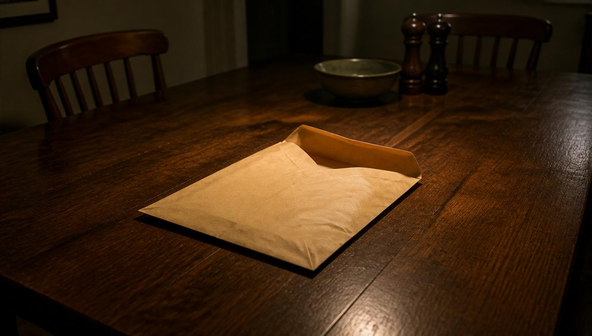
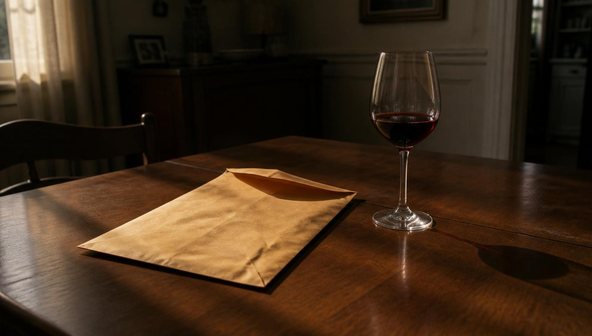
I wrote it down on the back of an envelope without thinking, the way I process numbers at work. A reflex.
Twelve hundred dollars for lawn edging on a property that takes me forty minutes to mow. The figure sat on the page and looked wrong in the specific way that figures look wrong when you already know there is a larger number hiding behind them.
What She Did Not Say

She did not tell me how long he stayed on the porch before she paid him.
She did not tell me whether she had tried to close the door. I did not ask, because asking would have named something we were both already feeling, and Diane Whitmore does not thank you for naming things she has organized very carefully not to name.
She told me the edging looked fine. She said this near the end. I still think about that.
The Part Where I Got Angry

I told her I wanted to call someone. The city non-emergency line, at minimum. Maybe the consumer protection office.
She went very quiet, which is louder than most people’s arguments.
Then she asked me, with the particular precision she uses when she wants something and refuses to want it openly, to please let it go.
Why She Could Not Let It Become a Story

She is sixty-three and she raised me on her own and she has not once asked the world to make an exception for her.
Being taken advantage of, in her internal accounting, is almost as bad as complaining about it afterward. Both feel like surrendering something.
She was most afraid, I understood, not of the money lost but of becoming the kind of story that gets told at family gatherings with a head-shake attached.
My First Moral Compromise
I said fine. I said okay. I said I would let it go.
The words came out of my mouth and landed between us and I heard them settle and I let them stay there.
I have thought about that moment often since. It was the first place I gave ground I did not have the right to give, because it was not my ground. The shame she was managing was hers. But the promise I made belonged to both of us.
After I Hung Up
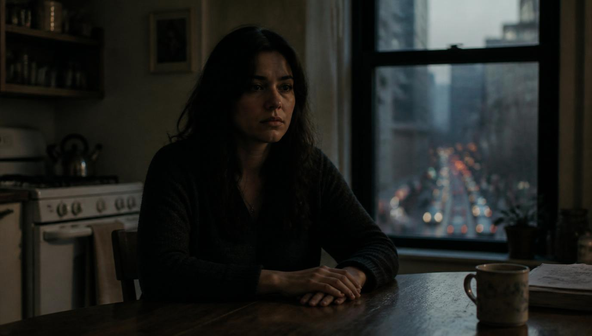
I sat at my kitchen table for a while without doing anything.
I am not a person who sits without doing anything. My hands usually find a task, a cup to rinse, a surface to straighten. That evening I just sat.
Outside, the city made its ordinary noise. Someone’s delivery buzzer. A car with a loose exhaust. The world entirely unconcerned.
What I Do For a Living
I work in accounts management at a logistics company called Harbridge. I find the places where numbers do not tell the same story twice.
My boss once told me I have a gift for seeing the shape of a problem before I can articulate the problem itself.
I went back to work the next day and caught a fourteen-thousand-dollar discrepancy in a vendor invoice before lunch. I am very good at my job.
What I Am Not Good At
Priya told me once, over wine, that I have two modes: fixing and ignoring.
She said it lightly, the way she says most hard things, with enough warmth that you almost don’t feel the edge of it until later.
I told her that was reductive. She smiled and refilled my glass, which meant she was right and we both knew it.
The Woman My Mother Actually Is
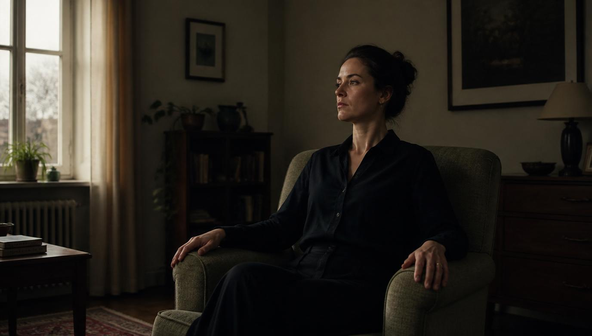
People who meet Diane briefly think she is formal. She is not formal. She is precise.
There is a difference. Formal is performance. Precision is care. She irons her cardigans. She sends birthday cards that arrive on the correct day, not the day before or after.
She moved into that house when I was four and she made it exactly the life she wanted, small and sufficient and entirely her own. That was not an accident. That was thirty years of quiet insistence.
The Chair By The Window
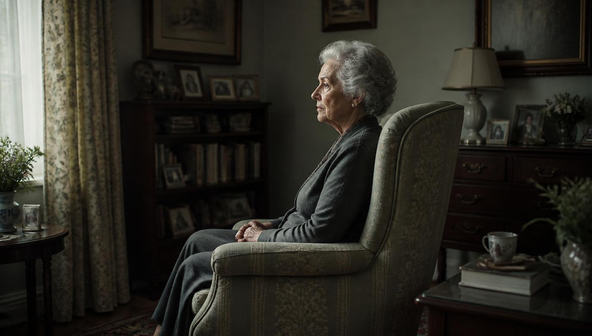
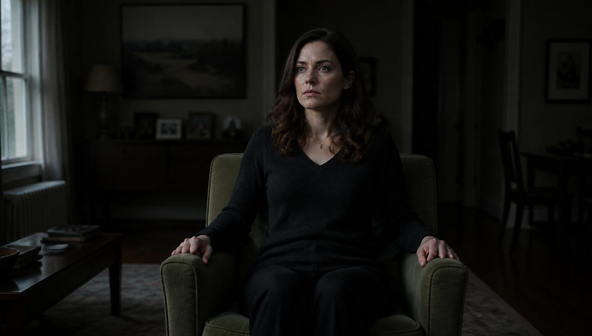
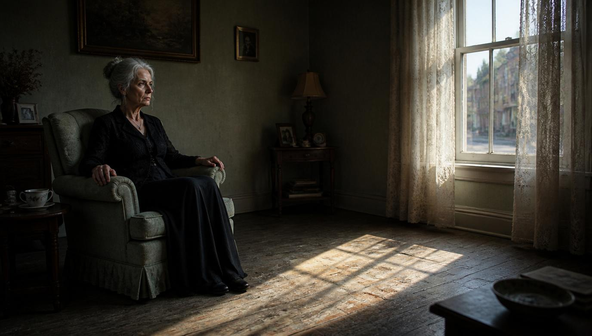
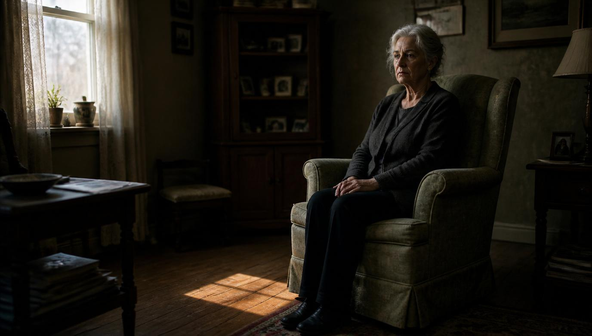
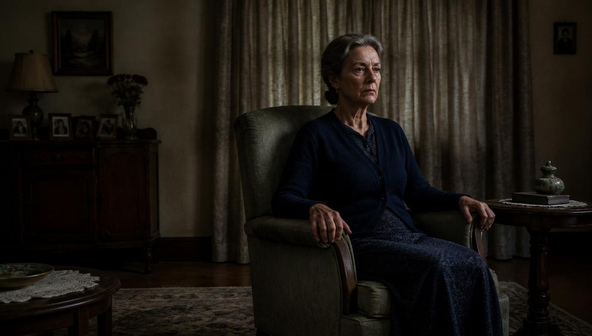
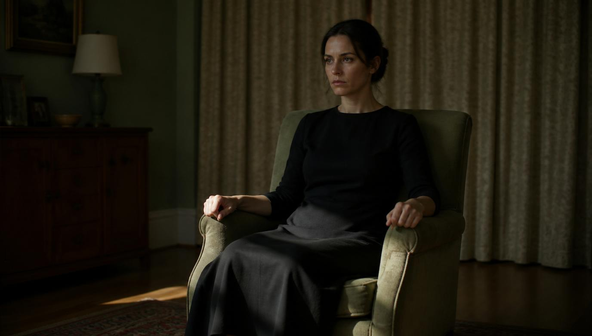
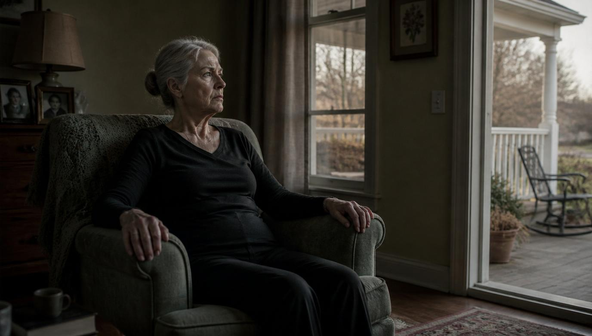
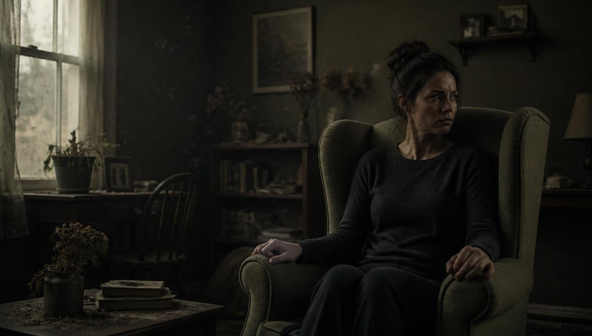
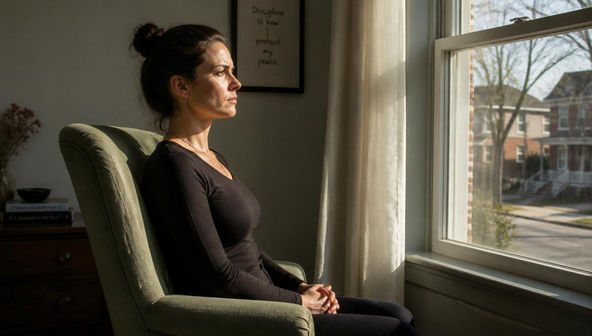
Her front sitting room has one armchair positioned near the window. Sage green, softened at the arms.
She sits there in the mornings with her tea and watches the street the way people who have lived somewhere long enough watch it, with the easy authority of familiarity.
I did not know yet that she had moved it. I would not know for another week.
What I Told Myself Before Bed
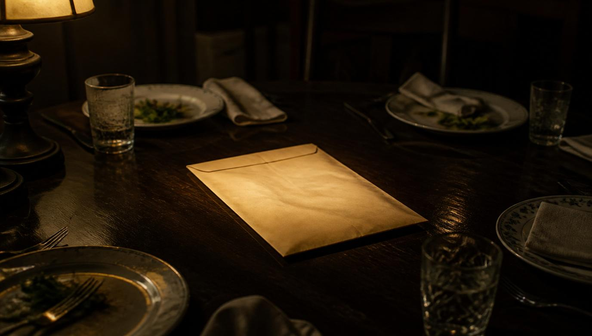
I told myself the worst was over. She had the edging done. She had paid a bad number. She would recover.
I told myself that I could not fix everything and that letting go was sometimes the healthiest response and that not every wrong thing required me specifically to right it.
I believe I almost meant it.
The Thing I Did Not Know Yet
Somewhere across the city, Ryan was making plans for the evening.
He would show up at my door the following Thursday with a thick envelope of cash and a mood I had not seen in him before. He would want to take me somewhere nice. He would want to spend money.
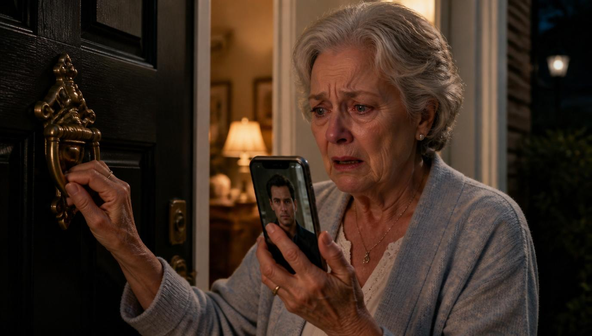
I did not know yet that the money was already spent. That it had been spent the moment my mother opened her front door to a man she had never seen before, a man she would recognize again from a photograph on a Tuesday afternoon that changed everything.
The Thursday He Arrived With Energy I Didn’t Recognize

Ryan knocked at twenty past seven. I knew his knock, three times, slightly uneven, like he always forgot to be deliberate about it.
But his face when I opened the door was different.
Not wrong, exactly. Elevated. The way a frequency can be slightly too high to name but not too high to feel. He kissed me and moved past me into the apartment in a single fluid motion, already talking.
The Envelope He Set On My Counter
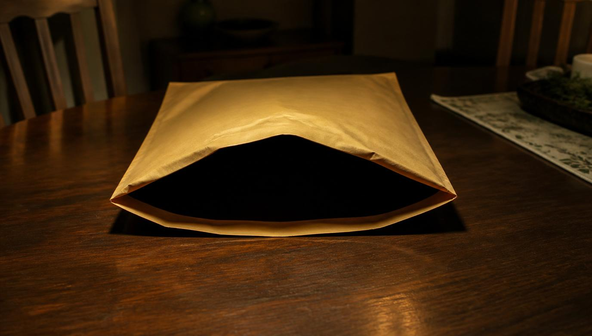
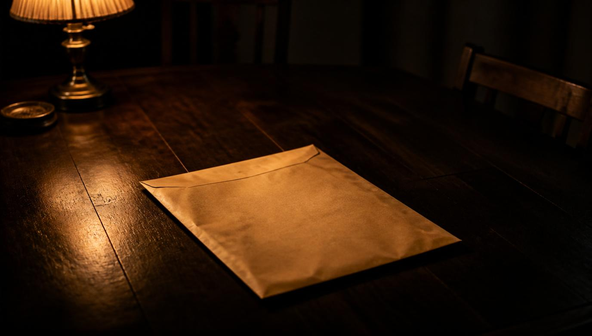
He pulled it from inside his jacket. Thick, buff-colored, unsealed. The kind that does not communicate prosperity.
It communicated the opposite to me, a number that existed outside any record.
I am an accounts person. Cash in envelopes has a specific meaning, and the meaning is not success. The meaning is: this has not been documented and someone prefers it that way. I watched him set it down and registered the weight of it.
The Story He Had Ready
He had a client. Landscaping job, delayed payment, finally settled in full. That kind of thing happens with private clients, he explained, they hold the card until they’re satisfied and then they pay in whatever they have.
He said this with the ease of someone who has explained something true before.
I know that ease. I have sat across from vendors at Harbridge who explain discrepancies with that same practiced looseness, and they are not always lying when they do it. But they are not always telling the whole truth either.
What I Did With What I Noticed

I filed it.
Not the envelope. The feeling.
I opened a drawer in the part of my mind where I keep the things I have looked at and chosen not to examine further, and I placed it there with some precision. Landscaping income is irregular. Ryan’s work has always come in waves. This was consistent with everything I already knew about him, which is exactly what made it possible to believe.
Why I Wanted To Believe It
My mother’s phone call was still sitting in me like something swallowed wrong.
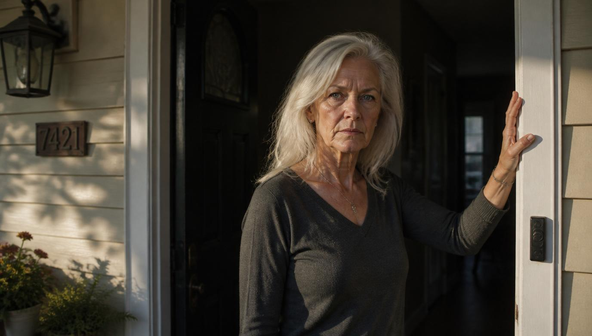
I had spent two days carrying the image of her at her front door, her controlled voice, the way she said the edging looked fine as if that detail could close something. I was tired in a way that had no single location in my body.
Ryan was warm and he was here and he wanted to take me somewhere nice. I let that be enough.
The Restaurant He Chose
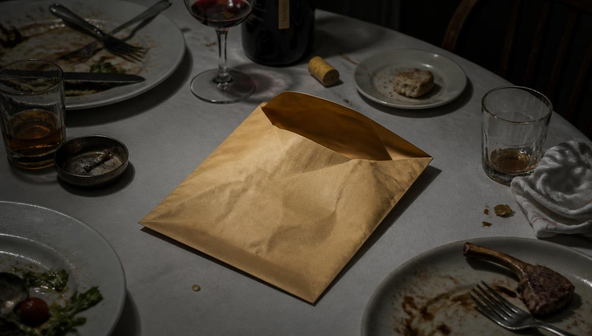
He took me to a place in the newer part of the city, wine list on a small chalkboard, the kind of bread that arrives without asking.
He ordered generously. He was pleased with himself in a way I found charming then and think about differently now.
He wanted to talk about the future. A weekend somewhere, maybe the coast. He had ideas at a pace that didn’t quite match the Ryan of the preceding two months, who had been careful with money because money had been careful with him.
What Priya Said At The Bar

We stopped briefly where Priya was already seated with a friend. Twenty minutes, introductions, a shared round.
She assessed Ryan with the particular quality of attention she applies to things she has not yet decided about.
Afterward, when Ryan went to settle the bar tab, she looked at me with something measured in her expression. Not alarm. Not accusation. The careful middle distance of a person choosing which true thing to say.
The Specific Thing She Said
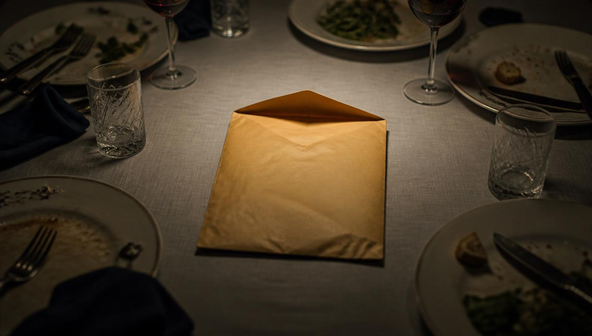
She said: *he’s very on tonight, isn’t he.*
It was phrased as an observation. She handed it to me the way you hand someone a lit match, neutrally, and let them decide what to do with it.
I told her he’d had a good week financially. She nodded, twice, and smiled with her mouth but not the rest of her face. I knew that smile. I filed that too.
The Walk Home

Ryan held my hand the way he does when he is feeling certain of things. His stride was long and easy.
He talked about the coast trip again. A specific town, a specific inn he’d looked up, which meant he had looked it up before tonight.
I listened and said yes in the right places and noticed, beneath the yes, a low and structureless unease I could not locate precisely enough to name. The city moved around us. I matched his pace.
The Jacket On The Hook
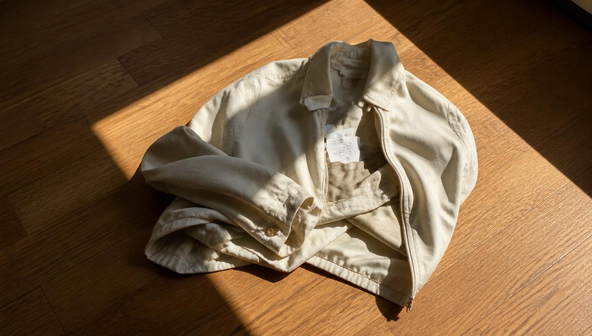
He stayed the night. In the morning he showered and I hung his jacket on the hook by the door because it had slipped to the floor.
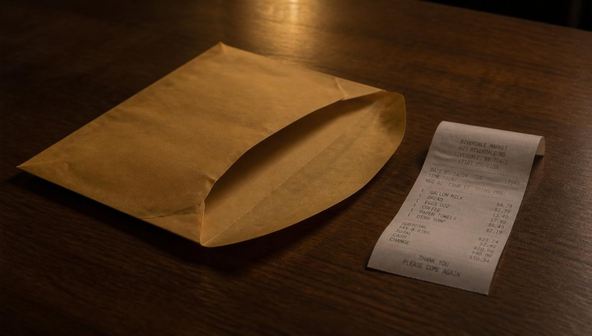
There was something in the inside pocket. Light, folded. A receipt.
I looked at it the way I look at numbers that arrive out of context: briefly, completely, without judgment yet. Flowers, the receipt said. A florist on Clement Street. The date printed at the top was a Tuesday.
What Tuesday Meant
It took me a moment. Then it didn’t.
Tuesday was my mother’s phone call. Tuesday was the man who knocked at ten in the morning and collected twelve hundred dollars and stayed on the porch until he had it.
The receipt was for flowers. Flowers are not suspicious.
I folded it back along its original crease and returned it to the pocket. Then I stood in my hallway for a moment longer than the task required, which is its own kind of answer.
What I Told Myself It Meant
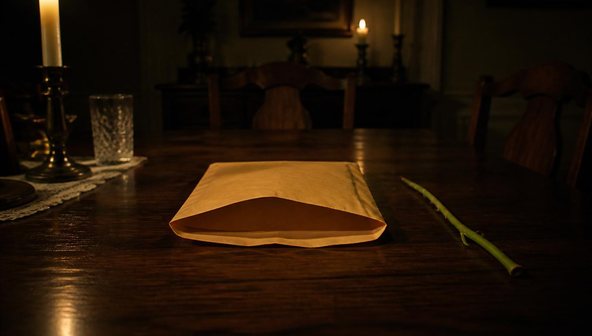
Ryan buys flowers sometimes. He had brought me tulips once, early on, before it was expected.
Clement Street is not far from where he works. A client, maybe. His mother, possibly. A coincidence in both time and location that said nothing by itself and everything in combination, except I was not putting it in combination yet.
I was still keeping the drawer closed.
How He Said Goodbye
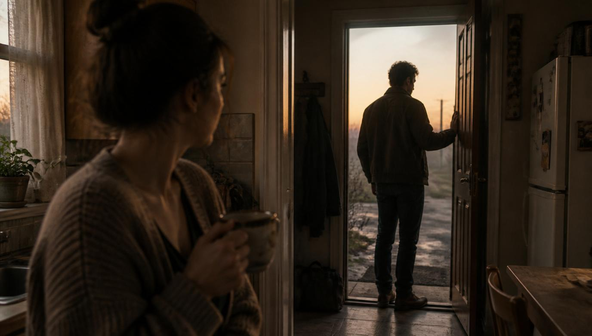
He was easy and warm the way he always is in the morning, coffee, a kiss, a joke about the toast he’d burned.
He picked up his jacket from the hook. He did not check the pocket.
I watched him leave and stayed at the window a moment after the door closed, the way my mother sits at her front window with her morning tea, watching the street with the authority of someone who knows what belongs there.
The Discrepancy I Was Not Ready To Name

At work that morning I pulled up a vendor account and found a mismatch in three successive invoices. Caught it in under four minutes.
My colleague Marcus said, not for the first time: *I don’t know how you see these things.*
I told him I just read what’s already there. He laughed like that was modest. It wasn’t. It was the truest thing I said all day.
The Thing That Was Already There
When I got home that evening the apartment felt very quiet.
I made tea and sat at the kitchen table, which is my mother’s habit and I have never told her I borrowed it.
The envelope of cash was gone, of course. Ryan had taken it with him. But the absence of it on the counter felt like a shape, defined and specific, the kind of space that stays defined long after the object that made it has been removed.
The Sunday Visit I Had Already Planned
I drove to my mother’s house on Sunday the way I always do, with a bag from the bakery on Halsted, the seeded loaf she likes.
The routine of it was its own kind of comfort.
The street looked the same. The flower beds along the front path had been recently edged, which struck me wrong before I understood why.
What Her Porch Looked Like Now
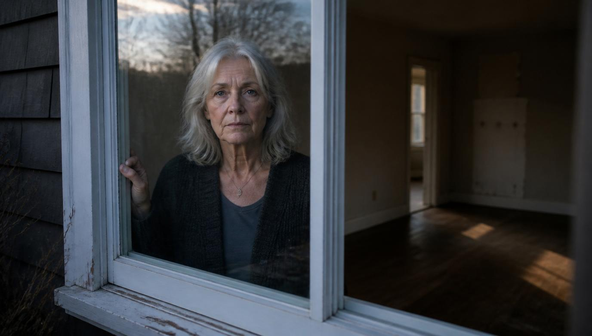
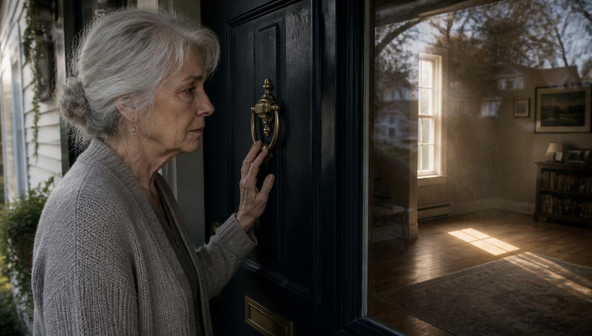
The porch chair was gone. She had one, a low-slung wooden thing with a faded cushion, and she used to sit there in the late morning with her tea.
Its absence was quiet but complete.
I stood at the top step for a moment before I knocked.
The Way She Opened The Door
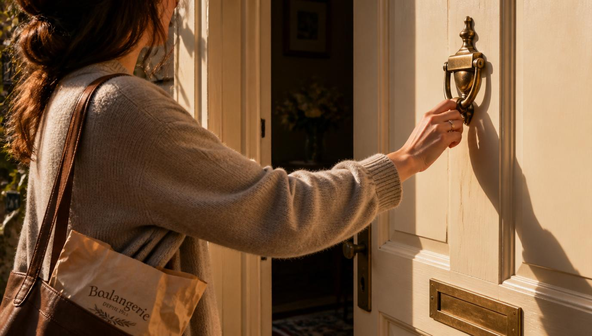
She opened it quickly, which meant she had heard the car.
She was dressed and composed, her hair set, her cardigan buttoned. She kissed my cheek and took the bakery bag and moved back into the hallway with her shoulders held very straight.
She was performing Tuesday’s composure on a Sunday, and it cost her something visible.
The Chair That Had Moved
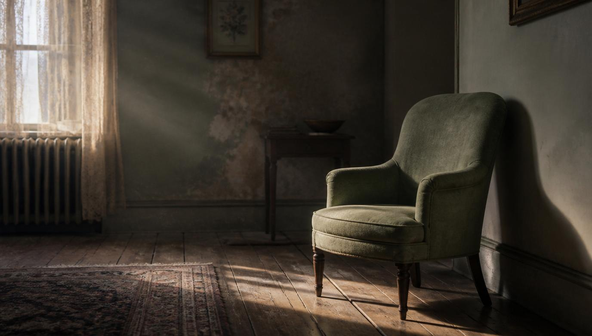
The sitting room felt larger than it should. Then I understood.
Her armchair, the sage green one with the worn armrests, was gone from its place by the front window.
It was at the back of the room now, angled toward the interior wall, facing nothing in particular.
What I Said And Didn’t Say
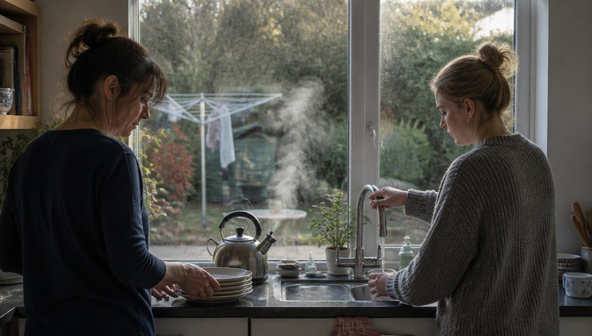
I didn’t mention it. She didn’t mention it.
We went to the kitchen the way we always do, and she filled the kettle and I found the plates, and the ordinary sequence of it covered over something neither of us was naming.
The window above the sink looked out onto the back garden, not the street.
When She Finally Talked About It

She brought it up herself, eventually, in the clipped and deliberate way she handles things she has pre-organized before speaking.
She said the man had been very calm about it. That was the word she chose. Calm.
She said it the way you describe something that frightened you more than anger would have.
The Detail That Recalibrated Me
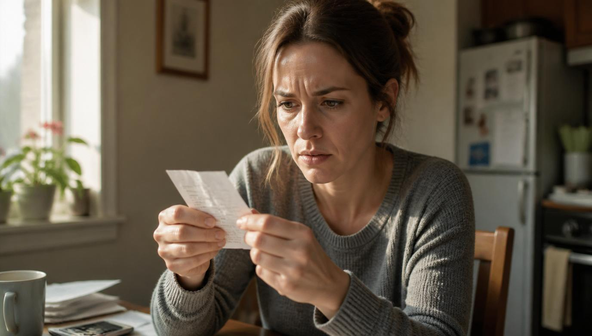
She told me he had stood slightly to the left of the door, not on the step below but on the same level as her.
She had not described that before.
It was a positioning. Deliberate geometry, chosen to reduce her options without looking like a choice had been made at all.
The Story She Had Been Telling On A Loop
She said: *I should have just said no at the start.*
She’d said this before. I recognized it as the story she was rehearsing to make the thing make sense, to assign the failure to a decision point she could have controlled.
I did not interrupt it. Not yet.
The Photograph I Reached For Without Thinking
I was telling her about Ryan. Nothing significant. A story about the burned toast, the coast trip he wanted to plan.
I wanted to give her something light.
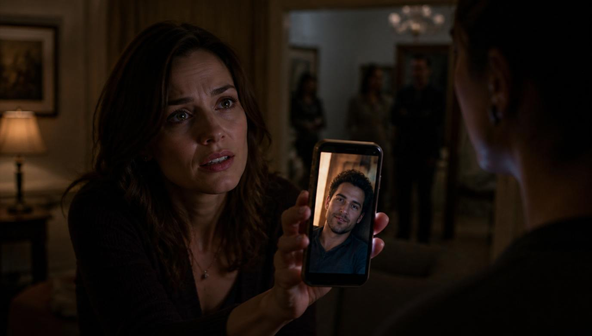
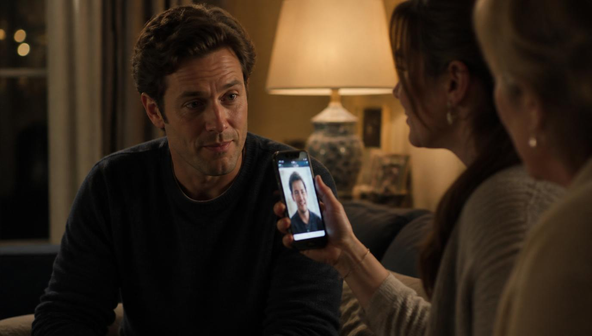
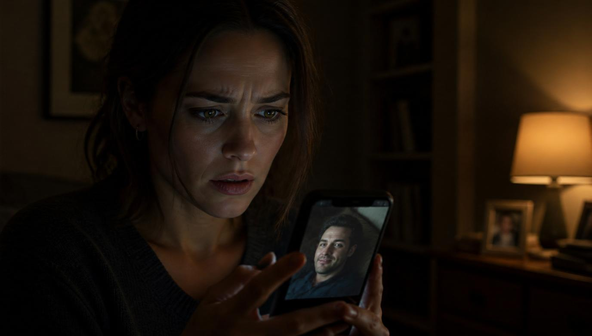
I reached for my phone and found his picture, the one from the wine bar three weeks ago, his face relaxed and clear in the frame. I turned the screen toward her.
Her Face Before The Words

She looked at it for two seconds. Maybe three.
Her expression did not collapse dramatically, it did something quieter and more terrible. It stilled. The color left it in a specific direction, from the cheeks outward, the way heat leaves a surface.
Her hand, holding her cup, did not move.
The Four Words She Said
She said: *that’s the man.*
Not loudly. Not with a tremor. She said it the way you confirm something you already knew, the words just the last step of a recognition that had completed entirely in her body first.
I held the phone. I looked at Ryan’s face.
The Way The Room Changed
I asked her if she was certain.
I heard myself ask it and understood it was not a real question. It was the last motion of the version of me that existed before she answered.
She said yes with a single syllable that closed every door behind it.
What I Did With My Hands
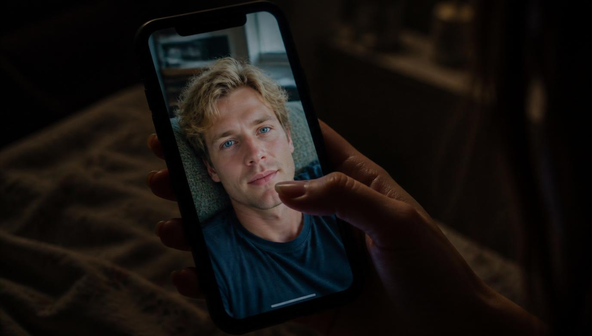
I set the phone down on the table. Face down.
I picked up my cup. I did not drink from it. I held it with both hands the way you hold something when you need your hands to have a purpose while the rest of you catches up.
My mother watched me with her grey-green eyes and said nothing.
The Silence We Sat Inside
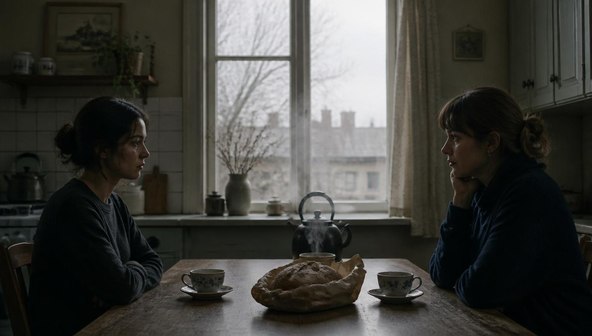
We stayed like that for a long time. The kettle had long since finished. The bakery loaf was still in its paper bag, unopened.
Outside the kitchen window the back garden was still and grey and entirely ordinary.
Inside the kitchen nothing would ever be organized quite the same way again.
The Temperature Of What I Felt

It was not hot. That surprised me.
I had expected something that moved fast, something with edges. What arrived instead was low and even and thorough, the way cold comes into a house when a window has been left open in another room.
It moved through me without rushing. It had nowhere else to be.
What I Did Not Say Before I Left
I did not tell her what I was going to do. Partly because I had not decided yet.
Partly because the version of a plan I was already building needed to stay quiet, inside me, where it could take shape without being argued out of.
I kissed her cheek at the door. I told her I would call that evening.
The Drive Home That Lasted Forty Minutes
I did not turn on the radio.
I drove with both hands on the wheel and let the silence do what it needed to do, which was accumulate.
By the time I pulled into my street, something had solidified.
It was not yet a plan. It was more like a temperature, the same cold, organized feeling that had arrived at the kitchen table, finding its level.
The Thing I Understood About Ryan
He had not known. That was the fact I kept returning to.
He had stood on my mother’s porch without knowing she was mine.
That absence of intention was not a comfort. It was worse than malice.
Malice would have meant I was the target. Instead I understood that my mother had been chosen randomly, which meant she was one of many, which meant the list of women before her had its own weight and length.
The Spreadsheet I Opened At Midnight

I sat at my kitchen table with my laptop and a glass of water I did not drink.
I opened a blank document. Then I closed it and opened a spreadsheet instead, because a spreadsheet has columns and columns impose discipline on the kind of thinking that wants to turn into feeling.
I labeled the columns: What I Know. What I Can Confirm. What I Need.
What The First Column Contained

Ryan had arrived at my apartment two days after my mother’s call.
He had cash in a thick envelope. He had energy that did not match his usual rhythm. He had bought dinner and talked about the coast and been the most present version of himself.
The receipt in his jacket pocket. The flowers.
The date on that receipt was the same date my mother had been afraid on her own porch.
What Priya Said When I Called
I called her at seven in the morning because she is the only person I know who answers at seven.
She listened without interrupting, which is not her default setting. When I finished, she said: *what is the actual goal.*
Not as comfort. As a question with a specific function.
The Answer I Had To Work For

I sat with it. I wanted to say: I want him to understand what he did.
But that was not precise enough, and Priya knows when I am being imprecise.
What I actually wanted was for my mother to have her money back. And I wanted Ryan to know, with complete clarity, that Diane Whitmore was not a transaction. That she had a person watching. That the woman on the porch was connected to something he had not calculated.
The Plan That Assembled Itself

Priya went quiet for a moment. Then she said: *so you are going to invite him to dinner.*
I had not said that yet. I had been working toward it and she had arrived first.
I said yes.
She said: *Clara.* Then she said nothing else for three seconds, which is Priya’s version of a long silence.
What She Said After The Silence
She said she understood the logic. She said it was cold logic, which was not a compliment and not a criticism.
She asked me if I could perform warmth toward him for however long this took to arrange.
I thought about the columns on my spreadsheet.
I said: *yes. I can do that.*
Going Back To My Mother For The Real Number
I went back to her house on Tuesday. I brought the same bakery bread because routine is a form of trust.
We sat in the kitchen again, and I asked her, gently, about the amount. The full amount.
She held her cup with both hands and looked at the garden for a long time before she said the number.
It was not twelve hundred dollars.
Six Thousand Dollars

I kept my face very still.
Diane said: *I could not say it before. I don’t know why.*
I knew why. Because twelve hundred was embarrassing and six thousand was a different category of shame entirely, the kind that makes a person feel the failure is proportionate to the figure.
I reached across the table and covered her hand with mine. I did not speak until I was certain my voice would be steady.
What The Real Number Changed
It did not change the plan. It changed my understanding of Ryan’s range.
Six thousand dollars is not a mistake in pricing. Six thousand dollars is not a miscommunication.
Six thousand dollars required him to read my mother precisely: what she had access to, what she would pay to make him leave, what her threshold of endurance was before she called someone.
He had been correct about all of it. That precision was its own kind of evidence.
The Invitation I Sent That Afternoon
I texted Ryan from my car outside my mother’s house.
I said it was past time he met my family. I said my mother had been asking. I said dinner, Sunday, at her house.
His response came in under two minutes: a string of enthusiasm, a question about what to bring, a warmth so immediate and unguarded that my hand tightened on the phone.
He had no idea.
What It Cost To Keep My Voice Normal
He called that evening and I talked to him for twenty-two minutes.
I told him she was a good cook. I told him she could be reserved at first but would warm up. I laughed at something he said, a real laugh, which disturbed me more than a performed one would have.
The grief was already starting and I was not done needing to use him yet.
The Night Before

I laid out what I needed for the dinner.
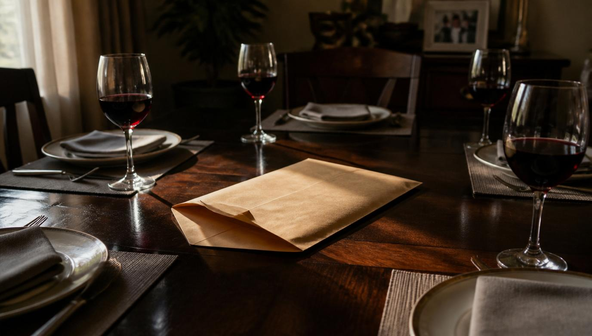
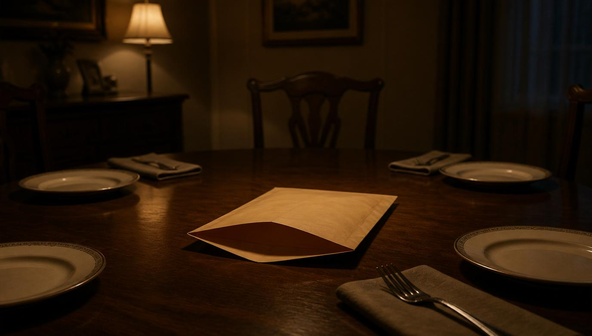
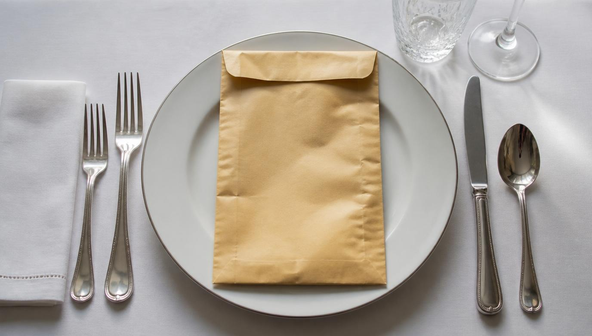
The empty envelope on the table. The number written down, with the date, in a column format. My own composure, which I was treating as a resource that needed to be conserved.
Diane called at nine to say she was ready. Her voice was tight but it was not afraid.
That was the thing that mattered. She was frightened and she was doing it anyway, and the difference between those two things was the only distance I needed her to cross.
The Afternoon Before He Arrived
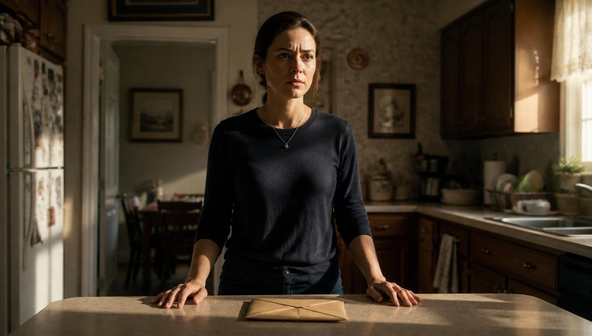
I was at my mother’s house by two o’clock.
There were four hours before Ryan was expected, and I used them the way I use the hour before a difficult client meeting: I moved through the space and I made sure everything was where I needed it to be.
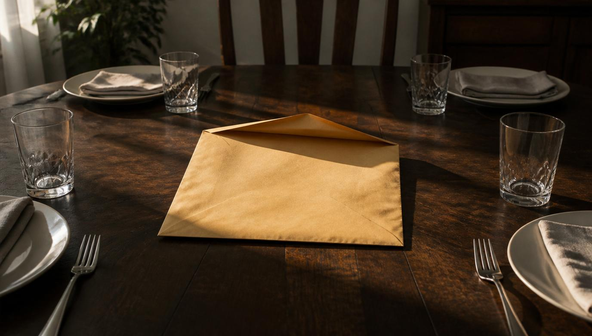
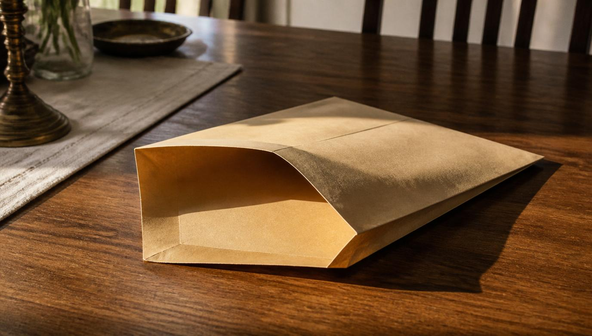
The envelope was on the kitchen counter. Empty, slightly creased, facing up.
What My Mother Was Wearing
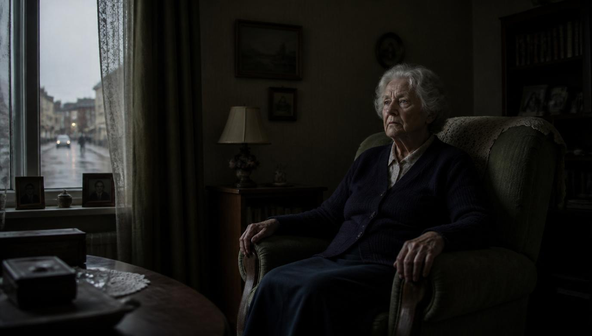
She had dressed carefully.
Navy cardigan, her good trousers, the low leather shoes she reserves for occasions that require her to feel composed. Her hair was pinned back. She looked like herself, which meant she had decided not to let this change how she occupied a room.
I told her she looked well. I meant it.
The Chair Was Still By The Window
I noticed it before she said anything.
She had moved it back the night before, she told me. Not for Ryan’s benefit. For her own. She said: *I am not rearranging my house again because of him.*
I stood there and felt something break open in my chest that I did not name until later.
What We Did Not Talk About
We made tea. We talked about the garden.
She asked whether Ryan was punctual, and I said usually, and she nodded like she was filing information she would not need for long.
We did not rehearse. I had considered rehearsing and decided against it. What she remembered from that afternoon on her porch was already precise enough. It did not need my coaching layered over it.
The Sound Of A Car
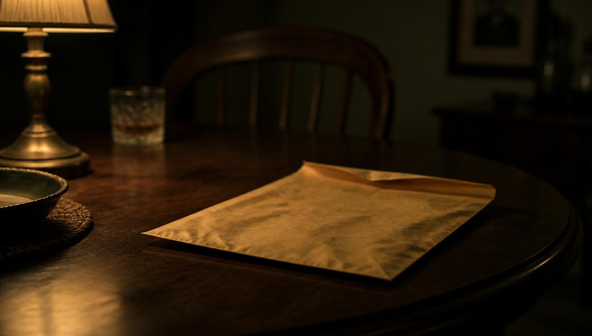
At six-oh-four I heard tires on the street outside.
My mother’s hands went still around her cup. Just for a moment, one brief arrest of motion, before she set it down on the saucer with absolute control.
I stood up. I checked that the envelope was visible from the doorway.
He Brought Flowers Again

The knock was confident and unhurried.
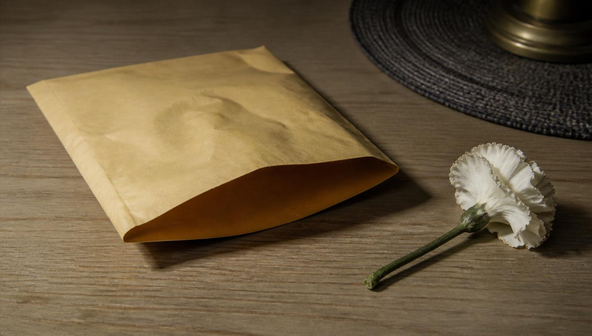
I opened the door and Ryan was there with a bouquet in brown kraft paper, pale blooms, the same kind of thoughtful-without-being-extravagant arrangement he always chose. He was smiling the way he smiles when something is going well for him.
He kissed my cheek and said: *I’m nervous. Is that ridiculous.*
The Moment He Saw Her

I brought him through to the kitchen.
My mother was standing at the counter with her back partially turned, and when she turned fully, something happened in Ryan’s face that lasted less than a second. A compression, swift and small, followed immediately by the machinery of recovery.
He extended his hand. He said: *Mrs. Whitmore. It’s really good to meet you.*
How Well He Recovered
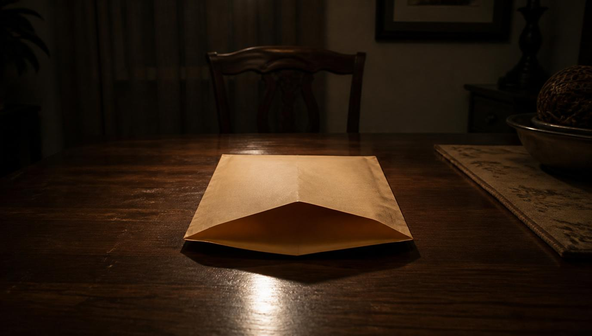
I watched him do it and I understood for the first time the full scale of what he was.
He was practiced. He knew how to find his footing in a room that had shifted beneath him, how to use a pleasantry as a handhold, how to speak before the silence could say something he did not control.
My mother shook his hand. She did not smile.
What He Did With The Flowers

He set the bouquet on the counter.
He did not look at the envelope. Or rather, he looked at it the way a person looks at something they are deciding not to look at, which is its own kind of looking.
He turned his attention to me and asked if he could help with anything.
The First Fifteen Minutes

We sat. I had made no dinner. There was tea and there was the table and there was the envelope.
Ryan noticed the absence of food eventually. I could see him recalibrating, reassigning the room’s meaning, looking for the story that explained the envelope and the formality and my mother’s silence.
He tried: *It feels nice in here. Very warm.*
When My Mother Spoke

She waited until he was comfortable. That was the part I had not planned and did not need to.
She let him settle. She let him believe he had found a way to occupy the room. Then she said his name, and something in her tone made the word land differently than he expected.
She said: *I think you have been to this house before.*
The Route He Tried First

He went to confusion. He let his brow draw together, let his eyes move between us, let his voice carry a note of genuine-sounding uncertainty.
He said he did not think so. He said he would have remembered.
I placed my hand flat on the table beside the envelope, and I said nothing, and the room got very quiet.
What My Mother Remembered
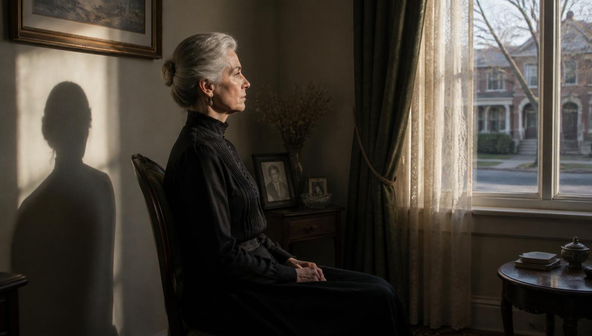
She did not summarize. She did not accuse in the abstract.
She told him what day it was. She told him what he was wearing. She told him the exact words he had used when she asked him the price a second time, and she told him where he had been standing when he said them, and how that position made it necessary for her to step back into her own hallway.
She placed him in a moment he had considered safely gone.
The Point At Which He Stopped Trying
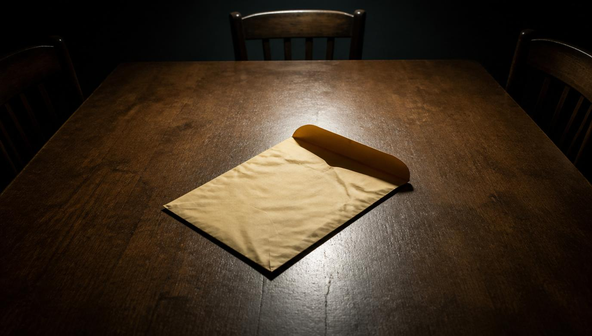
He attempted two more repositions. A pricing dispute. A different job, a different street, an honest confusion about figures.
I opened my notebook and read the amount, the date, and the specific sequence of events in the order Diane had given them to me. Clean, sequential, no interpretive exits. The way I present a discrepancy to a client who cannot afford to pretend it isn’t there.
He sat back. His hands went still on the table.
What Happened When Every Exit Was Closed
He did not apologize.
He reached into his jacket and counted six thousand dollars onto my mother’s kitchen table, and the sound of each note was the loudest thing in the room.
He left the flowers on the counter. He did not take them when he went. I think he forgot about them, which was the most human thing he did all evening.
After He Left
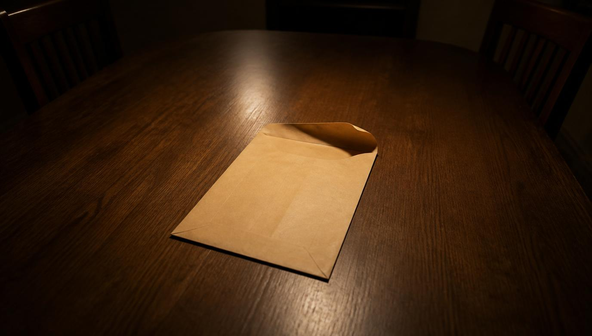
The door closed behind him and the sound was smaller than I expected.
I had imagined this moment many times in the previous days. I had imagined something definitive, some quality of finality that would settle into the room like weather changing.
What I felt instead was a kind of suspended stillness, the quiet that follows something loud even when the loud thing made no sound.
The Flowers On The Counter
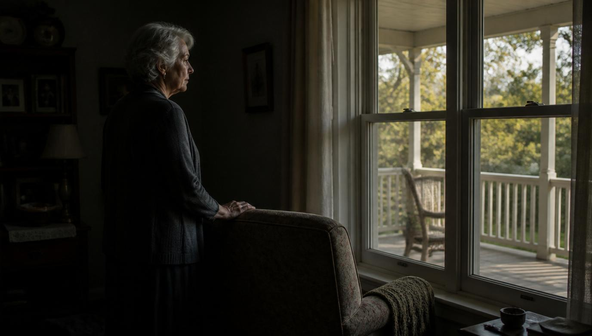
Neither of us moved toward them for a long time.
They sat there in their brown paper, pale and entirely indifferent to everything that had just happened around them.
My mother picked them up eventually and set them in the sink without putting them in water. She did not throw them away. She just removed them from the surface where they had been left, which I thought was exactly right.
Six Thousand Dollars
The money was still on the table.
My mother looked at it the way you look at something that belongs to you but has traveled somewhere it should never have been.
She stacked it carefully, aligned the edges, and set it at the far end of the table away from where Ryan had been sitting. Then she sat down and put both hands flat on the wood and breathed.
What I Said And What I Did Not Say
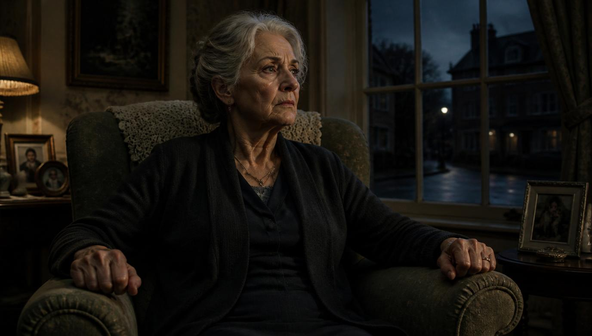
I sat across from her.
I wanted to say: *it’s done.* I wanted to give her a word that closed something. But I had spent enough time in this house in the past week to understand that nothing was simply done.
So I said nothing. I poured more tea into her cup, and she let me, and that was its own kind of language.
The Part That Cost Her Something

She spoke first, eventually.
She said she had not expected it to feel like that. She said she had expected to feel frightened when he walked in, and she had, briefly, and then the fear became something else entirely once she started talking.
She said: *I think I was angry. I do not think I realized how angry I was until I was already saying it.*
What Anger Looks Like On My Mother
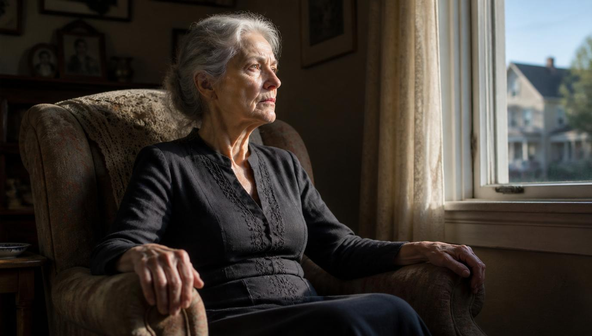
I had not seen it often.
Diane Whitmore’s anger is not loud. It does not perform. It sits inside her posture and her diction like ballast, keeping her level when everything around her is attempting to tip her over.
Watching her speak to Ryan had been like watching a person finally set down something very heavy with extraordinary care, so as not to damage the floor.
The End Of Ryan

I told her on the drive home that night. I said it simply.
I told her that Ryan and I were finished, and she said she was sorry, and I said I was not, which was mostly true and partly a thing I was still moving toward.
She squeezed my hand across the gearshift, a small and exact gesture, and I kept my eyes on the road.
What The Night Actually Left Behind
I did not sleep cleanly.
The satisfaction I had expected was there, but it was layered over things I had not accounted for. I kept returning to the way Ryan’s face had moved when he saw my mother. That compression, that fraction of a second before recovery.
He had been scared. And then he had not been, until I made him be. That sequence told me something about how many times he had done this without anyone making him afraid.
The Message I Did Not Answer

He sent a text at eleven forty-three.
I read it once. It contained the word *explain* and the word *fair* and a version of himself as a man who had made one poor decision in an otherwise reasonable life.
I set the phone face-down and did not respond, and the next morning I blocked the number, which was the last administrative task the relationship required.
Priya, The Following Evening
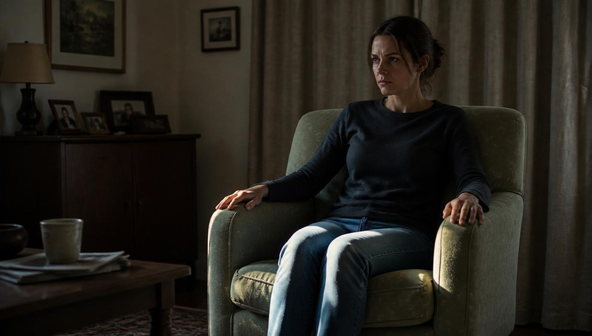
She arrived with takeout containers and the expression of a person who has been exercising significant restraint.
She let me eat before she said anything consequential, which I recognized as an act of love.
Then she said: *You did it exactly right. And I need to ask you something you are not going to want to think about yet.*
The Question I Had Already Been Carrying

She did not make me guess. Priya never makes me guess.
She said: *How many Dianes are there?*
She said it quietly, without accusation, looking at the table rather than at me, which meant she already understood this was not a question she was asking to wound me.
It was a question she was asking because she knew I was the person who would need to answer it eventually.
What I Could Not Say
I could not say it was only Diane.
The practiced nature of it. The specific calibration of how much to take, how to position himself, how long to stay. The way he knew that shame was the most reliable lock.
None of that was built in an afternoon. It had been constructed over time, over repetition, over other women standing in other doorways feeling the particular powerlessness of someone who has already said yes.
What Recovery Looks Like, Slowly
I drove to my mother’s house on Sunday.
I brought groceries I knew she did not need, which was my habitual language of care, and she accepted them with a roll of her eyes that meant she was glad I came.
Her chair was by the window. The light came through and settled across the arm of it, and she was sitting in it reading when I arrived, and the sight of her there did something to the tightness I had been carrying in my chest all week.
The Thing She Said About The Apology
We were washing up after lunch when she said it.
She said she had been rehearsing, internally, a continuous inventory of every moment she could have responded differently. Every word she should have said, every door she should have closed sooner.
She said she had decided to stop. She said it the way people say things they have arrived at with effort: plainly, without decoration, tired in a way that was also a relief.
Where We Were Left
She was sixty-three years old.
She had spent a significant portion of her life managing what other people did to her in the privacy of her own composure, and she had decided that particular arrangement was finished.
I stood next to her at the sink and we did not make it a moment. We just finished the dishes, and I dried while she washed, and outside the window the afternoon continued like it intended to stay.
What I Found When I Stopped Moving
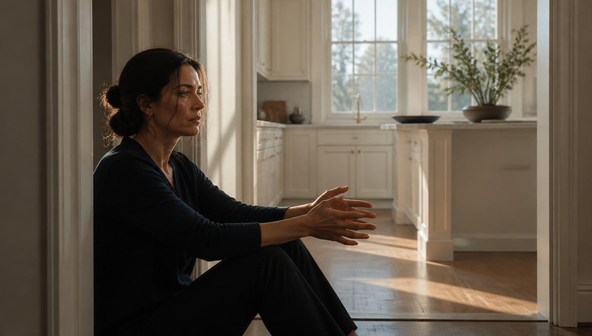
The week after Ryan left my life had a texture I had not anticipated. I kept reaching for the next task, the next item to resolve, and finding nothing with enough weight to hold my hands.
That absence was its own information.
I had built an entire interior architecture around staying busy, and the work had finished, and what was underneath was not peace but something rawer. Something that had been waiting.
The Inventory I Did Not Want To Make
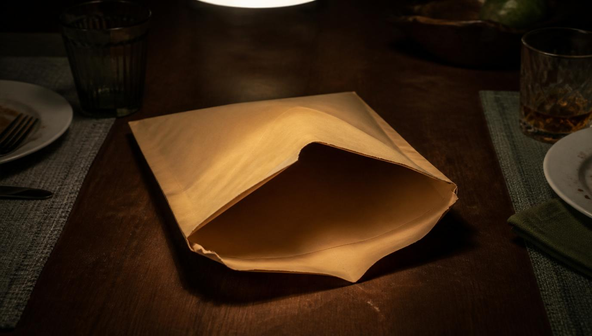
I started it anyway, the way I start anything I do not want to do: methodically, in the early morning before I could talk myself out of it.
The receipt. The envelope. The energy in his eyes when he came home with money that moved too fast.
I had collected all of it and filed it incorrectly, and I was not responsible for what Ryan did, but I was capable of seeing exactly where I had chosen softness over sight.
What Priya Said About That
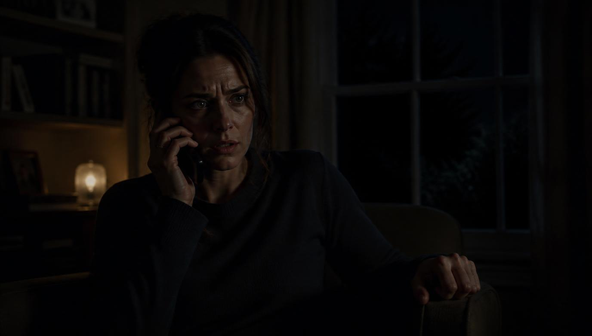
I told her, on the phone, late enough that both of us were in our separate darknesses.
I said I kept returning to the moments I had the information and did not read it. She was quiet for long enough that I thought the call had dropped.
Then she said: *You’re not the one who owes anyone an accounting, Clara.* She said it firmly. But she did not tell me to stop the inventory entirely, because she knew I needed to finish it.
The Formal Complaint
I called the non-emergency line on a Thursday.
The woman who answered was patient and specific, and I was specific back, which she seemed to appreciate. I explained what had happened to my mother in language that was clear and sequential.
She told me what filing would require. I wrote everything down. I told her I would call back, and I meant it, and that intention was different from every previous version of letting things rest.
Bringing My Mother Into It
I did not assume she would agree.
I sat with her at her kitchen table on a Saturday morning and I laid out what I was considering and what it would involve. I told her it was entirely her choice.
She looked at the table for a long time. Then she said: *If there are others like me, and you know as well as I do that there are, then my choice is to stop protecting the wrong person’s privacy.*
The Version Of Her I Had Not Seen Before
She said it without ceremony.
She did not frame it as courage. She framed it as a correction, a decision about where her energy had been going and where it would go now.
I thought about all the years I had watched her absorb difficulty in silence, and I understood that this was not her becoming a different person. It was her becoming more fully herself, clearing away what had accumulated on top of her.
Filing It Together

We went in person.
The officer who took the report was younger than I expected and thorough in a way that made the room feel functional. My mother spoke clearly and without apology, and I sat beside her and did not speak unless I was asked.
She had all the information. She had needed me there not to carry it but simply to be present while she put it down somewhere official.
What The Officer Said About Patterns

He mentioned, carefully, that the description and the method were not unfamiliar.
He did not elaborate beyond what he was permitted to say. But the way he said it, the particular stillness in his expression, confirmed what I had already understood.
Diane was not the first. The documentation might mean she was one of the last. That was not a promise, but it was a direction, and directions are what you work with when guarantees are not available.
The Drive Home

She was quiet for the first mile.
Then she said the thing felt lighter than she had expected. She said she had anticipated feeling exposed, and instead she felt, she searched for the word, *factual.* As if she had simply placed something in the correct location after carrying it in the wrong one.
I kept my eyes on the road and felt something in my chest rearrange itself into a shape I did not have a name for yet.
The Call That Surprised Me
Priya called two days later with news I had not prepared for.
She said she had mentioned the situation to a colleague whose sister worked for a local consumer protection office. She said the colleague had said it was not the first inquiry they had received with a similar description, and that there was a process for aggregating reports.
She said: *You are not operating alone anymore.* I held the phone and understood that she was right, and that I had not realized how much weight that word *alone* had been carrying.
What Ryan Lost That I Had Not Considered
I thought about it one evening while I was making dinner.
Not the money. He had lost the money, which was concrete and deserved. But what he had actually lost was the specific assumption he had built his operation on.
He had targeted my mother because he believed she was connected to no one who would organize against him. He had been wrong in the most particular way possible. That error was going to follow him in ways he had not yet finished calculating.
The Belief I Was Retiring
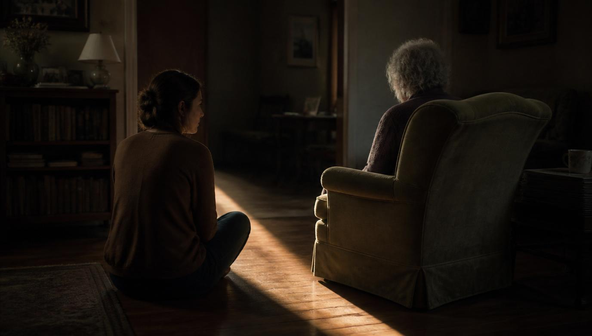
I had spent a long time believing that love looked like management.
That the most important thing I could do for my mother, for anyone, was to stay ahead of every threat and absorb every difficulty before it could reach them. That my value was in my vigilance.
What I had actually done that mattered was not the planning or the envelope on the table. It was sitting beside my mother while she spoke for herself.
What The Work Looks Like Now
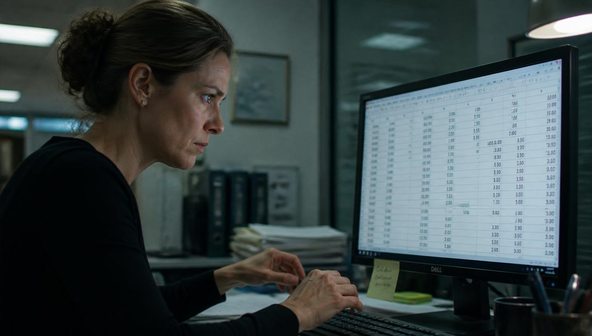
I was at my desk on a Wednesday when a discrepancy flagged in a quarterly report.
I found it in four minutes, traced it back, documented it clearly. The work is the same. My hands move the same way across the keyboard.
But something behind the work has shifted. When I look at what does not add up now, I no longer sort it into categories that protect me from the conclusion. I just read what is there.
Priya’s Final Statement On The Matter
She said it over coffee, without preamble, in the way she delivers all of her most precise observations.
She said Ryan lost the money that night, but the thing he had actually been spending all along, the thing he could not replenish, was the assumption that certain people have no one watching.
She wrapped both hands around her cup. She looked at me and said: *He was wrong about your mother from the beginning.* I said: *Yes.* I said: *He was.*
Sunday Morning At My Mother’s House

She was in her chair by the window when I arrived.
The light came through exactly as it always has, the particular morning angle that has belonged to this house my entire life. She did not look up immediately. She was reading, and she was not performing composure.
She was simply there. Present in her own space, in her own light, unhurried and undiminished. I stood in the doorway for a moment before she saw me, and I let myself have that. I had earned the right to see clearly. I intended to keep it.


