
Stress might feel like it is just part of the modern life, but it does not have to control you. Stress is something we all deal with at home, at work, with our money and family. While big lifestyle changes can help, consistent daily habits often make the biggest difference. In this post, we will explore simple research backed ways to reduce stress each day. None of them require a lot of time or money, just a bit of awareness and practice.
The reason why small habits matter
Stress does not always come from big problems, it is mostly a combination of a lot of micro stresses like emails, traffic or never ending to do lists. Small habits are like quick fixes that stop stress before it gets too big, and because they are easy to do, you are more likely to keep doing them in order to prevent that it will end up in a big stress problem.
Take one deep breath
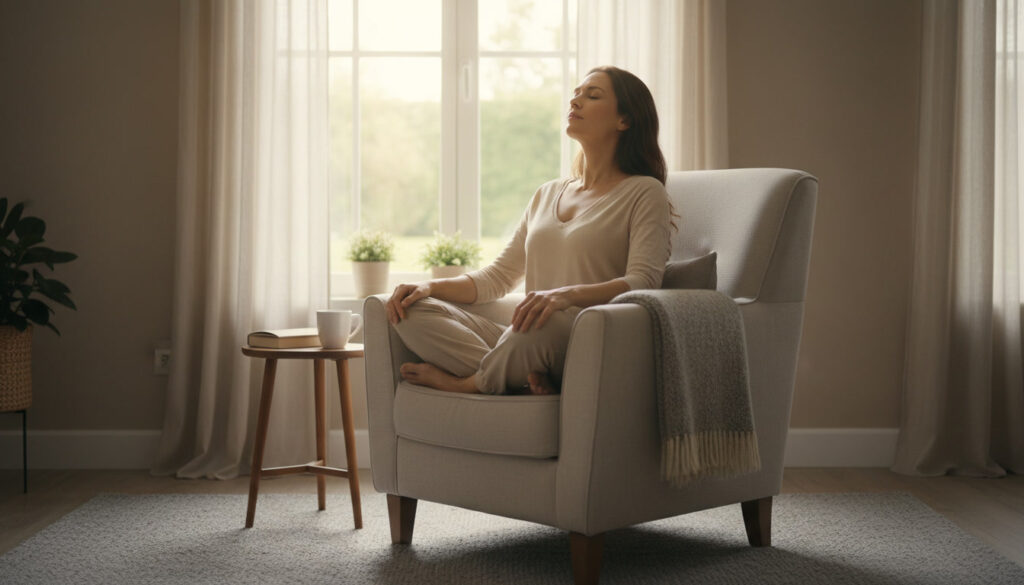
It may sound too simple, but breathing is one of the fastest ways to calm your body. When you are stress, your body tenses up, a single deep breath can help calm your nerves, and science shows that slow breathing lowers the stress hormone and tells your body to relax. For a deep breath, try to breathe in for 4 seconds, hold it for at least 4 seconds, and then also breathe out for 4 seconds. This trick is called box breathing and is even used by the Navy SEALS to stay calm in tough moments.
Start your day with one simple action
The way you start your morning has a big impact on how the rest of your day is going to feel. If you roll out of bed and instantly start scrolling your phone or checking your emails, you often carry that rushed distracted energy into the day. If you begin with one small positive action, it can improve your mood and make you more resilient to stress.
This does not have to be complicated. You might simply drink your morning coffee in silence and write down three things you are thankful for, and after that, you step outside to feel the fresh air on your face. These little rituals remind you that you are in control of your day and not the other way around.
A great example is Sarah, she is an accountant with a busy schedule. She started doing just five minutes of stretching every morning before looking at her phone, and she found that her body felt lighter and her mind was calmer. That short habit changed the way she handled stress and work.
Move your body, even a little
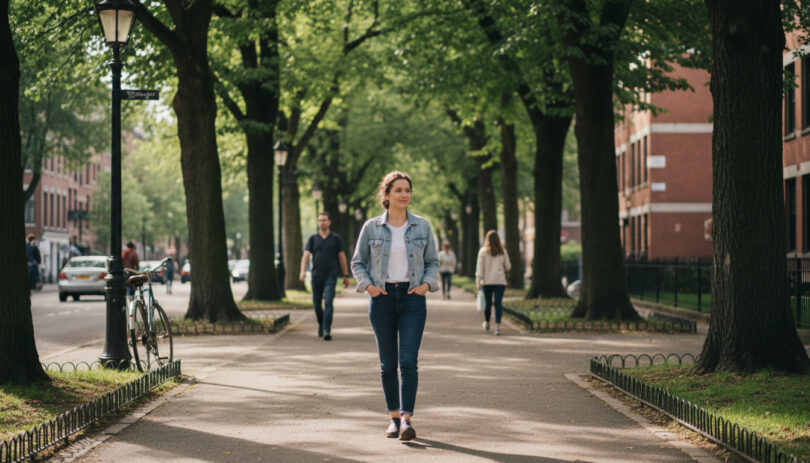
When you are stressed, it is easy to stay glued to your chair or couch, but moving your body is one of the best ways to handle situations where you experience a lot of stress. Physical activity releases chemicals in your brain that boost your mood and help you feel more relaxed. You do not need to hit the gym for an hour to see benefits, but a quick 10 minute walk around the block, some stretches at your desk, or even dancing on a song which you hear on the radio can make a noticeable difference. The key is not the length of the movement, but it is all about the consistency.
A helpful trick is to pair movement with something you enjoy. For instance, listen to your favorite podcast while you are walking for 2 hours around the block. In that way, you will start to look forward to it instead of treating it like another task on your list you actually do not want to do.
Take short breaks throughout the day
Many people push through work without pausing, and they think that they will be more productive. In this case, the opposite is true because when your brain never gets a break, your focus drops and stress rises. Think of your mind like a web browser; if you keep too many tasks open, it will slow down a lot. Short breaks are like closing those extra tabs so your brains can work properly again. Research shows that even five minute pauses improve concentration and can reduce stress related fatigue.
Try to step away from your desk more often and start to drink water without checking your phone, or get a cup of coffee to relax. These micro breaks create small resets that make the whole day feel easier to manage.
Practice small gratitude moments
Gratitude may sound like a cliche thing, but it has real power. When you take a moment to appreciate what is good in your life, your brain naturally shifts away from stress and negativity. It does not have to be big or formal, tiny moments are enough.
You might thank the person who holds the door for you, pause to notice the sunshine during your walk, and try to think of at least one positive thing before going to bed. Studies from Harvard show that practicing gratitude not only lowers stress, but also helps you sleep better and feel more connected to others.
Declutter your digital life
Our phones are one of the biggest stress triggers because it constantly pings, emails come in, and notifications keep our nervous system on high alert. This makes it hard to truly relax even when the working day is over. Try to set boundaries with your devices by turning the non essential notifications off and keep your phone away during the mails and before you go to bed. Many people find they sleep better and feel calmer when they are not glued to screens all evening.
A great example for this is Mark. He is a project manager who stopped checking work emails after 8 pm, and within two weeks he said evening felt like his own again, plus he was noticeably less stressed.
Final thoughts
Stress will never disappear completely in our lives, but you do not have to let it control you. By adding small habits like breathing deeply, moving your body, and taking short breaks, you will build a lifestyle where stress has less power. These daily choices may seem small, but they add up to big results. Start with just one habit today, and you will notice over time that life feels calmer, lighter, and easier to handle.



You must be logged in to post a comment.