
The Story Starts Below!

The Watch That Runs Slow
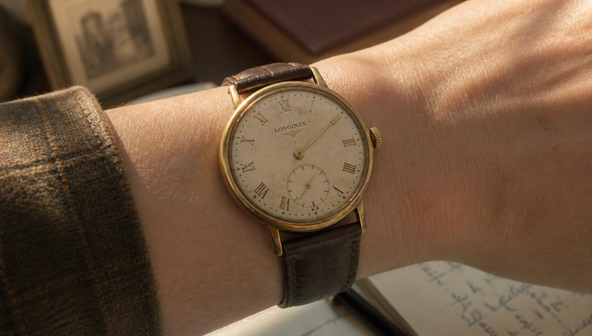
I have a watch that loses two minutes every week.
I’ve known this for years. I simply adjust.
That’s the thing about me that nobody in my family has ever thought was worth remarking on. I don’t fix things. I absorb the gap and keep moving, quiet and precise, like a timepiece that knows its own flaw.
The watch was my father’s. I wear it every day.
What I Built From Nothing Borrowed

Fifteen years ago, I started with a single corporate account and a borrowed folding table.
Now I run Whitmore Hospitality Consulting out of a two-room office on Delancey Street.
I coordinate events, manage vendors, troubleshoot the invisible machinery that makes a room full of people feel like a seamless occasion. My clients don’t see the work. That’s the point. The work is good when no one notices it happened.
I have built a reputation on being the person who does not drop things.
How Families Divide Their Children

My sister Paige was born seven years after me, and the family reorganized around her like furniture around a fireplace.
She was warm and people wanted to be near her.
I don’t say this with bitterness, or at least I didn’t used to. I say it the way you’d describe weather. Paige drew people in. I held the structure up. That was simply how our particular family worked, who stood in the light and who kept the lights on.
Our mother Renata never acknowledged the division. She didn’t have to.
What the Announcement Sounded Like
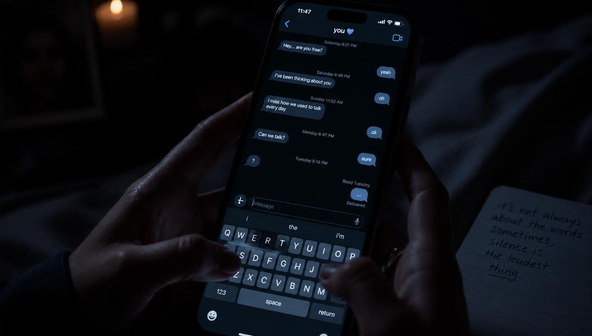
Paige called me on a Tuesday in November to tell me she was engaged to Dominic Hale.
Her voice was bright and slightly breathless, the voice she uses when she’s already composing the story she’ll tell about the moment.
I said everything right. I asked about the ring, about the proposal, about whether his family was celebrating. She answered in vivid detail. I took notes without meaning to, habit from years of listening for the logistics underneath the emotion. By the end of the call, I had already begun to think about venues.
She never asked for that. I simply started.
The First Favor That Wasn’t Called a Favor

Three weeks after the engagement, Paige mentioned she was struggling to get a callback from Thornfield Gardens, the venue she wanted.
She mentioned it the way she mentions most things she needs. Sideways. Casually. Embedded in a sentence about something else.
I know the coordinator at Thornfield. Her name is Sandra, and I’ve directed four bookings her way over the past six years. I called Sandra the next morning. Paige had a confirmed tour by Thursday. When she texted me afterward, she said the venue was perfect and sent a single heart emoji. That was all.
I told myself it was enough.
What Renata Calls the Natural Order
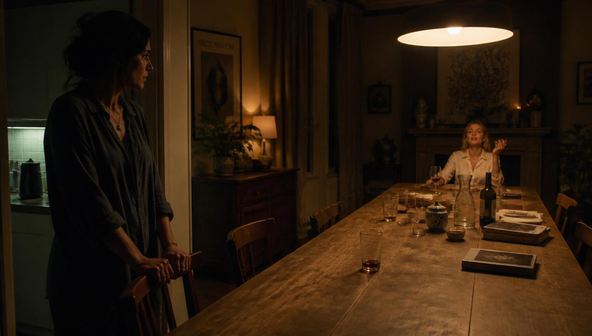
My mother threw a small engagement dinner at her house in February and seated Paige at the head of the table.
This was not unusual. Paige sits at the head of things. I arrive early and set them up.
I had driven forty minutes to bring two dozen homemade cheese straws because Paige mentioned once, three years ago, that she loved them. Renata put them in a bowl without comment. During dinner, someone asked how the wedding planning was going, and Paige talked for eleven minutes straight. I counted. I was sitting at the corner of the table nearest the kitchen door.
Nobody asked me a single question about myself that night.
The Florist and the Deposit

The florist’s name is Marguerite, and she runs a shop called Briar & Bloom on the edge of the arts district.
I’ve known her for nine years. I’ve sent her seven brides.
In March, Paige fell in love with Marguerite’s work after I showed her the portfolio. The deposit was twelve hundred dollars, due on signing. Paige texted me at nine-forty on a Thursday evening: *her account transfer won’t clear until Monday and the florist needs it tonight to hold the date.* No question mark. No could you. Just the information, delivered the way you’d describe a weather delay.
I transferred the money before ten o’clock.
The Story I Was Telling Myself

I told myself I was investing in something.
Not money, exactly. Something harder to name. The wedding was going to be beautiful, and I was going to be there watching Paige walk down an aisle I had quietly helped build, and the family was going to look at me that day as something other than the person who solved things.
I had been telling myself this story in some form for most of my adult life. The occasion changed. The story didn’t. One day they would turn from the event and see the person behind it. One day being indispensable would convert, the way currency converts, into something warmer.
I was forty-one years old and I still believed this.
Eleven O’Clock on a Wednesday

The catering conflict arrived in my inbox at eleven-fourteen on a Wednesday night in April.
Paige had forwarded me an email from the caterer with no subject change and no message. Just a forward.
The caterer had flagged a discrepancy between the appetizer count and the guest list total, a difference of thirty covers that would affect the per-head pricing and the service timeline. This required someone to call in the morning, reconcile the numbers, and confirm the revised order. Paige did not ask me to do this. She simply sent me the email, which in our private language meant the same thing.
I set an alarm for seven-thirty and called the caterer at eight.
What My Hands Are Always Doing
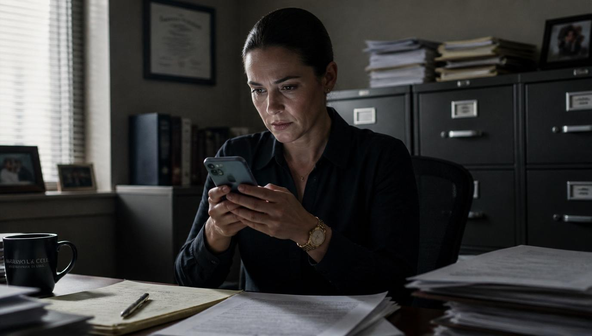
My hands were sorting vendor confirmations the morning I realized I was the only person in this wedding who was not being treated as a guest.
I was at my office desk with three folders open, a coffee going cold beside my keyboard.
I had tabs open for the florist, the caterer, the equipment rental, and the linen company. My name was on intake forms for four of the six vendors Paige had engaged. Not as bridesmaid. Not as sister. As primary contact. The person you call when something needs resolving. I looked at my own name repeated across those documents and felt something I immediately overrode, a small, cold tightening in my chest that I diagnosed as stress and moved past.
I closed the folders and opened my calendar.
The Thing About Being Built For It
Renata used to say I was built for organizing.
She meant it as a compliment. I received it as one, for most of my life.
She would say it at family gatherings when I refilled things or managed seating or solved the problem of the broken coffee urn before anyone else noticed it was broken. *Camille is built for it,* she would say, and people would nod and Paige would smile and I would feel, briefly, useful in a way that almost resembled being valued. Almost. The distance between those two things is very small when you are standing close to it. It only looks like a gap when you step back.
I had not yet stepped back.
What Paige Accepted Without Asking
By May, I had put my name on emails to six vendors.
I had called in a professional favor for the venue, covered a deposit, resolved a catering discrepancy, and spent three weekends driving Paige to appointments she was running late for.
Paige accepted all of it without once formally asking. This was deliberate, though I could not have told you so at the time. If she never asked, she never owed. If I volunteered, it was simply what I did, ambient and automatic, like the hum of a refrigerator. You don’t thank a refrigerator for running. You only notice it when it stops.
I did not stop. Not yet.
Helen’s Phone Call
My cousin Helen called me in late May, ostensibly to catch up.
She talked for twenty minutes about her garden renovation and her son’s school performance before she asked how the wedding planning was going.
I told her I’d been involved, that I’d helped connect Paige with some vendors and sorted out a few logistical things. There was a pause on Helen’s end that lasted two seconds too long. Then she said, *oh that’s nice,* in a voice that was careful in a way her voice is not usually careful, and changed the subject to a relative’s retirement party. I noticed it. I filed it under my own tendency to read too much into silences.
I was wrong to do that.
The Envelope That Should Have Alarmed Me
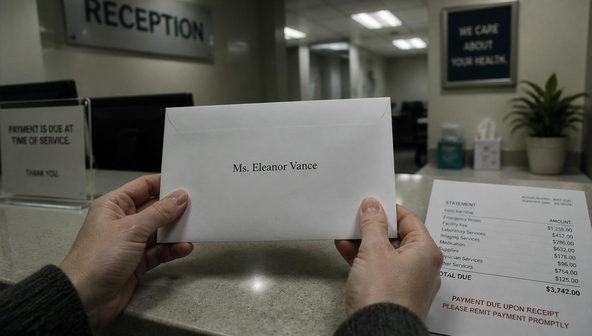
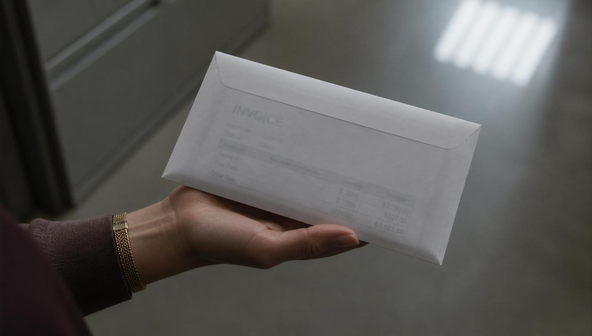
A payment summary arrived in my office mail in the first week of June.
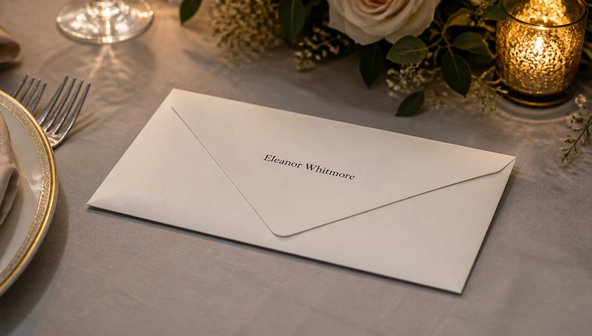
It came from the venue, in a standard white business envelope with my name on the front.
It listed the event date, the client name, the package total, and a breakdown of deferred charges. My name was printed in the contact field at the top. I stared at it for a moment. Then I told myself it was standard documentation, that venues send secondary copies to primary contacts for their records, that this was simply one more piece of ordinary paperwork generated by a process I was already inside. I slid it into the folder I’d made for Paige’s wedding. I did not call the venue to ask about it.
I should have called the venue.
The Decision That Felt Like Strength

Six weeks before the wedding, I made what I considered a mature decision.
I decided to stop asking questions and simply trust that it would come together.
I was proud of the decision. It felt like growth, like I had finally shed the anxious need to control and was capable of showing up without managing. I wrote it in my journal that night, the way you write down something you want to hold onto. *Trust the process. You’ve done your part.* I closed the journal. I did not know yet that I had just made it easier for the architecture around me to finish being built, with my name load-bearing at the foundation, and no door left in it for me.
The Shift I Almost Missed
Paige stopped answering my calls directly sometime around the first week of June.
I noticed it the way you notice a draft — not all at once, but through accumulation.
She would respond to texts, but hours later. The messages were clipped, logistical. *That’s handled.* *Already sorted.* *Don’t stress about it.*
The warmth that had always existed on the surface of our exchanges, however thin, had gone somewhere I couldn’t locate.
What Clipped Messages Sound Like
I asked about the rehearsal dinner schedule on a Tuesday.
She told me details were still being finalized.
I asked whether the seating chart had gone to the venue. *Handled,* she said. One word. No punctuation.
I asked, carefully, about my plus-one situation, a question I’d raised in March and never received a clear answer to. She said: *don’t stress about it.* The same phrase she’d used twice before. I began to understand it was not reassurance. It was a door closing, very slowly, so I wouldn’t hear the latch.
What Renata Offered Instead of Answers
I called my mother when the unease became too specific to ignore.
Renata listened for forty-five seconds before she began managing me.
Paige was overwhelmed, she said. Weddings were stressful. And Camille, she added, in the voice she uses when she is about to say something that will be framed as concern, had a tendency to make things about herself.
I had heard this from her before. Dozens of times across decades. The framing was so familiar I stepped into it like an old groove and stopped pushing.
The Story I Told Myself Instead

I decided I was projecting.
I reasoned through it carefully, the way I reason through event logistics, step by methodical step.
I was so accustomed to being needed, I told myself, that the absence of need felt like exclusion. My unease was not signal. It was neurosis. The pattern I was sensing was a pattern I was imposing on ordinary silence.
I found this explanation convincing because I wanted to. I doubled down. I sent Marguerite at Briar & Bloom a goodwill message on Paige’s behalf, unprompted, just to keep the vendor relationship warm.
What Marguerite Said Back
Marguerite responded within the hour, warmly.
She confirmed that everything for the Whitmore-Hale event was on track and thanked me for staying involved.
She also mentioned, in passing, that my name was still listed as primary contact across the full contract. Not Paige’s. Mine. I read this and felt nothing alarming. I felt only the familiar low hum of being useful.
It did not occur to me to ask why Paige’s own name had never replaced mine in the four months since booking.
Helen’s Retirement Party Conversation
I ran into Helen at a family gathering mid-June, a cousin’s retirement lunch at a seafood place near the harbor.
She was warm, a little overly so, and talked faster than usual when I sat beside her.
Someone at the table brought up the wedding. Helen’s eyes moved to me for a fraction of a second before she looked away. She said, *it sounds absolutely beautiful,* to the table at large.
Not to me. To the table. As though I were a stranger who happened to be near a conversation about my own family.
The Retirement Party, Continued

I brought it up directly after the entrees arrived.
I said I’d been fairly involved in the planning, that I’d connected Paige with several of the vendors.
Helen said, *oh, right,* and reached for her water glass. The pivot was immediate and total. She moved to the subject of the retiree’s travel plans with the practiced smoothness of someone who had been hoping that topic would not come up.
I watched her change the subject and understood, in the part of me that understands things before I allow myself to know them, that something had already been said to her. About me. About my absence.
What the Seating Chart Would Have Shown

I didn’t have access to the seating chart.
This did not initially strike me as strange. I wasn’t the planner. I told myself I had no reason to need it.
But I had resolved a catering discrepancy in April that required knowing the guest count. I had confirmed the table linen order in May, which required knowing the table configuration. I had been close enough to the structure of this event to know its shape from the inside. And not once, across nine months, had anyone sent me a copy of the chart that showed my own name assigned to a seat.
The Way Absence Takes Up Space
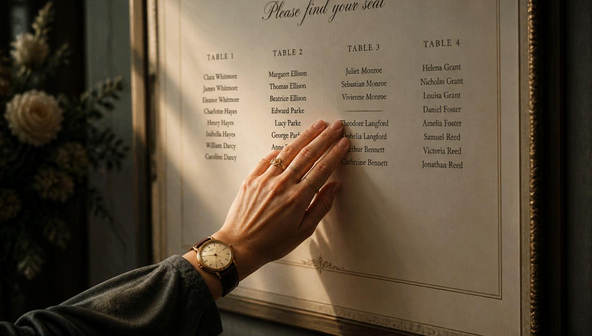
The absence of my name on that seating chart was a kind of presence.
It had weight. It took up a specific, shaped space in the architecture of the weekend. Someone had looked at a column of names and not included mine. That required a decision. That required intention.
I did not let myself think about it this way in June. I called it an oversight. I called it something that would be corrected. I added it to a mental list of things I would ask about when the timing felt less stressful for everyone.
The timing was never going to feel less stressful. That was the design.
The Maturity I Was Proud Of

I made my decision to stop asking questions on a Sunday evening.
I wrote it down. I was proud of it. I had decided to trust.
What I understand now, and could not then, is that my willingness to stop asking was the last piece the architecture needed. Every question I had been asking was a potential exposure point. Every time I called to confirm something, there was a chance the structure could be seen from the outside.
When I stopped asking, I removed the last risk. I handed Paige the sealed room.
What Tess Looked Like Carrying That Envelope

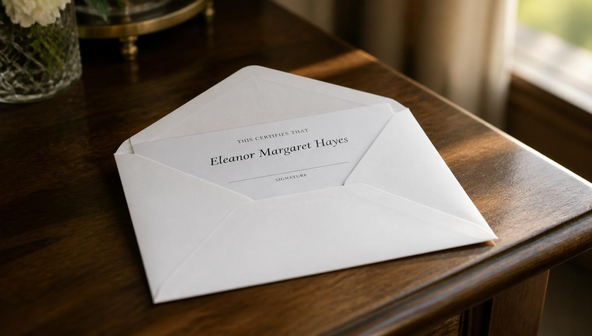
I met Tess the coordinator for the first time at the rehearsal dinner.
Except I did not attend the rehearsal dinner. I arrived at the venue and was not on the admission list.
Tess was not there that night. I’m reconstructing her from the next morning, from the image of her moving through the venue in her black coordinator’s clothes, the clipboard at her side, the sealed white packet in her other hand.
She looked efficient. She looked kind. She had absolutely no idea what she was carrying.
The Coordinator at the Door
The woman at the rehearsal dinner entrance knew me.
Her name was Sandra, the same Sandra I had called in November to get Paige a tour date, the same Sandra who had returned my call within twenty minutes because of who I was to her professionally.
She looked at the list. She looked at me. And then she asked, with the most careful neutrality I have ever heard deployed by another human being, whether I was perhaps expected at a different entrance.
That question contained the whole truth inside it. I heard it. Every word of it. I understood exactly what it meant.
What I Did Instead of Making a Scene
I didn’t make a scene.
I said, *of course, I may have the details wrong,* and I smiled the smile I have spent fifteen years deploying when an event is fracturing and I need everyone around me to stay calm.
I walked back to my car. I sat in the driver’s seat with my hands in my lap and my watch face up on my left wrist, and I breathed in the slow, deliberate way I breathe when I am deciding how to handle something.
The two-minute gap. The adjustment. I had been making this adjustment my entire life.
What the Phone Calls That Night Told Me
I called four relatives that night.
Every one of them answered with a pause. Every one of them offered reassurances that were slightly too detailed to be spontaneous.
Three of them used some version of the phrase *probably wasn’t coming.* Not *we weren’t sure,* not *there was some confusion.* Probably wasn’t coming. The passive construction of a sentence someone else had scripted and distributed. The exclusion had not been an oversight. It had been narrated. Someone had given them the words to use when I called, and I was calling, and they were using them.
What Clarity Feels Like Before It Costs You Everything
I sat in my car outside my own apartment at eleven-forty that night.
The city was doing what cities do, indifferent and continuous.
I had been excluded from my sister’s wedding. Not forgotten. Not overlooked. Excluded. Deliberately, quietly, and with enough advance coordination that four separate relatives already had a story ready. My name was on the vendors’ paperwork. My name was on the contracts. My name was listed as the responsible party on a payment summary sitting in a folder on my office desk.
I was not on the guest list. But I was still on the bill.
The Morning I Went Anyway
I woke up at five-forty-three on the morning of the wedding.
I had not slept so much as waited in the dark for morning to arrive.
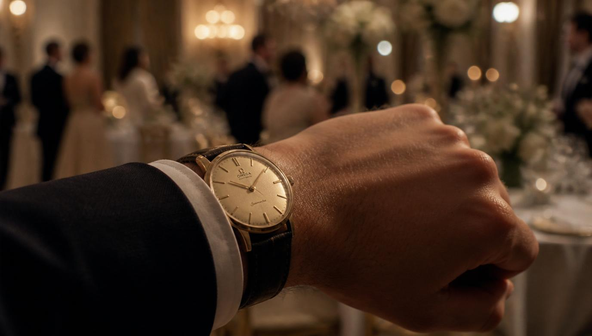
I dressed carefully. Navy, well-cut, appropriate. The gold watch on my left wrist. I stood in front of the mirror and looked at myself the way I look at a venue before doors open, checking for anything that would read as wrong.
What Going Was
I want to be clear about why I went.
Not to confront. Not to perform some public accusation in front of the Hales and their carefully pressed table linens.
I went because disappearing on someone else’s timeline is its own kind of defeat.
I had spent nine months building something real, and I was not going to be quietly subtracted from it as though I had never existed. My presence was the only honest thing left in the entire arrangement. I was going to stand in it.
The Staff Who Knew Me
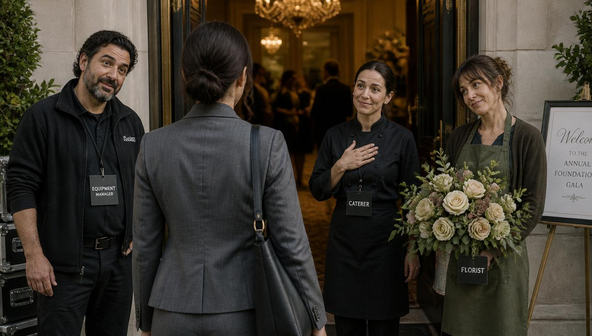
When I arrived at the venue, three people greeted me by name before I reached the main entrance.
The equipment rental crew. The catering van driver. A woman from the floral team who had called me twice in February to confirm installation details.
None of them asked why I was there. To them, I was exactly where I was supposed to be. The vendors knew the actual geography of this wedding far better than the guest list did. That told me everything.
The In-Between Space
I found the margin quickly, the space that exists at every event between the operational world and the official one.
Guests occupy tables and chairs. Vendors occupy loading bays and service corridors. I occupied the place between them, which was exactly where I had existed throughout this entire wedding.
I stood near a column in the main hall, a cup of coffee I hadn’t asked for pressed into my hand by a caterer’s assistant who assumed I was working. I did not correct him.
When Paige Saw Me
She was crossing the foyer with Renata when she saw me.
Her stride did not break. That was the first thing I noticed. A guilty person would have broken stride. Paige simply registered me, recalculated, and kept moving.
What her expression held in the three seconds before she looked away was not guilt. It was the specific, efficient look of a person updating a variable they had not accounted for. I was an unexpected element in a controlled equation. She was already solving for it.
Tess, and the White Envelope
Tess found me twenty minutes before the ceremony.
She was efficient and warm and entirely without malice. She thanked me for being available, said she was glad to catch me before things got underway, and held out a sealed white envelope.
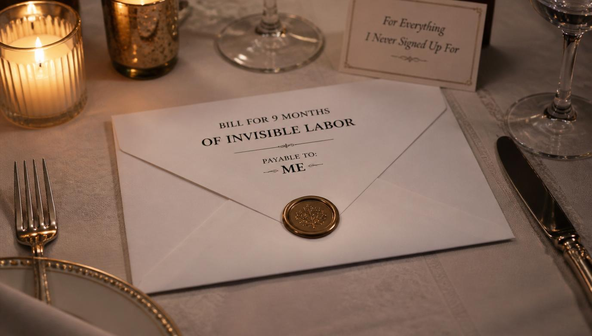
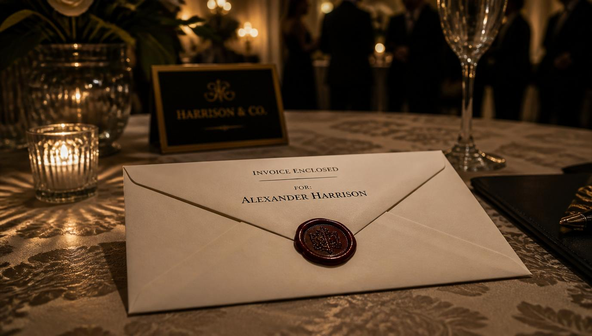
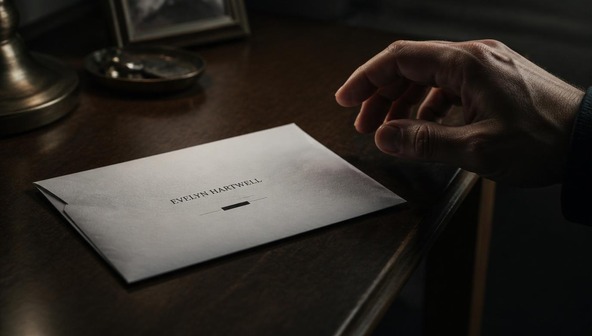
Inside was a payment summary. Fourteen thousand and change. My name, printed cleanly, in the payment-responsible field. A signature line, already prepared, with a small arrow sticker pointing to the blank. The whole thing had the texture of something arranged long before today. It had the texture of something inevitable.
What I Held in My Hands

I stood there holding the packet the way you hold something that has just changed the shape of your life.
The paper was ordinary. White, standard weight, slightly warm from being carried.
What it contained was not ordinary. It was the full and formal record of what I had been to this wedding. Not a sister. Not a guest. A financial instrument. A name on a liability line. A signature being requested on a document that had already, in all meaningful ways, been written without me.
Renata Appeared
She materialized at my elbow within four minutes of Tess walking away.
I do not know whether Paige sent her or whether Renata’s social instincts simply registered a disturbance and moved toward it automatically. It did not matter which.
Her message was already assembled. Pay the bill. Do not ruin this. Be the bigger person. Sort it out later. The words were different from every other time she had used this script, but the structure was identical, and I had heard the structure ten thousand times.
What My Mother’s Eyes Were Doing
Renata was not looking at me while she spoke.
She was looking past me, tracking the room, monitoring whether any of this was visible to the Hales. Her primary concern was calibrated entirely to Gloria and what Gloria’s assessment of this family would be in one hour.
I was not her daughter in that moment. I was a variable she needed to neutralize before the ceremony began. The distinction had never been so visible to me, and I wondered, with a strange cold clarity, how long it had always been this way.
The Private Space I Found
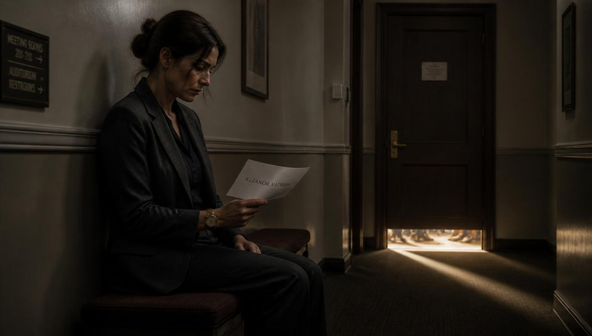
I excused myself.
I said I needed a moment and I walked to a corridor off the main hall that I knew existed because I had reviewed the venue layout in December when I was helping Paige assess room flow.
I sat on a narrow bench against the wall. The sounds of the wedding muffled behind a closed door. My phone in one hand. The envelope in the other. I looked at the invoice for a long time, not at the numbers but at my name, the way it sat in that field, as though it had always belonged there, as though it had been measured for that space.
The Three Phone Calls I Made
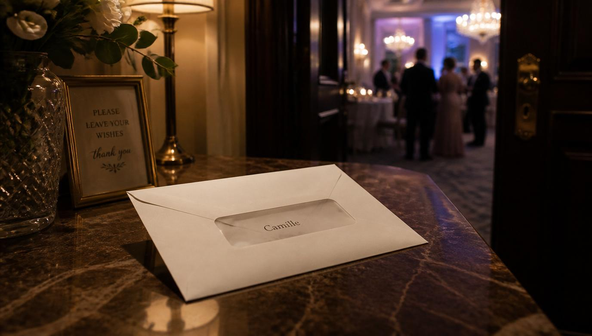
The florist first. Then the caterer. Then the equipment rental owner.
Three conversations. Each one followed the same architecture. I asked a question that seemed procedural. I received an answer that expanded the picture. Then I asked the question beneath the first question, and the picture expanded again.
By the time I finished the third call, I was not looking at a billing dispute or a family conflict or a sister who had made a desperate, careless mistake. I was looking at something deliberate and structural, built over months, brick by careful brick, using my name as the foundation.
What the Florist Told Me

Marguerite said Paige had described me as her business partner on the event.
She said it matter-of-factly, the way you state something you have understood to be true for months. She was not embarrassed. She had no reason to be. She had been told a clean, professional story and it had held.
When I asked whether I had signed any document to that effect, there was a pause. A small one. The pause of a woman who trusted handshakes and referrals and fifteen years of professional goodwill, and was now understanding that the goodwill had been borrowed without permission.
What the Equipment Owner Said
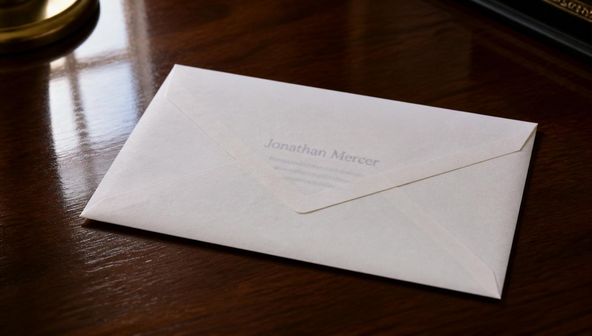
He had the damage deposit listed under my business name.
He mentioned it the way a person mentions an administrative detail, assuming I knew. He was eight years into trusting me on that kind of assumption. He said, *Camille, your name’s on the deposit hold, standard for your accounts with us.*
I asked him when that authorization had been submitted. He gave me a date. February. I had not spoken to him in February. Someone had used my name in February and I had been sitting at my desk assuming everything was fine.
The Thing That Dissolved Quietly

I had always believed that being indispensable was a form of being loved.
That the family needed me so much, so consistently, so specifically, that this need was its own kind of devotion. That one day they would turn and see the engine and feel what it had cost her to keep running.
What dissolved in that corridor, quietly and without drama, was the story. Not with a crash. The way a thing dissolves when you finally add enough light to it. There was no love in the architecture. There was only utility. There had only ever been utility. And I was the last one to understand it.
What I Did Before I Did Anything Visible
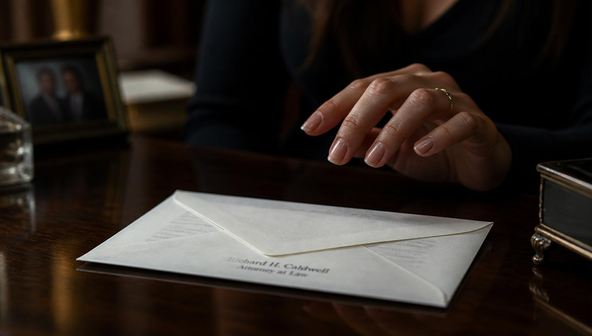
I called my lawyer.
She answered on the second ring. I asked her one specific question about liability exposure when your name is on a professional contract you did not knowingly authorize as the responsible party.
She told me, in the measured, clipped tone of someone who charges by the hour and respects the precision of language, that I had both the standing and the necessity to act. I thanked her. I hung up. I sat for one more moment in that corridor, with the closed door and the muffled sounds of a wedding that had used my name as its foundation. Then I opened my phone and I began.
The First Call Back to Marguerite

I called the florist again.
Not to explain. To inform. There is a difference, and I knew which one I needed to be making.
I told her my name had been used as backing for payment terms I had not personally authorized. I told her clearly, without apology, and without making it about my sister.
Marguerite was quiet for a moment that felt careful rather than surprised.
What Marguerite Said Next
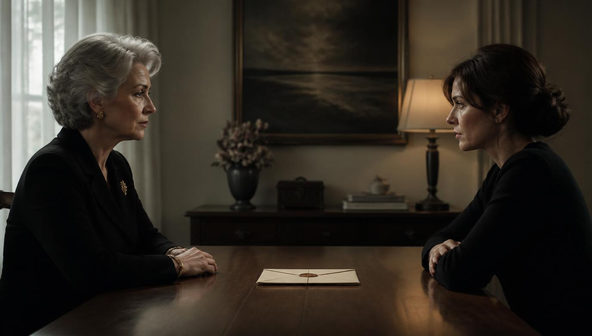
She said she had wondered.
Not about me, she clarified quickly. About the arrangement. Something had felt slightly sideways from the beginning, and she had decided the trust she had in me was sufficient to override the feeling.
She said that quietly, and I heard in it something that cost her to admit.
I told her the deferred payment was not something I could stand behind. I told her she deserved to know that now, while she still had options.
The Caterer’s Response Was Different
Marcus did not pause the way Marguerite had.
He asked one direct question: was my name on that net-thirty agreement with my consent. I told him no. He said, simply, *then I need to talk to the bride directly,* and his tone shifted to the flat, neutral register of a man who had just reclassified a professional situation.
He did not blame me. He did not ask me to fix it.
He thanked me for telling him while the event was still running.
The Equipment Owner Took Longer to Process
He was not angry. He was methodical.
He went quiet in the way that men who run operations on handshake trust go quiet when a handshake turns out to have been borrowed. I could hear him breathing steadily, thinking through the practical sequence.
He said he would need to flag the deposit hold.
He said it carefully, like a man placing a stone down rather than throwing it.
What I Was Not Doing
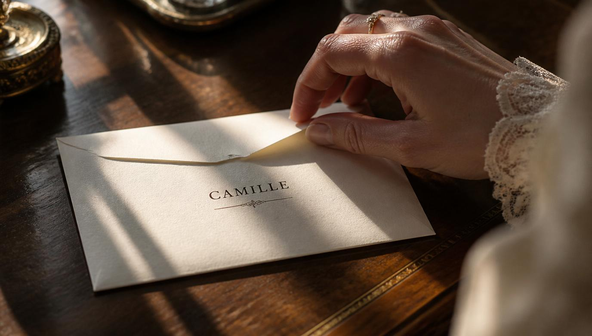
I was not dismantling my sister’s wedding.
I want to be precise about that, because the story that would later be told about this morning would use words like sabotage and vindictive and ruined. None of those words describe what I did in that corridor.
I was removing my name from agreements I never signed.
I was returning each vendor to the reality that had always been true, which was that Camille Whitmore was not the financial foundation of this event.
The Sounds on the Other Side of the Door
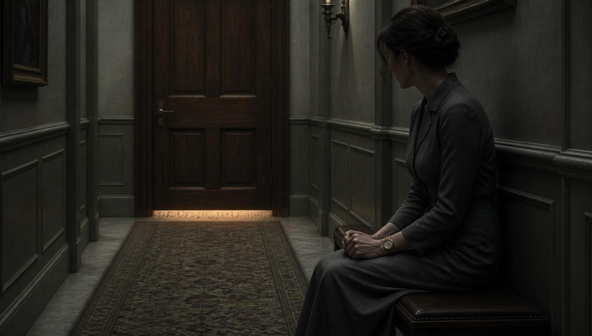
While I was making the third call, I heard the string quartet begin.
The ceremony music. Measured and clean, filtering under the door and through the walls of the corridor. Someone had chosen something classical, something that implied refinement and care and a family of substance.
I sat on the narrow bench and listened to it for a moment.
The gap between what that music implied and what I was holding in my hand was the widest distance I had ever experienced inside a single room.
My Name in Print
I looked at the invoice again while I waited for my lawyer’s callback confirmation.
My name in the payment-responsible field was formatted in the same clean sans-serif font as every other line on the document. It did not look fraudulent. It looked settled. Arranged. Like something everyone had agreed to long ago.
That was the design of it, I understood now.
The formality was the trap. The printing was the trap. The sealed envelope and the signature arrow and Tess’s professional warmth were all part of a structure designed to make refusal feel like disruption.
What Clarity Actually Feels Like
People use that word and mean something bright. Revelatory. A light coming on.
What I felt in that corridor was not light. It was more like the removal of static, a sound I had been hearing so long I had stopped registering it as noise.
The static was the story I had told myself for forty-one years.
Without it, everything was quieter and harder and more true.
The Door Opened
It was not Renata. It was Tess.
She looked at me with the specific expression of a professional who has realized mid-event that a variable she was given as stable is not stable. Not panicked. Recalibrating.
She asked, carefully, whether I had had a chance to review the packet.
I told her I had reviewed it fully. I told her my name had been listed without my authorization and I would not be signing. I said it the way I would say anything factual: evenly, without theatre.
Tess, to Her Credit
She did not argue. She did not push.
She absorbed the information with the practiced composure of someone who has spent years managing the gap between what clients arrange in advance and what is actually true on event day.
She said she would need to follow up with the bride.
She said it neutrally, already moving, already routing the problem where it actually belonged.
The Walk Back Through the Hall

I did not leave immediately.
I walked back through the main hall because my coat was near the entrance and because I had decided I would not slip out through a service corridor like someone who had something to be ashamed of.
The guests were beginning to move toward the ceremony space.
Several of the vendor staff nodded to me as I passed. A woman from the floral installation team touched my arm briefly and said the arrangements had turned out beautifully. I thanked her and meant it.
Renata Found Me at the Entrance

Her expression had changed.
It was no longer the managed, forward-focused look of a woman running a social operation. There was something beneath it now, a tightness that came from things beginning to slip outside the range she could contain.
She said my name in the tone she reserved for warnings.
I told her I was leaving. Just that. No list. No explanation she could argue with.
What She Said to Stop Me
She said: *Do not do this to your sister today.*
I stood with that sentence for a moment. The construction of it. *Do this to your sister.* As though I were the architect of the morning. As though the invoice had written itself. As though my name had placed itself in that payment field while I slept.
I looked at my mother.
I looked at her the way you look at something you have been too close to see clearly for a very long time.
What I Said
One thing.
*I didn’t do anything to her, Mom. I just stopped doing things for her. There’s a difference.*
I said it quietly. No performance. No trembling. The words were so simple and so long overdue that saying them felt less like a confrontation and more like setting something down that I had been carrying since before I knew I was carrying it.
I Walked Out
The morning light outside the venue was flat and grey and entirely ordinary.
My car was where I had left it. The drive home was twenty-three minutes. I did not cry until I was inside my own front door, and when I did, it was not the crying of a person who had lost something.
It was the crying of a person who had finally, at great cost, told the truth.
And truth, I was learning, does not feel like victory. It feels like the first honest breath you have taken in a very long time.
The Drive Home

The roads were quiet in the way that roads are quiet on a Saturday when everyone who matters is somewhere else.
I drove with both hands on the wheel and the radio off.
There was nothing to fill the silence with. No call to make. No problem to route. For the first time in nine months, I was not mid-task.
My Apartment in the Aftermath
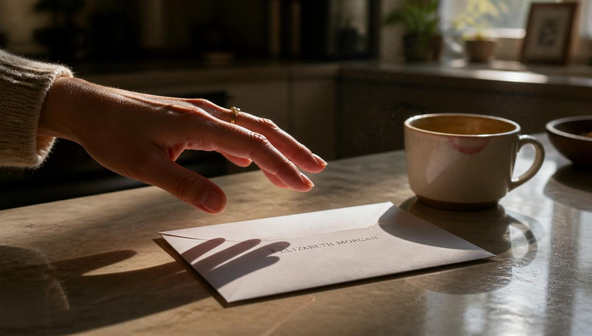
I stood inside my front door for a long time before I took off my coat.
The apartment was exactly as I had left it. Organized. Clean. A half-filled coffee cup on the counter from that morning, still useful once.
That was the thought that arrived: *still useful once.* I put the coat away and did not examine what I meant by it.
The Crying

It came in one wave, not several.
Not the heaving kind. The quiet kind, that sits behind your eyes for hours before it finally moves.
I leaned against the kitchen counter and let it happen.
It was not grief for Paige. It was grief for the version of the morning I had carried for nine months without knowing I was carrying it. The morning where the family finally turned and saw me standing there.
Forty-Seven Messages
I did not look at my phone for two hours.
When I finally turned it over, the number on the screen was not a surprise. It was confirmation.
Forty-seven messages from people who had not once, across nine months of planning, sent me a message to ask how I was.
What Renata’s Messages Looked Like
The first four were variations on a theme: *call me, this is not okay, you need to come back, people are asking questions.*
By the eighth, the tone had shifted.
By the twelfth, which arrived at eleven-seventeen that night, she had moved into the register she reserved for maximum pressure. The register that implied I was not just wrong but cruel. That register was not new. I had been hearing it since I was old enough to disappoint her.
Paige’s Three Messages
The first was wounded. It read like something written for an audience.
The second was clipped and logistical, asking if I had “done something” with the vendor contacts.
The third was a single line: *I can’t believe you would do this to me.* I read it three times. Each time, I noticed the same word. *To.* As though harm only traveled in one direction between us.
The Messages from Outside the Family
Dominic’s message arrived at nine forty-seven in the morning.
It was formal in the way that messages are formal when the person writing them is not sure what register is appropriate. He said he was trying to understand the situation with the vendors. He said he would appreciate a call when I was available.
The word *appreciate* was doing significant work in that sentence. It was the word of a man beginning to ask questions he had not thought to ask before.
Tess, Following Up
Her message was professional and brief.
She was following up on unresolved vendor payments and asked how I wished to proceed. She copied no one. She did not editorialize. She simply documented, cleanly, that the situation existed and that resolution was pending.
I respected her for that. She was doing her job with more integrity than she had been set up to do it with.
Gloria Hale’s Assistant

The last message I opened that night was the one I had not expected.
It was polite in the specific way that represents money and discretion and careful legal awareness. The assistant said Mrs. Hale was hoping for a brief call at my convenience regarding some questions about the event arrangements.
I set the phone down and stared at the ceiling for a long time.
What the Ceiling Did Not Tell Me

It did not tell me whether calling Gloria Hale was the right thing to do.
It did not tell me where the line was between protecting myself and accelerating something I had already set in motion.
What it offered instead was silence. And silence, I was learning, was not emptiness. It was the space where you finally heard yourself think without the static of everyone else’s needs running underneath it.
Renata’s Escalation Call
She called at eight the next morning.
I answered because I had decided I was not going to avoid things anymore. Avoidance was a strategy that had cost me forty-one years of absorbing consequences quietly. I was done paying that particular fee.
She said I had destroyed Paige’s marriage before it had started. She used that exact word. *Destroyed.*
What Destroyed Meant to Renata
She did not mean the financial deception.
She did not mean the vendor agreements. She did not mean the invoice delivered in my name or the nine months of professional trust extracted from me without consent.
She meant that I had declined to absorb it. That was the destruction. That was the harm she was naming. My refusal to disappear cleanly into the bill was, in her accounting, the only wrongdoing that had occurred.
What I Said and Did Not Say
I let her finish.
That was new. I had spent years interrupting my own silence with reassurance, with smoothing, with the reflexive labor of making Renata comfortable enough to stop pressing. I did not do that.
I said: “I’m not going to fix this one, Mom.” The same thing I had said at the venue. Still true.
The Weight of Holding It
She escalated further. She said things designed to move me.
Some of them almost did. The ones about family. The ones about Paige being young and making mistakes. The ones about whether I understood what I was throwing away.
I held the phone and I held the line and I felt both things simultaneously: the grief and the certainty. They did not cancel each other. They simply coexisted, the way all true things do.
The Call I Made That Afternoon
I called Gloria Hale’s assistant and confirmed I was available.
The call itself was scheduled for the following Tuesday. I did not know yet what it would confirm or how far the information would travel once I stopped being the person standing in front of it.
What I knew was simpler: I had spent forty-one years protecting a version of my family that was not real. I was not going to spend the forty-second year doing the same thing. Whatever came next, it would be true.
The Tuesday Call
Gloria Hale’s assistant had the voice of someone paid to be unreadable.
She confirmed the time, the format, and that Mrs. Hale would be joining shortly.
I sat at my desk with a notepad and a glass of water. Not because I needed either. Because having something in front of me made the waiting feel like preparation instead of dread.
Gloria’s Voice
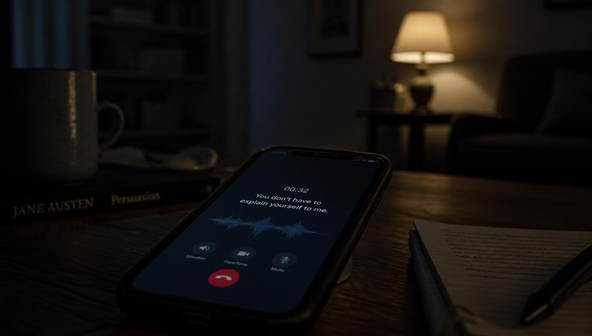
She came on the line without preamble.
Her voice was low and precise, the voice of a woman who had spent decades saying exactly what she meant and nothing beyond it.
She thanked me for my time. She said she had a few questions about the vendor arrangements from the wedding weekend. She said the word *arrangements* the way you say a word when you already know what it means and are offering the other person a chance to agree.
What She Already Knew
She did not need me to tell her much.
She named two vendors. She named the payment structures. She asked whether I had been present at the negotiations.
I told her no. I told her my name had been used without my authorization. I said it plainly and without decoration, the way I would have said anything factual in a professional context. She was quiet for four seconds. I counted.
What Four Seconds Sounds Like

It sounds like recalculation.
It sounds like a woman reorganizing information she had already partially organized into a shape that is now different.
She thanked me again. She said she appreciated my clarity. The word *clarity* landed differently than Dominic’s *appreciate* had. Hers felt earned. Like she had been looking for it and had not been finding it elsewhere.
After the Call
I sat at the desk for a while without moving.
I had not weaponized anything. I had not editorialized or inflated or aimed the information at anyone in particular.
I had simply stopped standing in front of it. That was all. And somehow that small act of stepping aside had allowed the truth to travel further in one phone call than it had in nine months of Paige managing the narrative.
Paige’s One Attempt
Her message came Thursday morning.
It was longer than her previous three combined. It began with something adjacent to hurt and moved steadily toward a proposal. She needed me to confirm to Dominic that the vendor arrangements had been a “collaborative misunderstanding.” She used that phrase twice.
I read it to the end without reacting. The ask was precisely what the backbone of our entire relationship had always been: absorb the cost, provide the cover, let the surface stay smooth.
What Collaborative Misunderstanding Meant

It meant: *say it was mutual.*
It meant: *give me the language that makes this survivable in my marriage.*
It meant that even now, with everything surfaced and documented and already in the hands of people beyond either of us, her first instinct was to reach for me as a tool. Not to apologize. Not to reckon. To extract one more thing, the way you return to a well because the well has never once refused you.
My Response
I wrote it in one draft and did not revise it.
I told her I would not be confirming anything that was not true. I told her I wished her well in untangling the situation. I told her I was not going to be available for questions about the vendor arrangements going forward, and that she should direct those to her own legal or financial contacts.
It was eleven sentences. I counted those too.
The Florist Called
She called on Friday, not about the payment.
That surprised me. The payment had been routed directly to Paige after I withdrew my name. This call was something else.
She said she had been thinking about the situation and wanted me to know she did not blame me for what had happened. She said it in the simple, direct way of someone who had built their business on relationship and understood what it cost when a relationship was used against you. I thanked her. I meant it.
What the Florist Said Next
She said she had referred me to someone.
A hospitality group running three venues in the region, looking for a senior consultant to coordinate their event calendar. She had told them I was the most reliable professional contact she had worked with in twenty years.
I held the phone and felt something arrive that was not triumph and not relief exactly. It was smaller and more durable than either. It was the sensation of being seen accurately, by someone who had just watched me under pressure and had reported back correctly.
Dominic’s Second Message
It came Saturday.
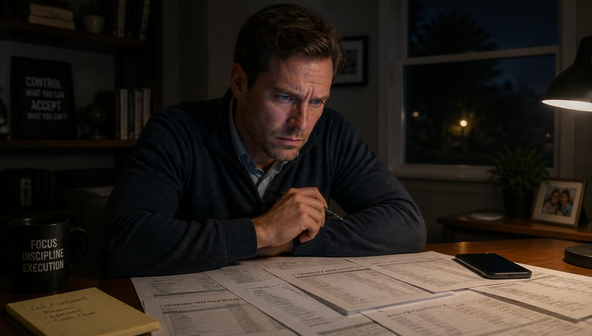
It was different from the first. The formality was gone. What replaced it was the careful, slightly stunned tone of a man who had spent a week looking at his financial accounts and finding things he had not put there.
He did not ask me to fix anything. He did not ask me to confirm anything in his favor. He simply said he was sorry for the way the weekend had gone and that he hoped I was okay. It was insufficient and honest, which is the best combination most people manage under those conditions.
What I Did Not Do
I did not forward his message to Renata.
I did not call Helen or any of the relatives who had weighed in with their versions of events. I did not post anything. I did not tell the story to anyone who did not already have standing to know it.
The silence was deliberate. Not strategic silence, not managed silence. Just the quiet of someone who no longer needed the story to be believed by people who had already chosen not to believe it.
Renata’s Different Call
It came on a Sunday, ten days after the wedding.
No agenda announced at the start of it. That alone was different. Her calls always arrived with a direction, a thing she needed moved or smoothed or decided. This one just began.
She asked if I was eating. It was such a small question. It was the kind of question that meant other questions she did not know how to ask yet. I told her I was. We talked for eleven minutes about nothing consequential and she did not once ask me to do anything. When she hung up, I sat with it. Not warmth. But something that was the shape of a door that had not been closed.
What Remained After the Calls
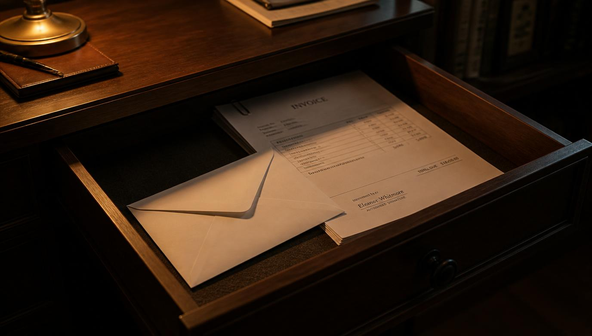
The invoice packet was still on my desk.
I had kept it. Not as evidence, my lawyer had copies of everything relevant. I kept it because it was the object that had made everything undeniable, the moment I stopped carrying the weight of almost-knowing and had to simply know.
I looked at it for a moment. Then I put it in the drawer, not the trash. Some things you keep not because they hurt less over time but because forgetting them costs more.
The Hospitality Group
I called them back on Monday.
The contact was a woman named Sara, direct and unhurried, the kind of professional ease that comes from running something that works.
She described the scope. Three venues, a full calendar, quarterly planning cycles. It was larger than anything I had taken on alone in three years.
I wrote down the numbers and did not flinch at any of them.
What She Asked First
She asked about my approach to vendor relationships.
Not my rates. Not my availability. She wanted to know how I handled situations when a vendor’s trust was compromised mid-event.
I told her the truth. I told her you document, you communicate directly, and you do not ask the vendor to absorb a cost they did not agree to. She was quiet for a moment.
She said that was exactly what she needed to hear.
The Terms
We spoke for forty minutes.
By the end, she had sent a preliminary contract to my email and asked for a response by Wednesday.
I sat with the document open on my screen and felt nothing dramatic. Just the clean, functional satisfaction of work that fit my actual size. Not borrowed credibility. Not someone else’s name on the line. Mine, used correctly, by people who understood what it was worth.
What Wednesday Felt Like
I signed it at nine in the morning.
I sent it back before I made coffee. Then I made the coffee and stood in my kitchen and watched the light move across the counter.
Forty-one years old. Fifteen years of building something real. And this was the first contract I had signed in months where every name on the document was there by choice.
Helen Called
She called Wednesday afternoon.
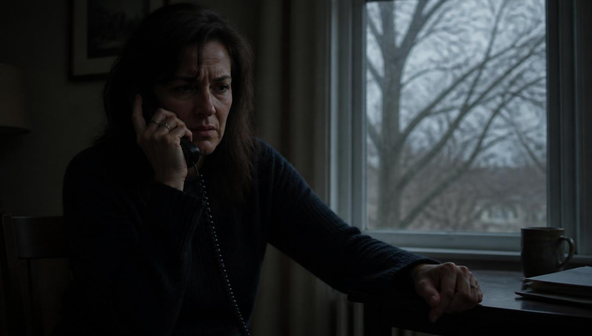
She opened with weather and closed within two sentences on Paige, which was the fastest she had ever moved to the subject.
She said she wanted me to know she had tried to say something. At the wedding. Before things got complicated. She had tried, and she had not, and she knew that.
It was not absolution. But it was honest.
What I Said to Helen

I told her I understood.
Not the accommodating version of that sentence, not the version designed to make her feel better. The actual version.
I told her family systems have a pressure to them, and most people find a way to move with the pressure rather than against it. I had done it myself for forty-one years. Her small failure was familiar to me. That familiarity was not nothing.
The Drawer
I opened it on Thursday evening.
The invoice packet sat exactly where I had placed it, edges still crisp, Paige’s engineering still visible in the prepared signature line.
I did not reread it. I already knew what it said. What I was looking for was something else, whether the sight of it still had the power to collapse the floor under me. It did not. The floor held. That meant something.
What the Drawer Told Me

It told me I had changed in a specific direction.
Not hardened. Not closed. Changed the way a structure changes when you remove a load it was never designed to carry. It straightens. It finds its actual shape.
I closed the drawer. I did not put it in the trash yet. But I thought about it differently now. Less like a wound I was maintaining. More like a record I no longer needed to keep close.
Paige’s Situation
I heard about it through Dominic’s second call, which came three weeks after his first.
He was not asking for anything. He was describing, carefully and with evident effort, the process they were working through. A financial planner. A renegotiation with two vendors. A conversation with his parents that had apparently taken four hours.
He said Paige was finding it hard. I believed him. Hard was exactly what it should be.
What I Felt About That
Not satisfaction. I have to be precise about this.
What I felt was closer to the recognition of correct proportion. That for once the weight of the situation was distributed across the people who had actually created it, rather than quietly redirected to the one person who had always been willing to absorb it.
That is not triumph. It is just what fairness feels like when you have spent long enough without it that the sensation is almost unfamiliar.
Renata’s Second Different Call
She called again on a Friday.
This one lasted longer. She mentioned my father, who had been gone for eleven years, which she almost never did. She said he would have been proud of how I handled my work. That was a careful sentence, a sentence that knew what it was reaching toward without committing to arriving there fully.
I did not fill the silence after it. I let it mean what it meant.
What She Could Not Say Yet
She could not say she had failed me.
She could not say she had spent four decades smoothing surfaces at the cost of the person doing the smoothing. She was not built for that sentence yet, maybe not ever.
But she was calling without an agenda. She was saying my father’s name. She was speaking in the register of a woman who had looked at something squarely for the first time and did not know what to do with what she saw.
That was not enough. It was also not nothing.
The Watch
I had it serviced that month.
The strap was replaced, same dark brown leather, same width, nothing decorative. The mechanism cleaned. When I put it back on my wrist it kept better time than it had in years.
I noticed this more than I expected to. Something worn and functional, maintained rather than replaced, running cleanly now because someone had finally attended to it properly. I did not make more of the metaphor than that. But I did not dismiss it either.
What I Kept
The invoice packet, in the drawer.
The watch on my wrist. The signed contract with Sara’s group in my files. The eleven-sentence message to Paige, unrevised. The four seconds of silence on Gloria Hale’s line.
I kept the memory of standing at the venue entrance in my good clothes, understanding the situation fully and choosing to stay present anyway, choosing to be a person who did not disappear, not on someone else’s timeline.
What I Know Now

I am not the useful sister anymore.
I am not the engine or the safety net or the name someone borrows when they need credibility they have not earned. I am not the person who absorbs the bill for a celebration she was not invited to attend.
I am a forty-one year old woman who is good at her work, precise about her agreements, and no longer available for the version of love that requires her silence as a condition of entry. That is not a small thing to finally hold. It is the most expensive thing I have ever bought, and I paid for it myself.


